
History channel vs. history book: Facts are a casualty of TV's Hatfield-McCoy feud
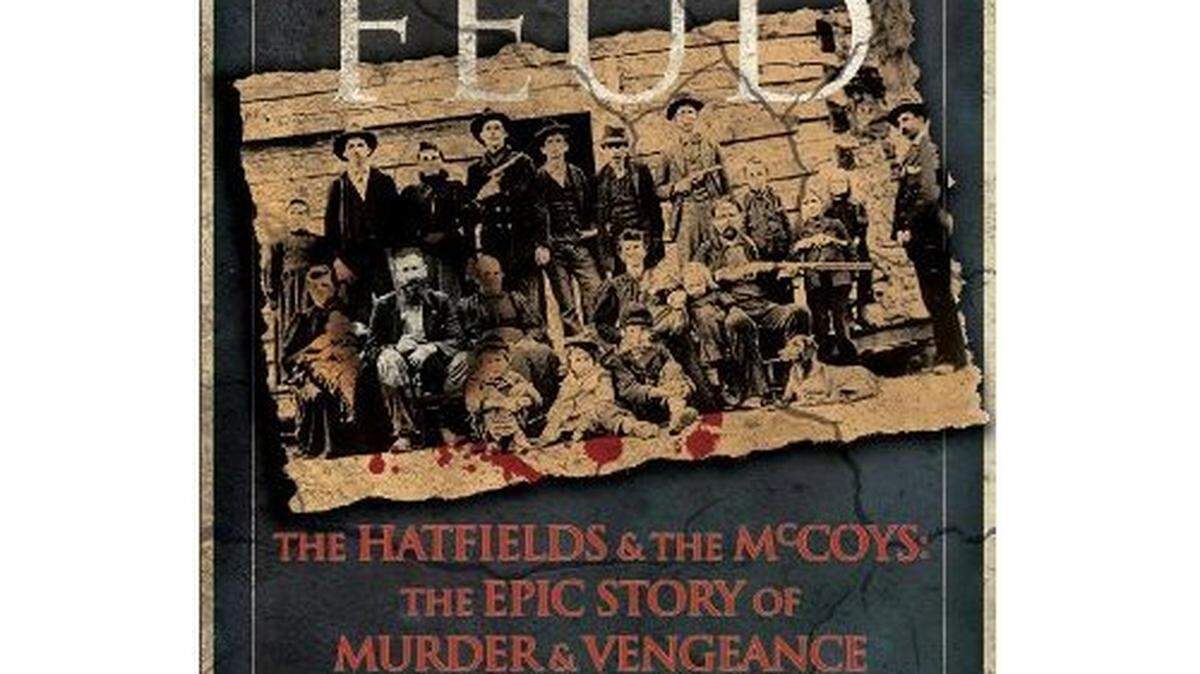
Does the History miniseries Hatfields & McCoys get its feud history right? Well, it's certainly inventive in its interpretation of the fighting, loving, grudge-bearing families and their hangers-on.
Comparing the miniseries with the new book Blood Feud: The Hatfields and the McCoys: The Epic Story of Murder and Vengeance by Lisa Alther, here are a few ways Hatfields & McCoys makes assumptions about the way the ruckus might have unfolded in the name of making TV.
Were Hatfield and McCoy war buddies?
Television: Patriarchs "Devil Anse" Hatfield and Randolph McCoy were Confederate army buddies, covering for each other in the fray.
Book: McCoy was 14 years older than Hatfield and had nine young children. Although Hatfield joined the Confederacy "in a fit of pique," McCoy's wartime activities are not recorded. Alther notes that the McCoy clan is on the whole not as well-documented as the Hatfields, perhaps because so many of its numbers died in the feud.
Were the families Hollywood beautiful?
Television: "Bad Jim" Vance, widely regarded to have begun the hostilities that led to the Hatfield-McCoy feud, looked like Tom Berenger. Hatfield matriarch Levicy Hatfield looked like Sarah Parish, a delicate British actress with fine high cheekbones.
Book: Vance and Hatfield were rugged hill people. Alther's book said Vance "had a condition that made his eyes bulge and roll." Levicy was described by a reporter as the "strongest and most muscular-looking woman I have ever seen (with) intensely black hair, a very broad swarthy face, and a stout, powerful figure."
Who escaped the New Year's Massacre?
Television: Randolph McCoy escaped out the back door alone to shield his family from a Hatfield-sponsored posse that attacked his family's house at the New Year's Massacre, setting it afire. He then ran away, reasoning that the Hatfields would leave his family alone if he were not inside.
Book: The house was already on fire when McCoy escaped with a young grandson and hid out in a haystack or a pigpen. Daughter Alifair, crippled by polio, was in the yard trying to get water when she was shot.
Was McCoy a charismatic leader?
Television: Randolph McCoy had a personal magnetism that drew people to him.
Book: Aside from the attraction held by his wife Sarah, who bore 16 children, McCoy's "nature tended toward gloom. People sought reasons to flee when they saw him coming with his litany of complaints."
How did the feud end?
Television: The feud ended after both sides nobly decided they'd had enough bloodshed and were older, wiser and repentant.
Book: The Kentucky state government, in a burst of effectiveness not seen since, put pressure on the feuders to dial it down so the state could attract outside investment. That investment was in the coal industry.
This story was originally published May 25, 2012 at 11:51 AM with the headline "History channel vs. history book: Facts are a casualty of TV's Hatfield-McCoy feud."