
Champion tree specimens a big part of everyday landscape in Central Kentucky
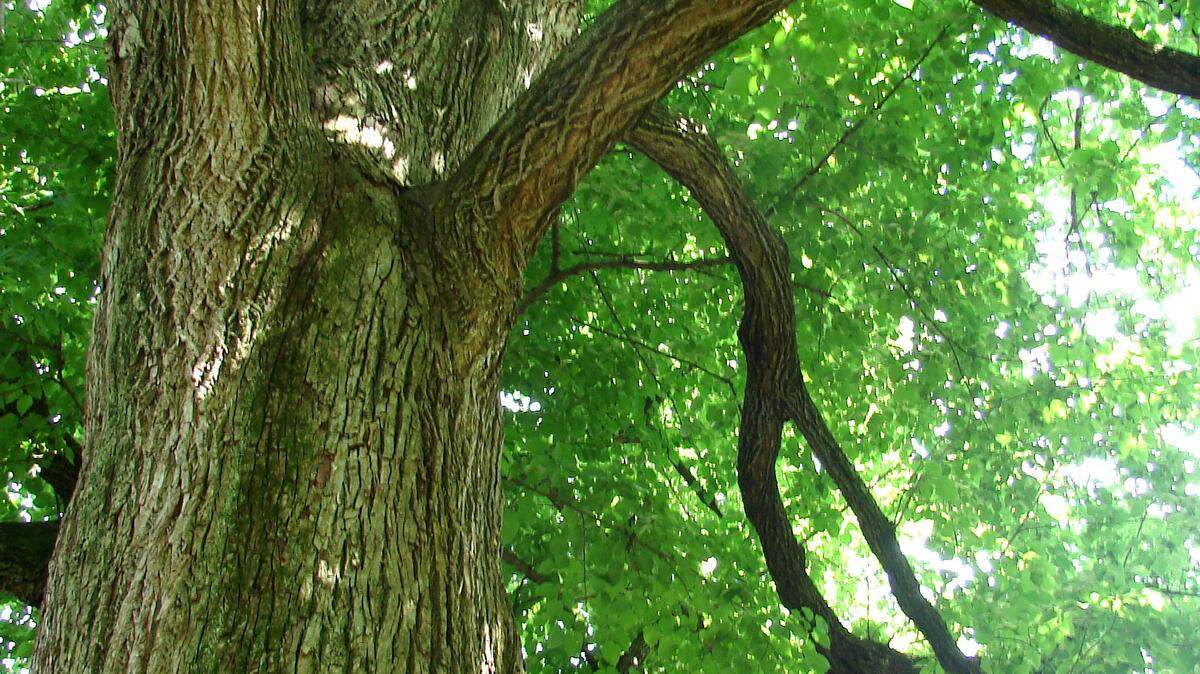
The old saying goes, "Mighty oaks from small acorns grow." Such beginnings are true of all trees, including huge champion trees, all of which sprang from sprouts planted long ago.
In Central Kentucky, we have our share of these noble giants — strong, resilient trees that have stood their ground for centuries, weathering storms and providing sustenance for all sorts of creatures. Many have been recognized for the sizes they have reached and been cherished for their historical presence.
Big trees are registered as champions on the national, state and even county level; foresters and conservation-minded people enjoy and encourage the discovery and nomination of new finds for possible inclusion in the ranks of historic trees.
Lexington arborist Dave Leonard says that some trees, like ancient bur and chinquapin oaks and blue ash, which were part of the Bluegrass savannah woodland ecology during pre-settlement times before the mid-1700s, could live even longer than they typically do. But they have been greatly reduced in numbers by storm and insect damage, and by people when land is cleared and highways are developed.
He references biologist Mary Wharton's remarks, in her 1991 book Bluegrass Land and Life, about counts of surviving bur oak trees visible from Fayette County's public roads. Wharton writes that between a 1950 survey and another she conducted in 1978, the count of ancient bur oaks decreased from 370 to 199. She projected that number might fall to 30 by 2000, but no subsequent survey has been taken.
Where can you find big, old trees? Many are hidden in plain sight, part of the landscape we travel each day.
Beside the Henry Clay monument at Lexington Cemetery is an American basswood that was fully grown in 1860, when the memorial was built. A plaque says the tree was alive when the Declaration of Independence was signed in 1776. With a circumference of more than 21 feet, it is the largest basswood known in the state.
Also at the cemetery, within the part once known as Boswell's Woods, is a cucumber magnolia that is a state champion, plus a shellbark hickory and an American holly that are Fayette County record holders.
On Transylvania University's campus, a tall white ash known as the "Kissing Tree" has been part of the school's lore since before the 1930s. The tree, which Transylvania publications writer and editor Bill Bowden says is estimated to have been planted about 1870, was a place where students were allowed to smooch. It's now surrounded by a bench.
Wayne Bell, who graduated from Transy in 1940, said, "In those days, you did not go around hugging and kissing in public. It was made clear that some things are private."
Bell proposed marriage on the steps of nearby Old Morrison hall, and then, he says, he and his betrothed sealed the deal with a kiss under the tree.
The Bells recently celebrated their 68th wedding anniversary. "It was because of the spell the tree gave," Bell's wife, Virginia, says.
Along Old Paris Pike, Jerry and Charlotte Lundergan have established a parklike private preserve that is home to a surprising grove of well-adapted baldcypress trees. The largest, a state record holder, rises more than 120 feet high and has a girth of more than 27 feet.
A bur oak nearby holds the county record. Owls have been spotted in the trees.
"It is magnificent to have this wonderful space right in the heart of Lexington," Charlotte Lundergan says. "Jerry and I have a little piece of paradise, which is something I want my grandchildren to be able to enjoy."
Farther afield, in front of Old Fort Harrod State Park in Harrodsburg, you can find an enormous osage orange tree that records show was planted in the late 1700s. Because limbs spread across the lawn and there is no central trunk, it cannot be measured as a champion tree, but thousands of children on school field trips who have climbed its branches can attest to its delightful value.
Howard Murphy, a keen tree observer from Woodford County, said that for 40 years he has been driving past a bur oak at Pinckard Pike and Shannon Run Road in front of the old Kaenzig homestead, watching it thrive through ice storms and droughts.
Murphy pointed out another bur oak in Lexington, this one poking through the center of the parking structure behind St. Joseph Office Park at Harrodsburg and Mason Headley roads. Developers built around it, creating an opening through two levels of concrete.
Diana Olszowy, who heads Kentucky's Champion Trees program in the state Division of Forestry, said another such concession is on Paris Pike. Heading north toward Bourbon County, the road veers slightly to the left to accommodate a state champion sugarberry.
Less visible are old chinquapin oaks at Floracliff Nature Sanctuary, founded by Wharton, on the Kentucky River palisades of southern Fayette County. One has been dated to 1611, making it the oldest documented tree in Kentucky, according to Floracliff, and the second-oldest documented chinquapin oak in the world.
Enthusiasts encourage community awareness of trees because valuing old specimens helps to secure their survival. But beyond developing awareness and advocacy, you can plant seedlings to establish your own heritage tree, either by volunteering in public reforestation efforts or selecting a native variety suited for your landscape.
"Big trees in the right place, with enough room around and overhead, can live longer and give back more to the environment and your landscape, paying back their initial cost in about 10 years," Leonard says.
He suggests visiting Treebenefits.org, which estimates the overall financial benefits of various species; just plug in your ZIP code, tree size and type.
This story was originally published June 15, 2012 at 11:38 AM with the headline "Champion tree specimens a big part of everyday landscape in Central Kentucky."