
EPA wrong on coal ash rule
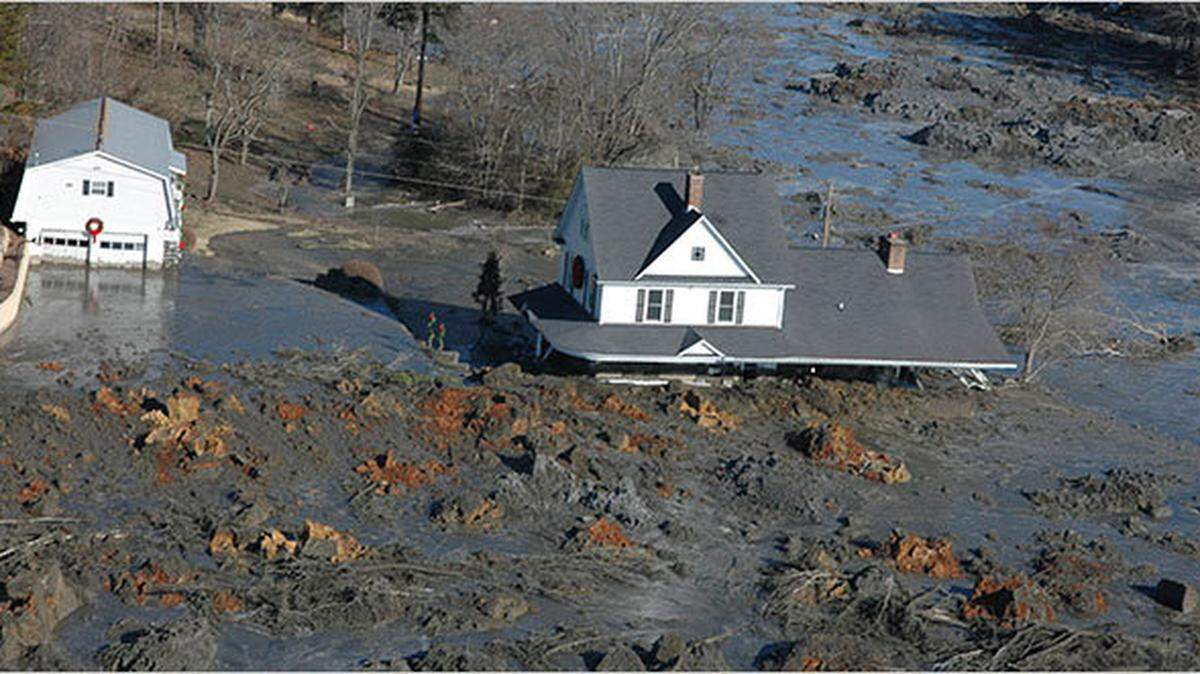
It was Christmas time in 2008 when the wall of a coal combustion waste impoundment pond collapsed, inundating Kingston, Tenn., with over 1 billion gallons of toxic sludge.
Last month, almost six years later, the Environmental Protection Agency released a long-awaited rule on the classification and management of coal combustion waste, or coal ash, the byproduct that results when coal is burned to produce electricity.
The development of the rule involved an extended series of public hearings, a comment period and then a long wait — over two years — to hear how new federal policies would impact the way we manage coal ash. Health advocates hoped for better storage practices, a classification as a toxic waste and federal oversight.
And the verdict is in: Industry will remain in charge of its own practices, which means, without much oversight things may roll on with "business as usual."
Coal ash typically contains some of the world's most dangerous metals: arsenic, lead, mercury, cadmium, selenium, and a host of others that in elevated doses can cause cancer, neurological disorders, lung disease, heart disease, birth defects, kidney failure, asthma and many other health problems.
And yet, the new rule does not classify coal ash as hazardous waste.
Kentucky has 56 ponds, and generates about 9.2 million tons of coal ash annually, ranking fifth in the nation for the amount of coal ash created.
The EPA reports that Kentucky has the most coal ash dams rated "high hazard" in the nation. This means at eight of Kentucky's coal ash dams, if a disaster occurred like the one in Tennessee, it would most likely cost human lives.
The EPA has labeled six of Kentucky's ash dams as a "significant hazard," meaning an accident could cause property or infrastructural damage.
When ponds are leaking, dust is blowing and dams are weak, it's up to power corporations to hold themselves accountable for the risks they create.
Yet with Kentucky's track record, we're more likely to tell the frustrated neighbor that their request for a clean, healthful environment is a "war on coal" and it's downright unpatriotic to make claims that a coal company would do any harm.
If a resident of a community dealing with coal ash blowing onto their front porch is frustrated with that coal ash making a mess they can now ... file a federal lawsuit.
This story was originally published January 5, 2015 at 12:00 AM with the headline "EPA wrong on coal ash rule."