Meat is still scarce in Kentucky stores. And it won’t be getting any better
Since early March, waves of pandemic panic buying have emptied grocery store shelves. Now, with meat processing plants either closing or slowing down, don’t expect things to get a lot better any time soon, experts say.
Smithfield Foods has closed “indefinitely” a South Dakota pork plant that processed five percent of all hogs in the U.S. after hundreds of workers became sick or tested positive for COVID-19; beef processors in Colorado, Pennsylvania, Iowa, Illinois, and Canada shut down at least briefly; and poultry processors in other states have slowed production in an effort to protect workers.
Now ripples from the coronavirus impact on meat processing plants are hitting Kentucky farmers hard.
Some are even underwater: They have raised animals that they can’t sell at a profit any more.
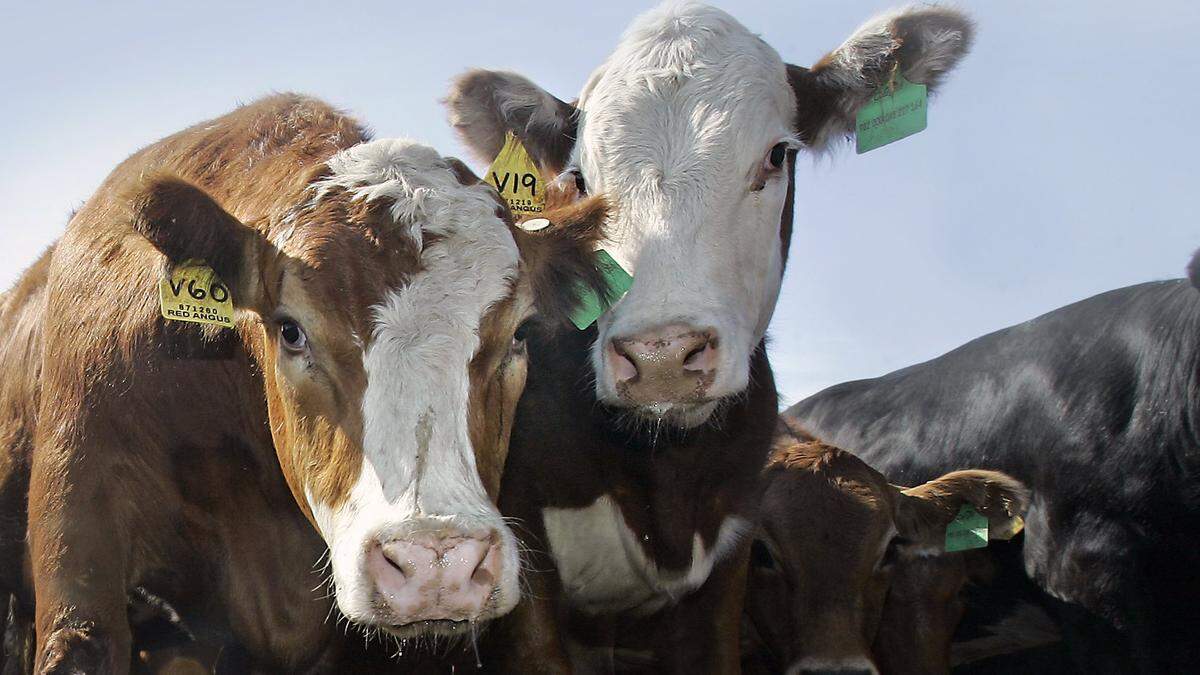
Kenny Burdine, a University of Kentucky agricultural economist who specializes in cattle markets, said that because of the uncertainty and the slowdown in production, prices have dropped 15 to 20 percent from January, depending on the age of the cattle.
“That’s huge,” Burdine said. “Backgrounders who purchased in the fall, fed in winter, and have cattle to sell in the spring — they’re going to lose money on those cattle.”
Hog farmers are in a similar situation with dramatically falling prices and slaughterhouse bottlenecks, he said.
Kentucky is the biggest beef state east of the Mississippi, and typically spring is when many farmers sell cattle for the capital to invest in seeds and fertilizer for the summer crops, said Kentucky Agriculture Commissioner Ryan Quarles. That could have a long-term impact on farm income and on the food supply.
The pandemic “is testing the food supply system,” Quarles said. “I think the closing of large processing plants is a legitimate concern at this point. But it would take several more body blows to really disrupt the American food system.”
Still, Quarles asked U.S. Agriculture Secretary Sonny Perdue on Friday to keep an eye on grocery prices.
“My state stands to suffer significant losses because of this pandemic,” Quarles wrote to Perdue. “I also share the concerns raised by Kentucky producers regarding suspect disparities in the price of beef on the farm level and at the grocery store. I encourage the U.S. Department of Agriculture (USDA) to continue keeping a watchful eye on the price of meat at retail and losses suffered on the farm level.”
Bourbon County cattle farmer John Sparks estimates he took about a $25,000 loss on about 250 head of cattle he sold recently, and knows some farmers who have lost three times as much per head.
“The packing industry is a big funnel, all these cattle are going to end up going to the processing plant,” he said. And while prices paid to farmers have been dropping, prices charged to stores like Kroger have been going up, he said,
“We need to figure out how to make those plants run no matter what,” he said. Processors were projecting about a 20 percent drop in the meat supply this week, he said. “That will definitely have an impact on the consumer in the market.”
And the impact is far from over. Burdine said that as the remaining slaughter plants in operation slow down to spread workers out, the system will develop a backlog that will take quite a while to work through.
“In my opinion it’s impacted all aspects of the market,” Burdine said. “I think it will have impact on fall, too.”
That means less meat coming out of processing plants. But if workers can stay healthy, the plants will stay open.
Kentucky has already had one processing plant close briefly: The Keystone chicken processing plant in Albany in Clinton County closed for one day earlier this month after a worker tested positive for COVID-19. The plant has since reopened.
Jordan Shockley, UK agricultural economics poultry expert, said that Kentucky poultry processors have implemented changes to make the plants safer and are looking at slowing down production here as well.
“At this point, not aware of any direct impacts yet to producers,” he said.
But with all the restaurants closed, shouldn’t there be more meat in stores instead of less?
Plants are shifting from producing for restaurants to packaging for grocery stores, he said, which can take time. But eventually that will mean more meat for home consumption.
“The meat that was going to food service is getting diverted back to retail,” Shockley said. “But there is lumpiness in the supply chain.”
This story was originally published April 17, 2020 at 5:31 PM with the headline "Meat is still scarce in Kentucky stores. And it won’t be getting any better."