Roy Thomas, who succeeded Stan Lee at Marvel, coming to Lexington Comic Con
AI-generated summary reviewed by our newsroom.
- Hired by Stan Lee in 1965, Roy Thomas became Marvel’s editor-in-chief in the 1970s.
- Thomas helped create major characters and wrote Avengers, X-Men and Dr. Strange.
- Thomas will be a guest March 28 and March 29 at the Lexington Comic & Toy Convention.
Stan Lee had been running Marvel Comics for 24 years — writing and editing most of its comic books by himself — when he hired Roy Thomas as his much-needed assistant in 1965.
Thomas, a Missouri high school English teacher, was the right man for the job. He was deeply involved in the nascent world of comics fandom, editing a fan magazine called “Alter Ego” and sending a stream of letters each month to Marvel and its chief rival, DC, to share his opinions about their colorful superhero stories.
Lee quickly slid much of his workload onto “Roy the Boy,” as he nicknamed his new right-hand man. Thomas started writing now-iconic Marvel titles like “The Avengers,” “The X-Men” and “Dr. Strange.”
“For the most part, I knew that I had been hired to write like Stan Lee,” recalled Thomas, who is now 85, in a recent phone interview with the Herald-Leader from his home in South Carolina.
“I mean, he didn’t insist on it,” Thomas said. “But whatever I wrote that first year that wasn’t much like Stan Lee, he changed it. And it was only gradually he got used to the idea that, you know, I could be a little less like him. If I covered the basics, the human aspects, the various plot twists and the kinds of things he wanted.”
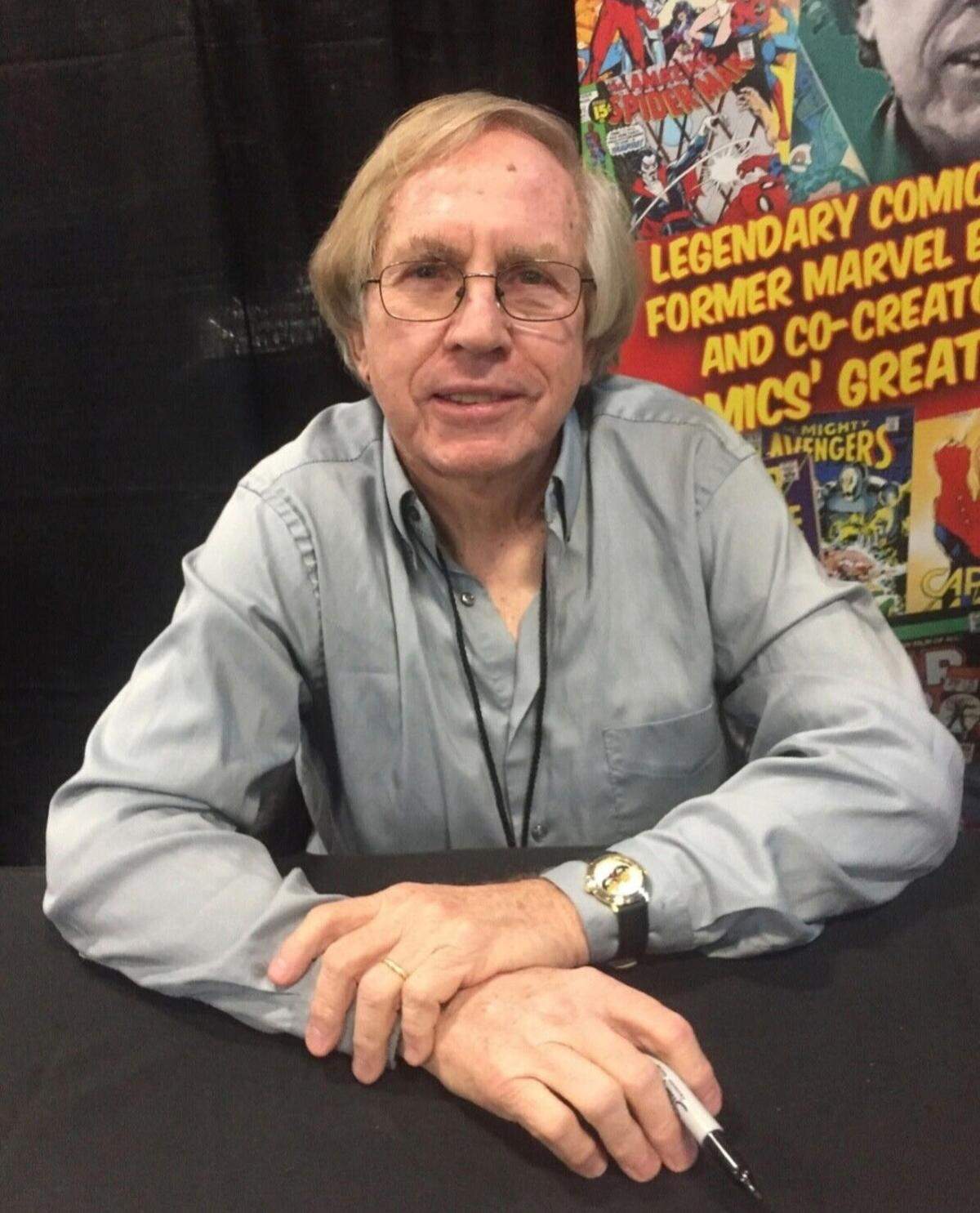
Eventually, Lee told Marvel production manager Sol Brodsky that he only needed to see the first and last pages of the comics Thomas wrote before they went to the printing presses.
“Stan said, ‘If those two pages are OK, I’ll assume the stuff in the middle is OK, too.’ And then we got along well, most of the time, for the rest of our lives,” Thomas said.
Thomas will be a featured comics industry guest March 28 and 29 at this year’s Lexington Comic and Toy Convention in downtown Lexington’s Central Bank Center.
Other comics industry guests appearing at the convention, which begins March 26, include Laura and Mike Allred, Pat Broderick, Howard Chaykin, Bob Hall, Scott Hanna, Larry Houston, Jamal Igle, Jae Lee, Ron Marz and David Michelinie.
As Thomas found his groove writing for Marvel, he helped create a slew of heroes and villains later made famous by their appearances in Marvel movies and television series, such as The Vision, Ultron, Carol Danvers (Captain Marvel, played by Brie Larson onscreen), Luke Cage, Ghost Rider and the Red Guardian (the gruff, bumbling Russian hilariously portrayed by David Harbour in the films “Black Widow” and “Thunderbolts*.”)
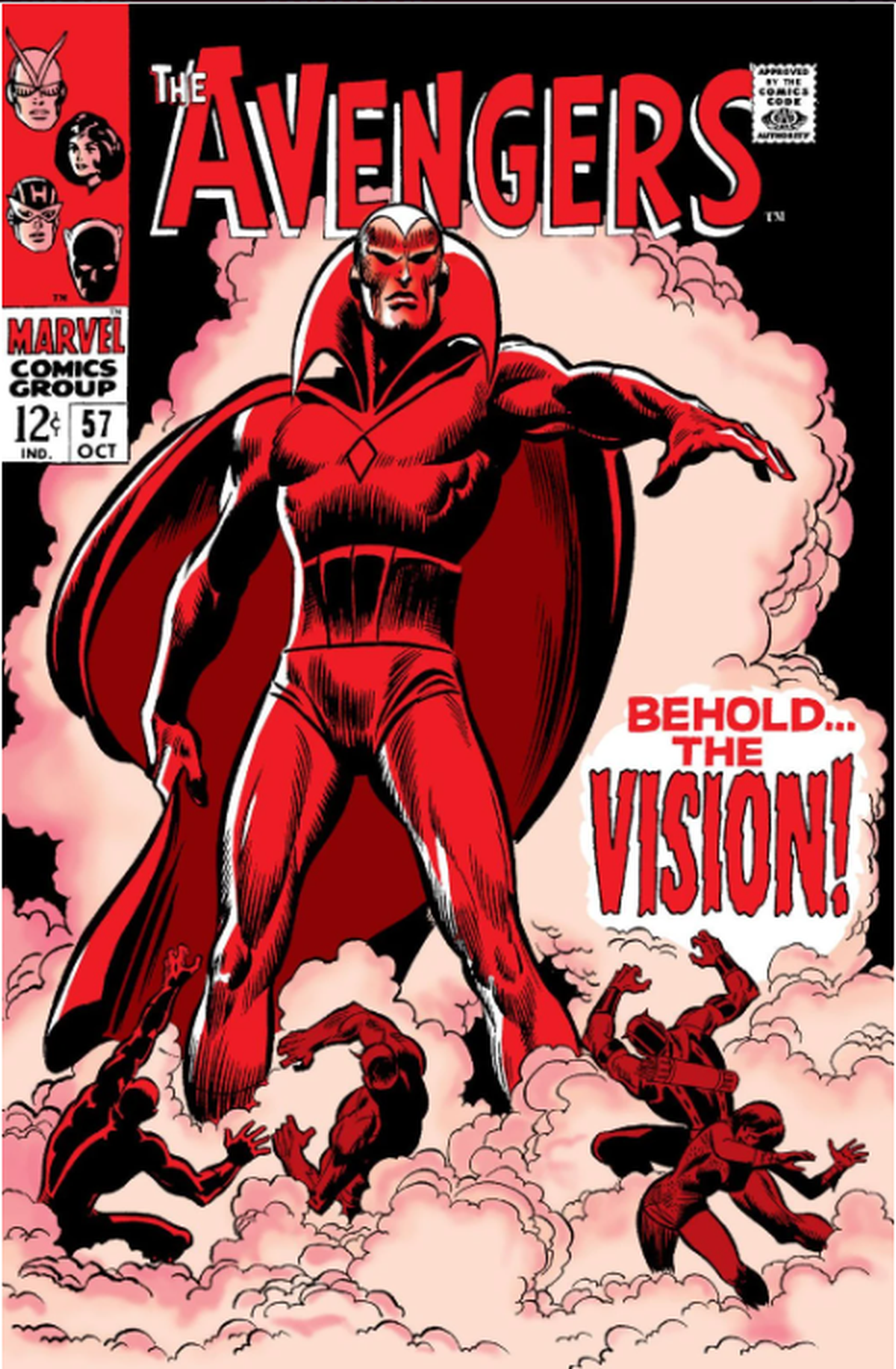
Thomas admired the short, punchy stories that Lee produced with his star artists, Jack Kirby and Steve Ditko. But he wanted to tell longer epics that explored Marvel’s emerging “continuity” — the relationships between and shared history of the company’s characters that, in a few cases, stretched back to 1940.
His most influential work in this vein was the nine-issue “Kree-Skrull War” that ran in “The Avengers” through part of 1971 and 1972. Thomas threw Marvel’s leading superhero team into the middle of a sprawling interstellar battle between two alien races. More than 50 years later, the story is regularly reprinted in book collections.
Much of the explosive art in “Kree-Skrull War” came from another young hotshot breaking into comics at that time, photorealistic illustrator Neal Adams, who was a guest at the 2016 Lexington Comic and Toy Convention.
Thomas and other new writers and artists suddenly were dropping modern references — fashion, movies, music, cars, slang — into comics that had been produced by the same aging men since the comics industry began in the Great Depression.
Kids browsing the spinner racks each week noticed the shift.
“Well, I think we just changed things because we were younger — I was 18 years younger than Stan — and automatically, every generation has at least a little different attitude from the one before it,” Thomas said. “Just the same way I’m several generations behind where people are now, and I can’t relate to them.”
In the early 1970s, Lee was promoted to publisher of Marvel as he eased into the role of celebrity figurehead. Thomas succeeded Lee as editor-in-chief.
Around this time, Thomas helped Marvel secure the rights to publish a comic book adaptation of “Conan the Barbarian,” based on the pulp stories of Robert E. Howard. The sword-and-sorcery tales proved a huge success. Thomas wound up writing hundreds of “Conan” comics over the next 55 years and contributed to the story for the 1984 movie “Conan the Destroyer,” starring Arnold Schwarzenegger.
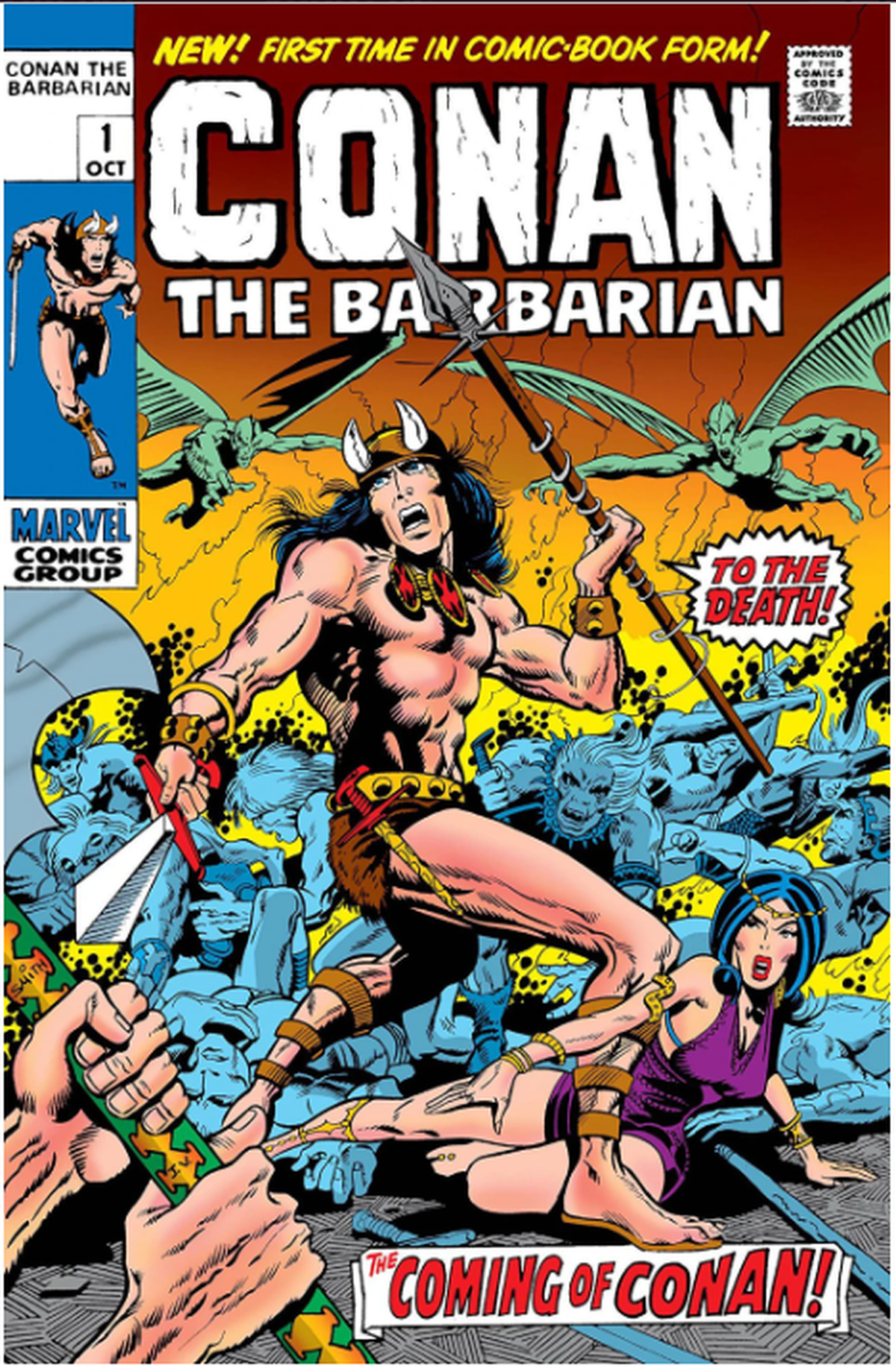
“He’s just a great character,” Thomas said. “Conan was a hero, but he wasn’t particularly noble. He had a certain rough gallantry toward women. And he had a big sense of right and wrong, but he could lean toward the wrong as long as it didn’t hurt too many people.”
“As a result, he was somebody the reader could identify with,” he added. “They said, ‘If I was a great warrior, I wouldn’t necessarily go around saying I’ve got to do good all the time. I would be out to make a buck and work my way up from being a thief to being a pirate to eventually being a king.’ And that was Conan’s story.”
In the early 1980s, Thomas jumped from Marvel to DC, publisher of “Superman,” “Batman” and “Wonder Woman.” He wanted to realize his childhood dream of playing with DC’s so-called “Golden Age” heroes that he loved reading as a kid around the time of World War II, especially comics’ first super-team, the Justice Society of America.
That’s what Thomas did with comics like “All-Star Squadron,” which encompassed all of DC’s 1940s heroes, set in wartime, and “Infinity Inc.”, a spinoff about the modern-day grown children of the Justice Society.
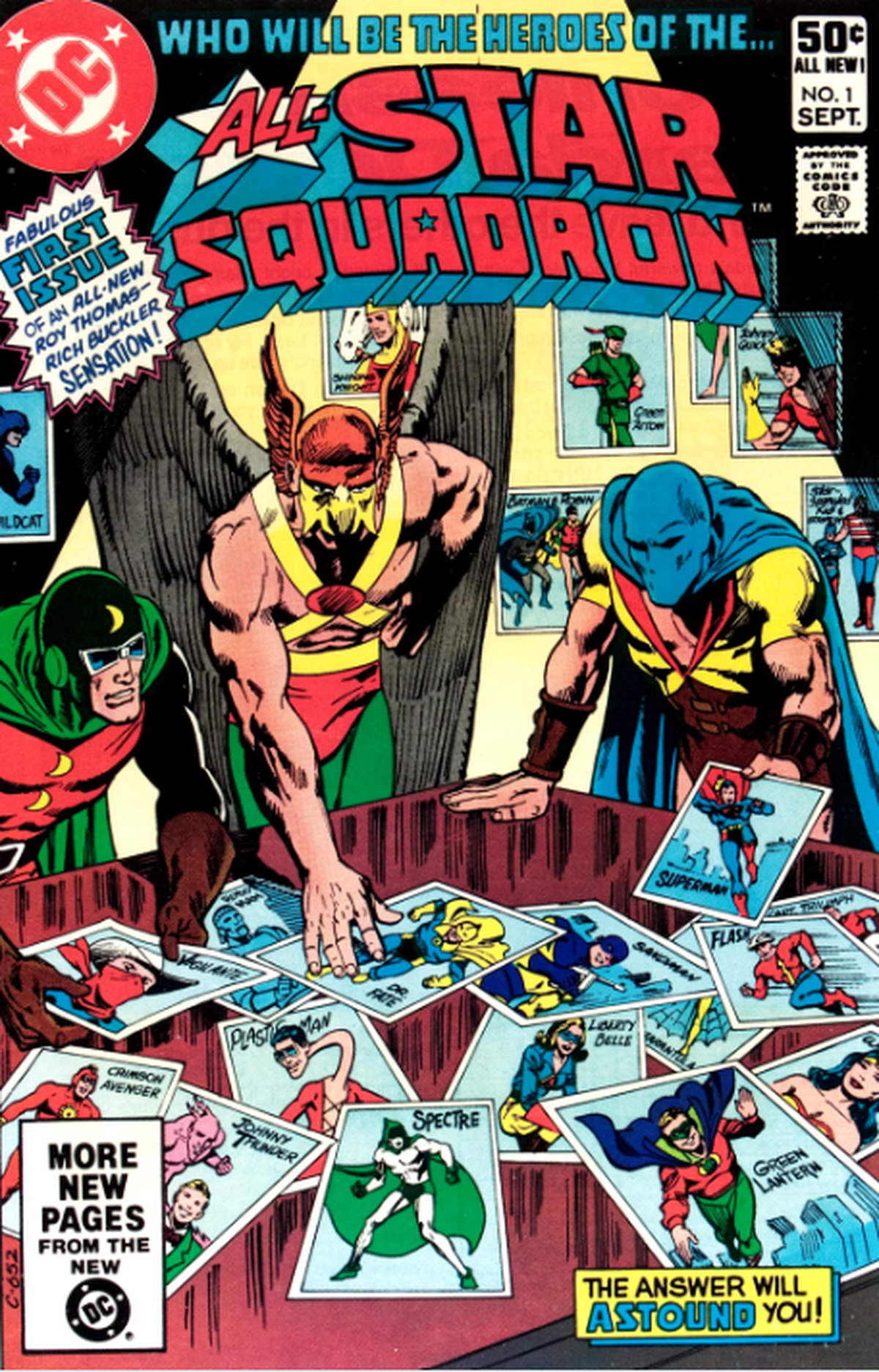
Unfortunately for him, DC celebrated its 50th anniversary in 1985 with a mini-series called “Crisis on Infinite Earths.” Crisis streamlined the company’s sometimes messy continuity by erasing most of the vintage material Thomas used in his titles. The Justice Society, for example, was exiled to oblivion, retroactively erased from DC history.
“They destroyed it all with ‘Crisis on Infinite Earths,’” Thomas said, sounding just as irritated 40 years later.
“The comic I most enjoyed writing in my life was ‘All-Star Squadron,’ which was a lot like a Marvel comic, but it was written for DC and using their characters,” he said.
“I don’t think I ever had the idea that a comic set in World War II was likely to be the biggest hit with the kids. But it sold pretty well, especially the first couple of years. It lasted for 67 issues and three annuals, which was a long time in that age, and it would have gone on longer if it wasn’t for ‘Crisis.’ That was a period when a lot of stuff got canceled fast.”
Although he’s well into retirement age, Thomas still keeps busy writing comics, attending conventions and editing “Alter Ego,” which is now a slick magazine that explores the history of the comic book industry. Plus, he’s writing his memoirs, the first volume of which is due in stores later this year.
He also reminisces fondly about his mentor Stan Lee, whom he was able to visit in 2018 just two days before Lee died at the age of 95.
“Stan Lee always said that when he offered me that job as his assistant, it saved his life,” Thomas said.
“But he’s the one who really saved mine. He’d have found another Roy Thomas somewhere. He’d have found another guy to do his work and to carry on, somebody who’d be worse than me in some ways and better than me in other ways. But I’d never have found another Stan Lee because there just weren’t other guys like that.”
Lexington Comic and Toy Convention 2026
When: 6-10 p.m. Thursday, March 26; Noon-8 p.m. Friday, March 27; 10 a.m.-7 p.m. Saturday, March 28; 10 a.m.-4 p.m. Sunday, March 29.
Where: Central Bank Center, 430 W. Vine St.
Parking: Credit card only at Rupp Arena parking lot; Event organizers say there are more than 10,000 parking spaces available within a 10-minute walk of Central Bank Center
Tickets: $25-$250; Kids 10 and under are free for all days
Online: lexingtoncomiccon.com
This story was originally published March 25, 2026 at 10:00 AM.