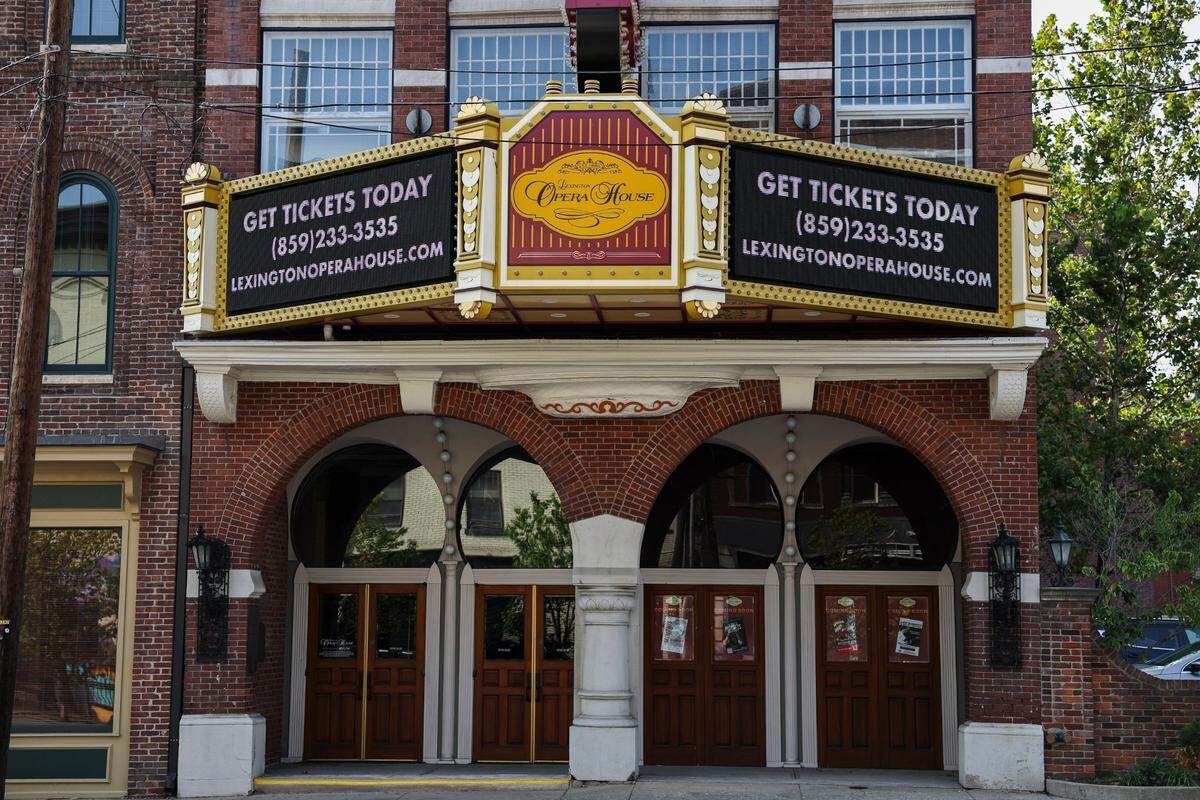
How the Lexington Opera House was saved from the wrecking ball 50 years ago
It was 1973, and Linda Carey had been living in Lexington for years, but she’d never heard of the Lexington Opera House.
Then one day she opened the Lexington Leader, and, she recalled, “there was a little blurb, probably an inch by 2 inches, that said, ‘Lexington Opera House condemned.’”
The fire marshal had condemned the building, but the right person had learned about it just in time.
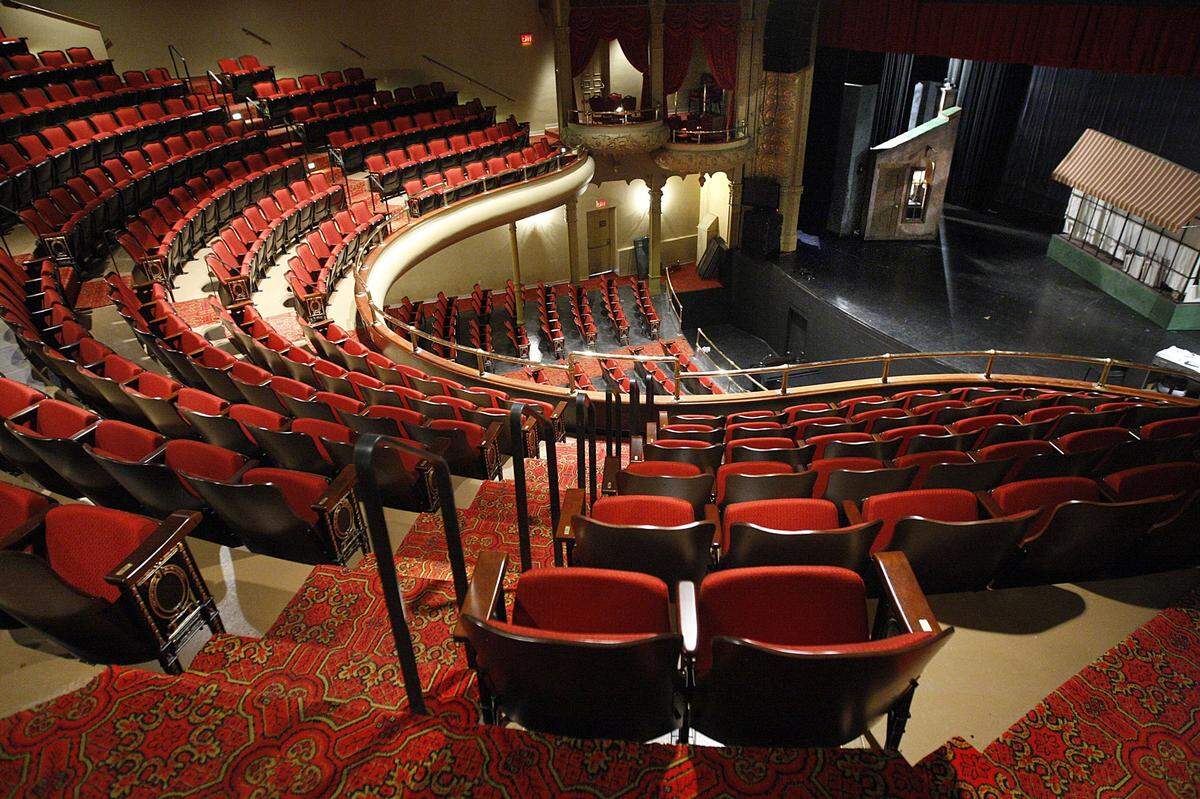
This year, the Lexington Opera House is celebrating its 140th anniversary — and the 50th anniversary of its restoration.
Over the past five decades, it has hosted touring Broadway shows, local performing arts groups and entertainers ranging from Carol Channing to Sturgill Simpson.
Beginning on Sunday, when Bernadette Peters will perform, the Lexington Opera House will kick off a week-long Bravoh! celebration honoring its history.
Other events include a Local Arts Spotlight show on Wednesday and a Symphony of Sound performance on Friday by the Lexington Philharmonic and Lexington Singers, featuring guest artist Tessa Lark.
But were it not for Carey setting things in motion, the Lexington Opera House would likely have been demolished.
“It was really a community effort, but were it not for Linda and her vision and ability to rally people ... it might never have happened,” said Sheila Kenny, who served as marketing director for the opera house for years and is helping coordinate its anniversary celebration.
The day she saw that newspaper item heralding the end of the opera house, Carey said she asked her husband George Carey III about it when he got home from work.
Had he ever been to the Lexington Opera House?
George Carey, who had grown up in Lexington in the 1940s and 50s and who has since died, had been there as a kid.
“He said, ‘My parents didn’t want me to go down there. We would watch a B movie or a western, but we’d hold our feet up, because there were rats running around,’” Linda Carey recalled.
The next day, Linda Carey, who had recently been appointed to the Lexington Center Corp. board, drove down to Broadway and found the building for herself.
Then she called then-Mayor Foster Pettit, who helped connect her to the building’s owner.
A storied history and disrepair
The Lexington Opera House had opened in 1887, and in its heyday had hosted operas and plays, burlesques and minstrel shows.
Fred Astaire, Will Rogers and W.C. Fields performed there, as did Ethel, Lionel and John Barrymore, according to research by Kevin Dearinger, who has written a book about the history of the opera house.
Paul Laurence Dunbar read from his work there in 1899, and Booker T. Washington spoke on race relations there in 1902, according to the opera house’s program celebrating its anniversary.
But by the time Linda Carey came along, the Lexington Opera House no longer hosted live shows and had been a tired old movie house for about four decades.
She arranged a group tour with some local folks who were interested in theater.
“It was just awful,” she said in an interview. “It was dirty.”
A ceiling had been installed on the first floor, so “from there on up, it was open to pigeons,” and the previously well-appointed boxes had been boarded over.
But from the second floor, Carey said they could see what was left of the plaster ornamentation on the tops of the boxes and the top of the proscenium arch.
Backstage, the peeling posters from years gone by advertised appearances by Harry Houdini and Helen Hayes, who as a child performed at the opera house in “Pollyanna.”
Carey, who grew up in Paducah, said she had “always loved theater and performing,” and she had been saddened to see many historic buildings torn down in her hometown.
“It just, I guess, appealed to my romantic side,” she said of the opera house.
And Carey said everyone with her that day agreed, the place had potential.
Buying the property
Carey went back to the Lexington Center Board and proposed buying it.
“They looked at me like I was crazy,” Carey recalled.
Everyone, that is, except Lexington entrepreneur, horseman and philanthropist William T. Young.
“He remembered having gone there as a kid,” Carey said.
She said several more board members, including Chairman Jake Graves, got on board, and the Lexington Center Corp. board decided to purchase the opera house.
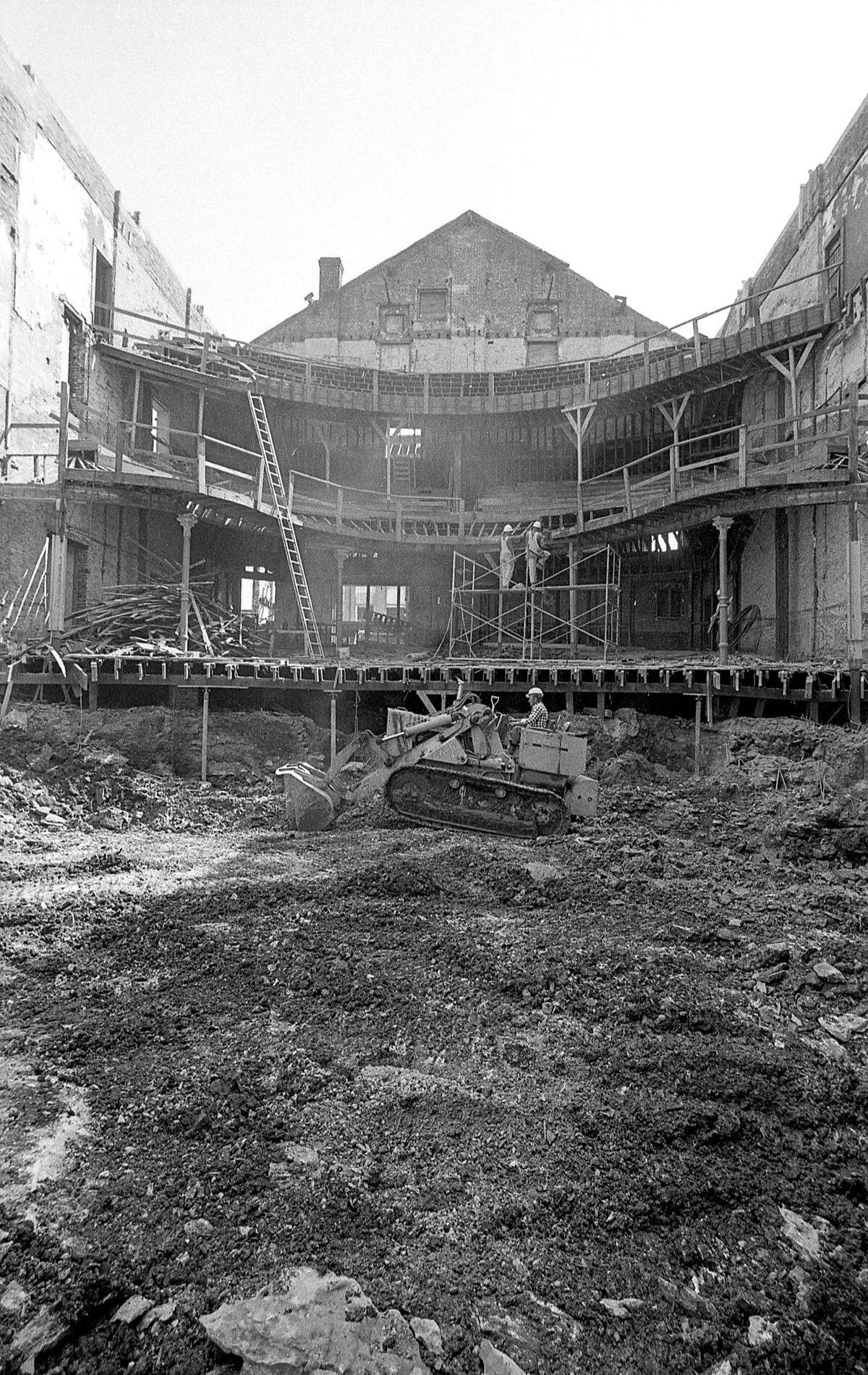
“We bought it through the city,” she said, “and shortly after, the roof fell in. It became a reconstruction, not a renovation.”
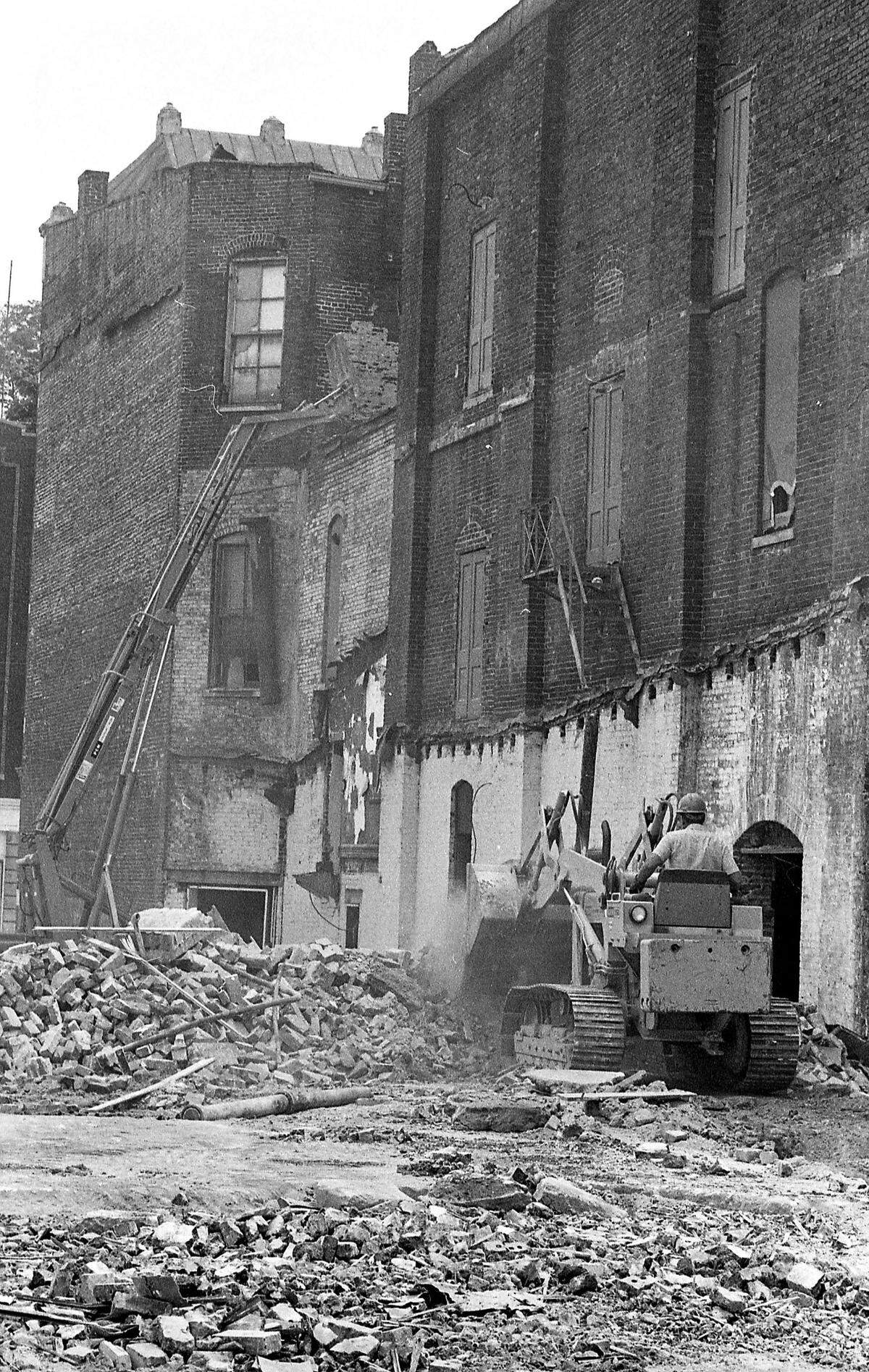
The opera house reopened to the public in 1976.
The Lexington Opera House Fund
Carey and her late husband also helped ensure the future of the property and its service to the community by working with Jim Host and others to form the nonprofit Lexington Opera House Fund.
The organization’s funding has underwritten touring Broadway shows at the opera house, provided subsidies enabling local arts groups to perform there and paid for improvements to the property.
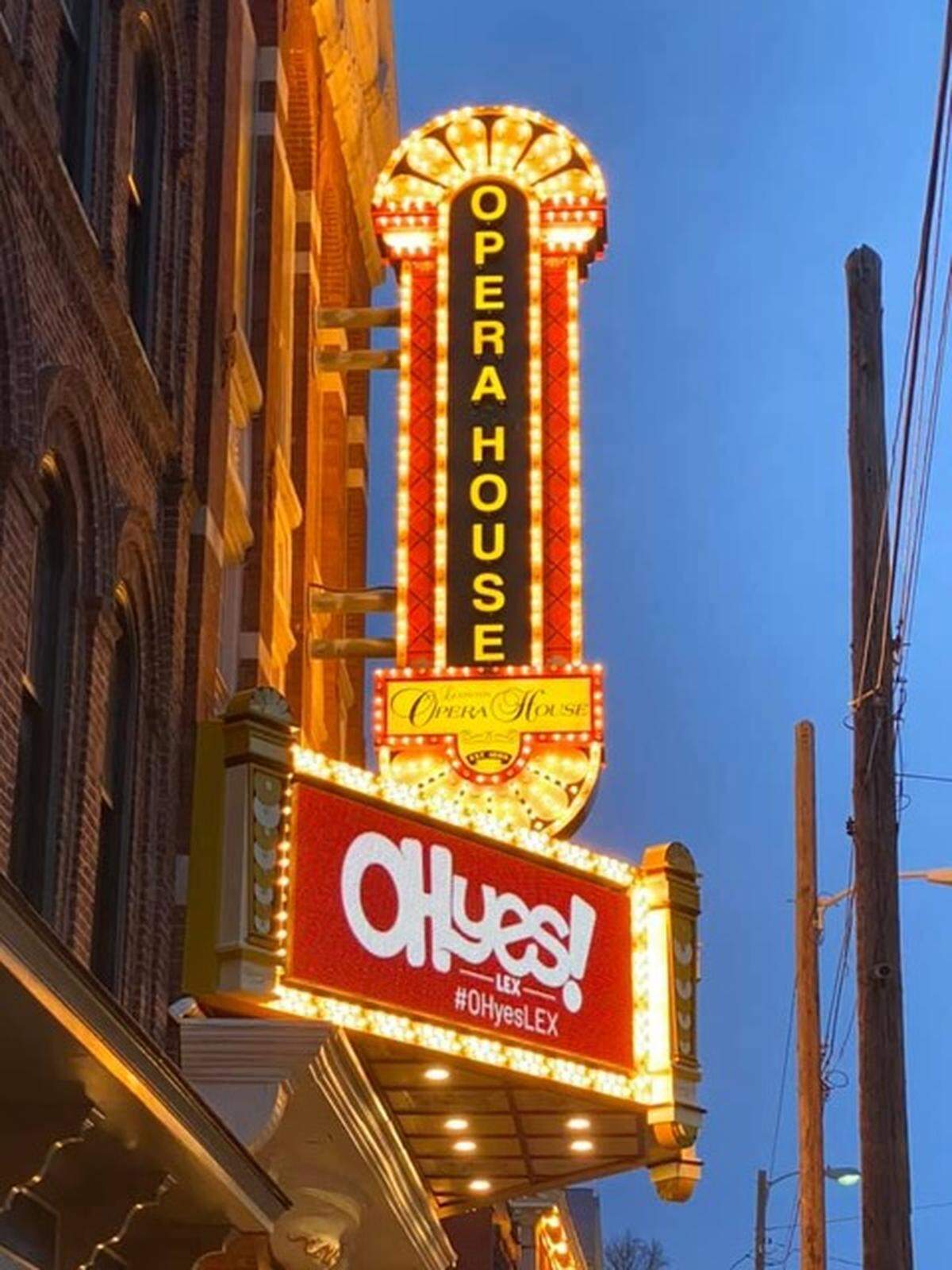
Carey loves that people still dress up to go to the opera house, that she gets to overhear them commenting on the grandeur of its interior and that schoolkids can attend Broadway shows there and learn theater etiquette through the Broadway Buddies program.
She wants people to get that same feeling she did as a child, when her parents took her to shows in St. Louis.
“We’re trying to create an experience that reflects all the artistic creativity in our community,” she said. “The fund has grown, and I think it’s going to be around for a long time.”
Carey, 84, still serves on the board for the fund.
“I feel very protective about the opera house,” she said. “I just hope that when I’m gone, the opera house will continue to exist ... and the popularity of the arts will continue to grow.”