
Set of new John Coltrane tunes, ‘like a postcard that fell behind the furniture’
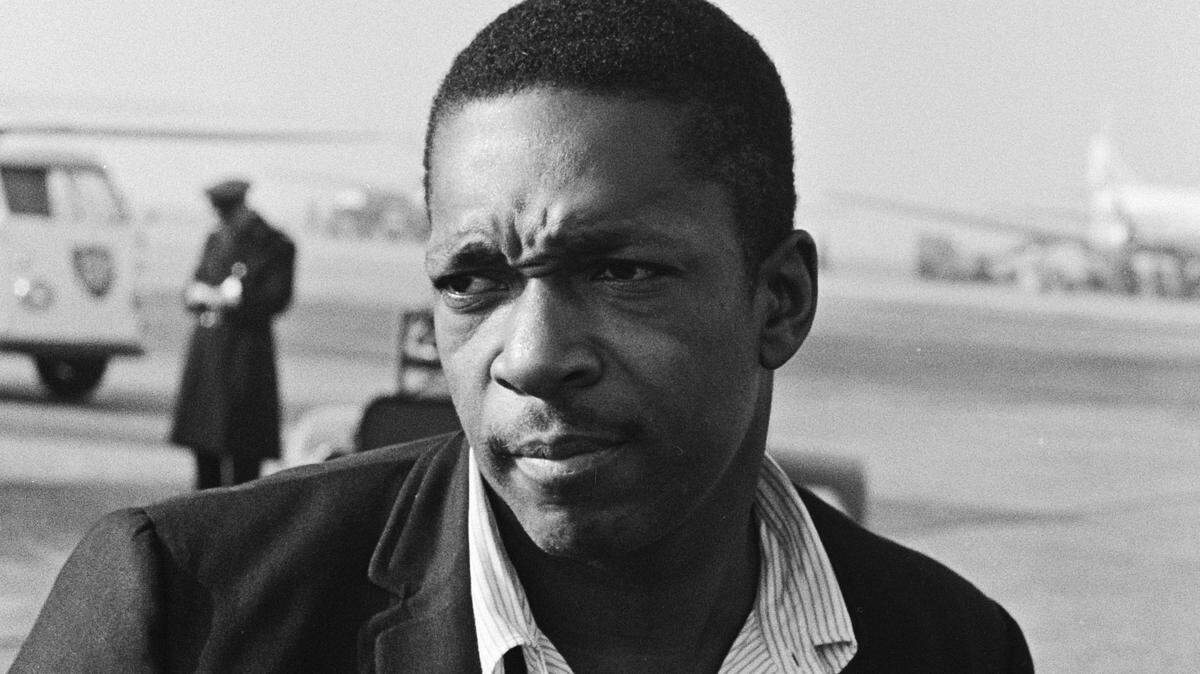
It’s understandable to greet the arrival of a “lost” John Coltrane album nearly 51 years after the jazz titan’s death with ample skepticism.
The larger the inspirational shadow any iconic artist casts, the more curious one can’t help becoming when an undocumented artifact from the past surfaces. Yet lost is exactly what the music in this collection has been. It has now been unearthed and released in single and double disc formats as “Both Directions at Once.”
Cut by Coltrane’s classic quartet lineup (completed by pianist McCoy Tyner, bassist Jimmy Garrison and drummer Elvin Jones) in March 1963, these were recordings, it seems, that have been on no one’s radar — at least, not after Impulse Records destroyed the master tapes to make room for storage space (huh?). But a surviving copy found its way to Coltrane’s first wife, Naima, and surfaced during an estate sale. Impulse Records won possession of the tapes, hired son Ravi Coltrane to help oversee an official release and asked one of the last great saxophone contemporaries of the elder Coltrane, Sonny Rollins, to write the liner notes.
Presto: 55 years after being recorded, a new set of Coltrane tunes has been released to the world.
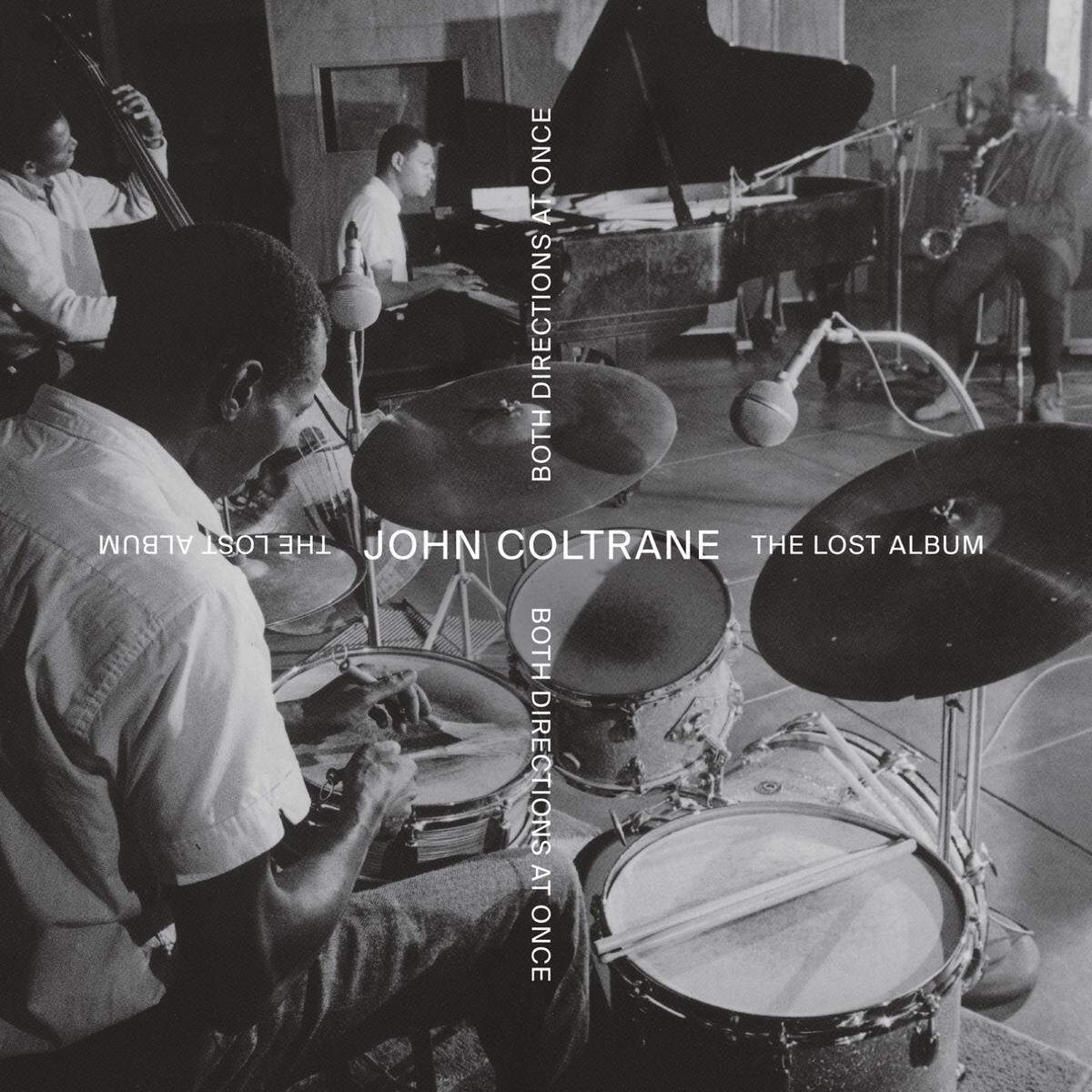
One final word as to the specifics of the material: The single disc edition consists of seven tracks, two of which are so completely undocumented that only catalog numbers from the original Rudy Van Gelder-engineered sessions serve as titles. The double disc version includes alternate takes of those tracks that are remarkably revealing (especially, takes of “Impressions” performed both as a slower, boppish joyride and as a slightly coarser trio workout minus Tyner). There is only a three or four dollar price tag difference between the two editions, so opt for the “Deluxe” double disc set.
History is seldom this affordable. What we hear isn’t so much revealing as it is rewarding. Coltrane, at this time, was a tireless improviser whose solos throughout “Both Directions” stretch in gorgeous, elongated passages (especially on tenor saxophone) that alternately tense up and relax with his mood. But the full quartet sounds golden, as well, especially on the 11 minute “Slow Blues” that highlights not only the more patient sense of exploration Coltrane could employ on tenor, but the gorgeously confident stride that rhythmic monsters like Tyner and Jones could maintain. Such clarity is enforced on two takes of “Untitled Original 11386,” which Coltrane tugs at gently over the quartet’s luscious but spacious swing.
The two albums after these sessions, “Crescent” and “A Love Supreme,” would cement Coltrane’s greatness. Then came a personnel shift and a dramatic leap into the improvisational unknown before the saxophonist’s death in 1967. “Both Directions At Once,” then, is like a postcard that fell behind the furniture, sight unseen, after its arrival. Now rediscovered and dusted off, this glimpse of Coltrane’s brilliant past is as robustly colorful and vital as the day it was sent.