
Rock not aged: Three of 1968’s biggest albums still sound vital today.
The year: 1968.
Richard Nixon was elected President. Martin Luther King and Robert Kennedy were assassinated. The Tet Offensive escalated the Vietnam War. The Democratic National Convention dissolved into chaos and riot. Despite the passing of the Civil Rights Act, a rift of racial and social equality widened.
Popular music, when not designed as a means of pure entertainment, reflected the times as well as the obvious turbulence surrounding them. The impact of the music created that year is being underscored during the final months of 2018 for a simple and, curiously, marketable, reason — nostalgia. We are nearing the close of the 50th anniversary of 1968.
How important a year was it for the development of contemporary music? Well, let’s list the reasons. Among the groundbreaking works released in 1968 included The Band’s historic debut “Music from Big Pink,” Van Morrison’s Celtic soul meditation “Astral Weeks,” Cream’s blues-rock manifesto “Wheels of Fire,” The Kinks’ steadfastly British “The Kinks are the Village Green Preservation Society,” The Byrds’ progressive country sojurn “Sweetheart of the Rodeo” as well as essential works by The Velvet Underground, Spirit, Otis Redding (posthumously), Johnny Cash, The Grateful Dead, The Doors and Simon & Garfunkel.
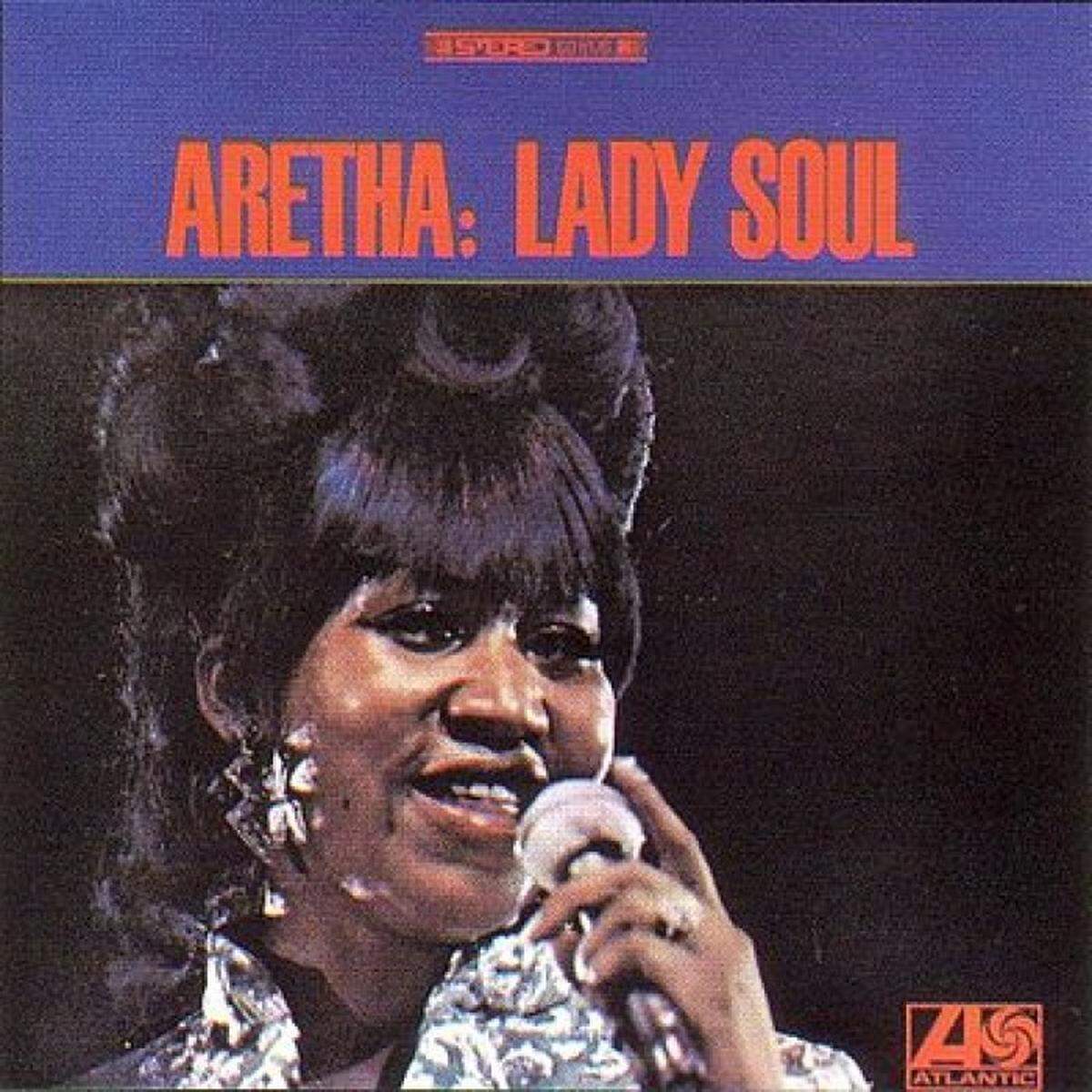
There was also, in January, the album that came to define the role of women not just in R&aB but in all areas of pop. It featured, as the last song on its first side, a heartbreaking yet empowering cover of a tune written by another woman who had already helped mold the music of the day: Carole King’s “(You Make Me Feel Like) A Natural Woman.”
The album was “Lady Soul.” The artist was Aretha Franklin, who left us in August.
What brings the music and mood of a half-century ago back to the surface as 2018 winds down are reissues of three albums by the most rightly heralded artists of the day, all of which surfaced initially during the final three months of 1968. Nostalgia and, yes, the drive to make a little cash, undoubtedly helped shift the spotlight to this music again in 2018. But after spending a weekend happily indulging in these reissues, the urgency and the invention of these sessions has not, in any way, diminished.
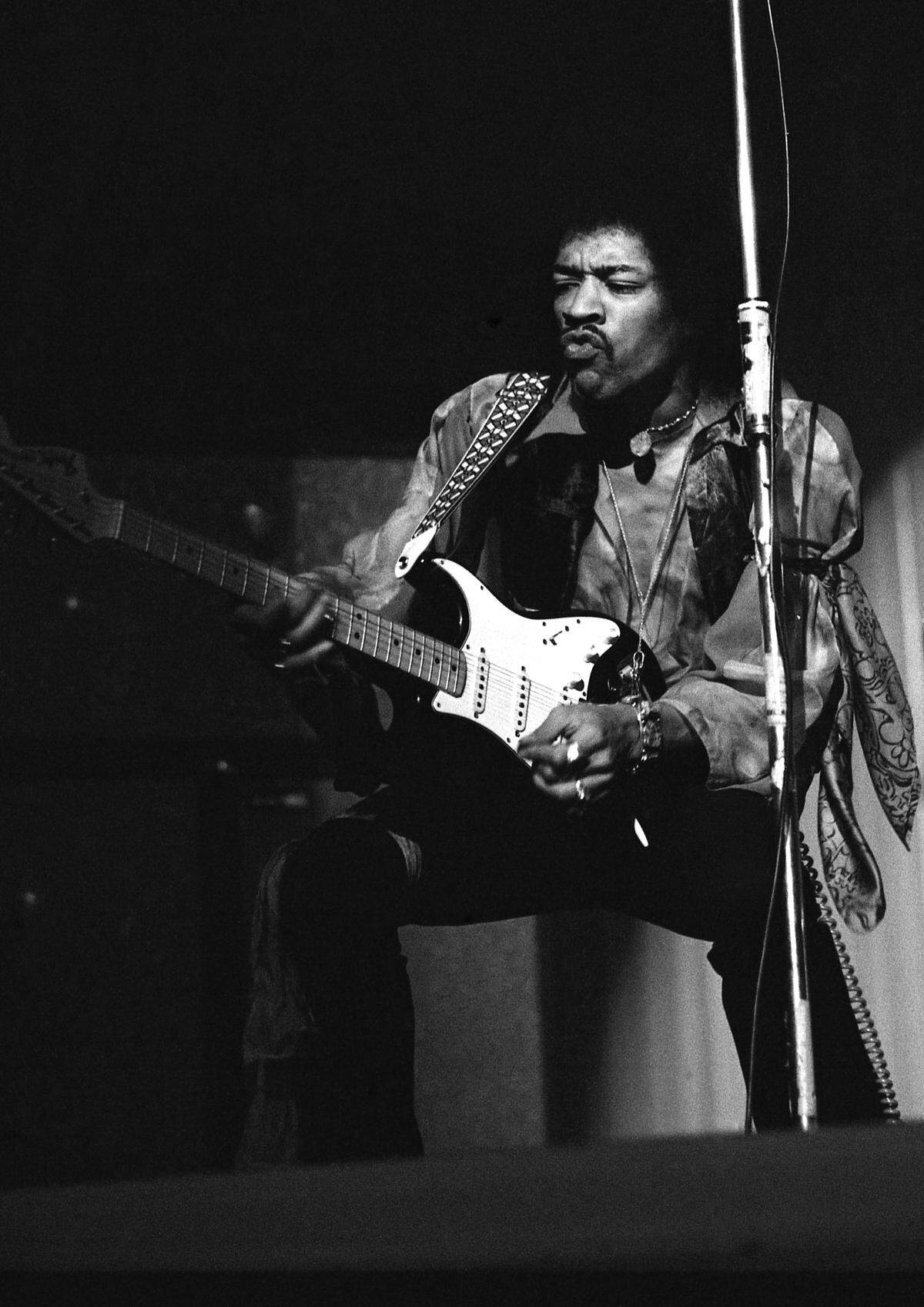
The first, “Electric Ladyland” from the Jimi Hendrix Experience, was released on Oct. 16, 1968. It would become the final studio album released during the guitarist’s lifetime. Its sense of psychedelia was every bit as profound as what we heard on the first two Experience albums, but it was also more nuanced and orchestrated. Having knowledgeable hands like Steve Winwood, Jack Casady and Dave Mason on board helped, but a fresh listen to “Rainy Day, Dream Away,” “Burning of the Midnight Lamp” and the classic cover of Bob Dylan’s “All Along the Watchtower” showed Hendrix reaching for a stronger ensemble sound, something that went beyond a mere vehicle for his uncontainable guitar vocabulary.
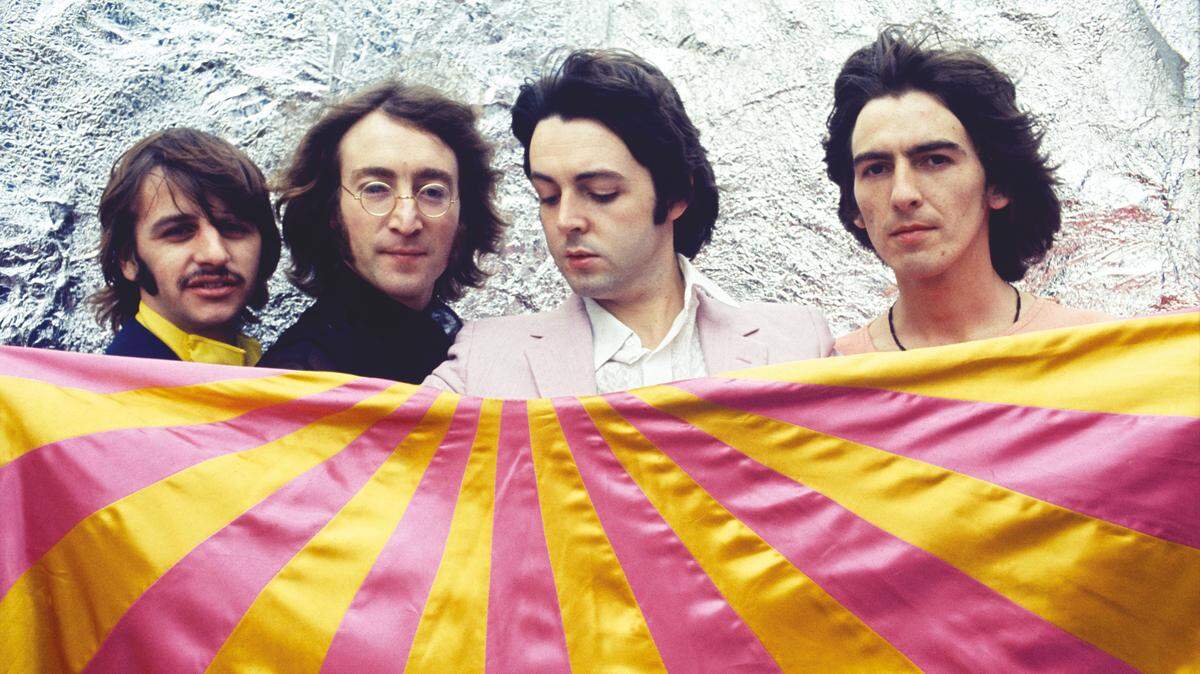
Next up was The Beatles’ self-titled double record, forever known as “The White Album,” which was released Nov. 22, 1968. Admittedly, the attention drawn to the work in 2018 comes from the mountain of demo and outtake material enhancing the various reissue editions. But a listen to the original album reveals continual fascination even as it presents a pop dynasty in fracture. Paul McCartney’s uproarious rocker “Back in the U.S.S.R.,” John Lennon’s quietly pensive “Julia,” George Harrison’s gorgeously anthemic “While My Guitar Gently Weeps” and Ringo Starr’s lullaby finale “Good Night” (the latter, a welcome return to earth after eight abstract minutes of “Revolution 9”) all sounded like a collection of solo recordings as opposed to a band project. But the results still speak volumes. “The White Album” remains the product of a profound, albeit fractured, pop intellect playing with arresting immediacy.
Finally, there is the Rolling Stones’ “Beggars Banquet,” which was released on Dee. 6, 1968. One of the darkest albums in the Stones’ canon, it was the last to feature guitarist Brian Jones, who would drown in a swimming pool seven months after the record was issued. The difference in how the record was perceived was wildly apparent in its album art. The United States edition sported a cover with faux-engraved lettering to simulate a formal ceremonial invitation. The British version had all of its cover lettering plastered on a bathroom wall like graffiti. The music inside differed as well. There were champion hits like “Sympathy for the Devil” and “Street Fighting Man,” but also blues and acoustic driven compositions that added to the record’s unsettled urgency. Then everything erupted into the euphoric revival finale “Salt of the Earth,” one of the truly great non-hit Stones anthems.
As the close of 2018 draws near, these seminal works from 50 years gone might seem like postcards from a prehistoric time. But in their cleaned-up reissued states, the music’s obvious sense of purpose is still luminous.
The times may change, but the rock of those ages remains steadfast, engaging and incredibly valid.