
Tina to the Stones: These retirees have had front-row to some of Rupp’s biggest moments
Take a drive by Rupp Arena and the Lexington Convention Center and the changes are obvious. The longstanding downtown facilities are receiving major facelifts thanks to multi-year renovation and expansion projects.
Inside, however, less obvious changes – ones equally inevitable for venues with such extensive histories – have taken place.
This summer, three veteran employees of Rupp and Lexington Center have retired, bringing to an end decades of service that has seen unprecedented changes in how the facilities have operated and the big name business they have brought to downtown. There have been a few brushes with greatness along the way, as well.
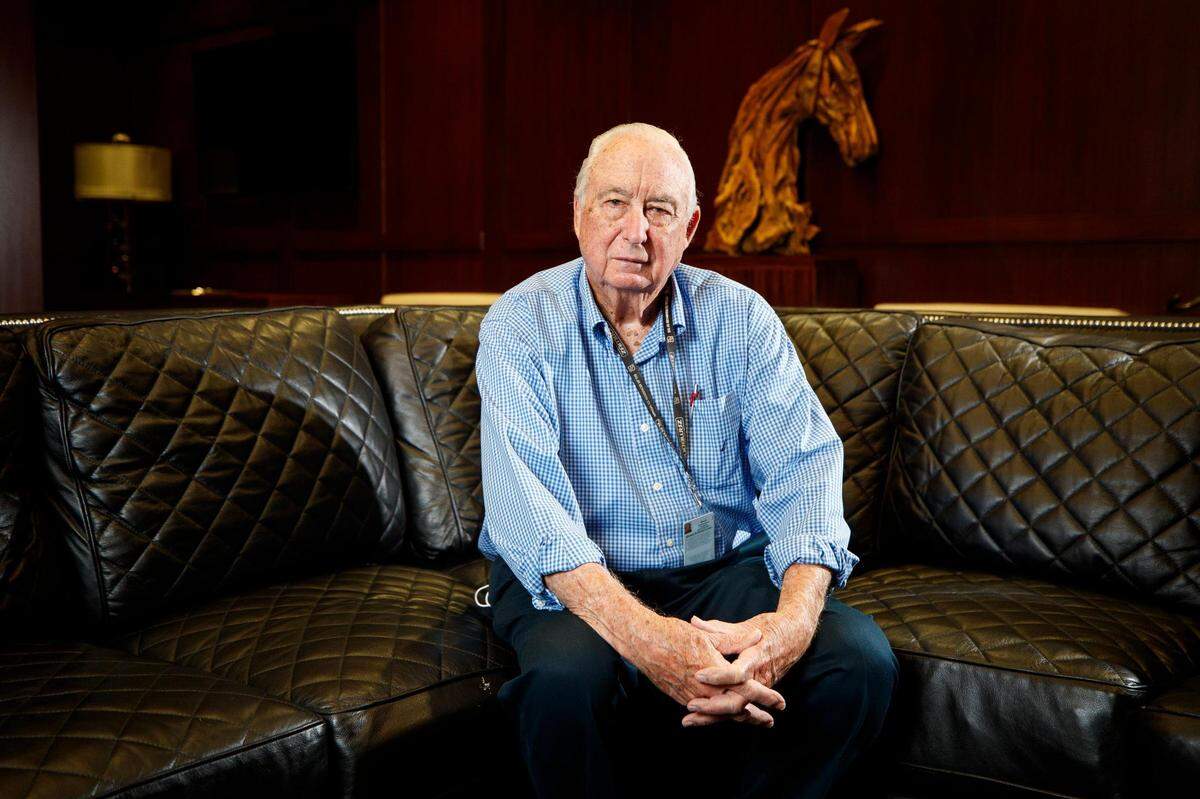
“It really has been a fantastic place to work,” said Bob Stoops, who stepped down as technical services manager after a 42-year run at Rupp that began with work as a stagehand. “It has always had a good financial structure, I thought, where so many cents on the dollar went into funding the building, keeping it up to date and purchasing equipment when equipment failed. They kept themselves very viable within the industry. That was probably the main thing for me that made it a great place to work – that and the people I got to work with. Everybody had a ‘show must go on’ attitude. So whatever issues people were having at the time, you would just drop all of that. ‘Here is the show coming in this day. Let’s get it done.’”
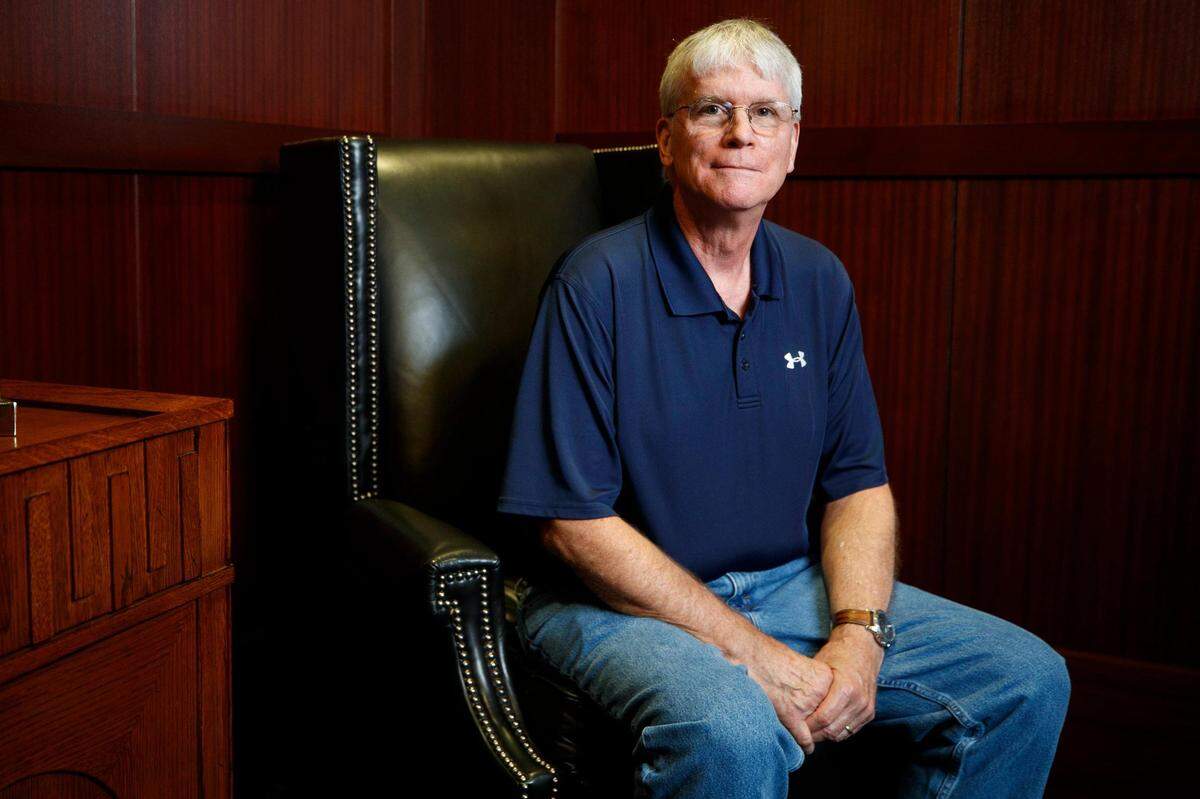
“I had a very good team there,” added Merrill Richardson, Lexington Center’s longest serving employee, who retired as director of facilities after 44 years. He began consulting work for Rupp Arena in 1975, a year before the venue opened. “Bob Stoops was my right-hand man. I still have some people that work there I hired years ago. They have been there since the arena opened in October of ’76.”
For Jeff Bojanowski, who retired as box office manager after 36 years, work began at Rupp Arena before he was ever an employee. In the late 1970s, while still a student at the University of Kentucky, he moonlighted as a production assistant for Sunshine and Entam, the two production companies responsible for bringing in much of Rupp’s early concert business. That meant watching the venue’s national reputation as a concert venue come to life.
Rupp Arena’s first big show
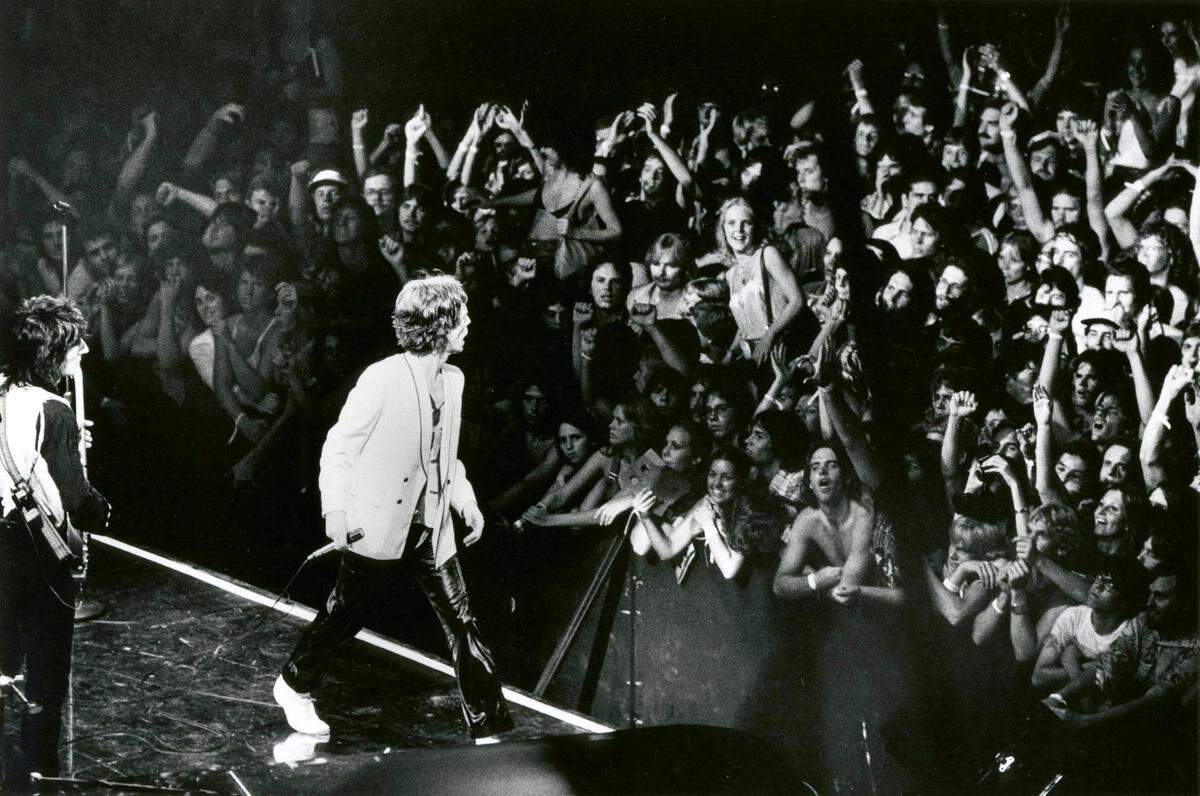
“The first really big show at Rupp was when the (Rolling) Stones played in 1978,” Bojanowski said. “I did all the running, set out breakfast for the crew, set up lunch for the crew, set up the dressing rooms. At the time, Rupp was still the new big building in the country. I was standing backstage with five or six other people. The limos started coming in. Out of the first one jumped Mick Jagger. He walks over to where we’re standing, shook everybody’s hands. He didn’t say anything. I also ran into (Stones’ bassist and drummer) Bill Wyman and Charlie Watts and we had great a conversation about how much they liked the building. These were two of the nicest guys I’ve ever met. Then I looked in Dressing Room H, where Keith Richards was. He was warming up. That little voice in my brain went, ‘Don’t you dare go in there.’ That was a tremendous night. That was the show that really put Rupp Arena on the map.”
Another brush with rock royalty saw Bojanowski taking the Grateful Dead’s caterer around Lexington to buy food.
“And contrary to what most people would think with the Grateful Dead — gotta be these vegetarians from California — we went to Critchfield and bought Porterhouse steaks,” said Bojanowski. “I actually got to sit across from Jerry Garcia and eat my steak while he ate his and that was to me a great thrill.”
Rupp changes with the times
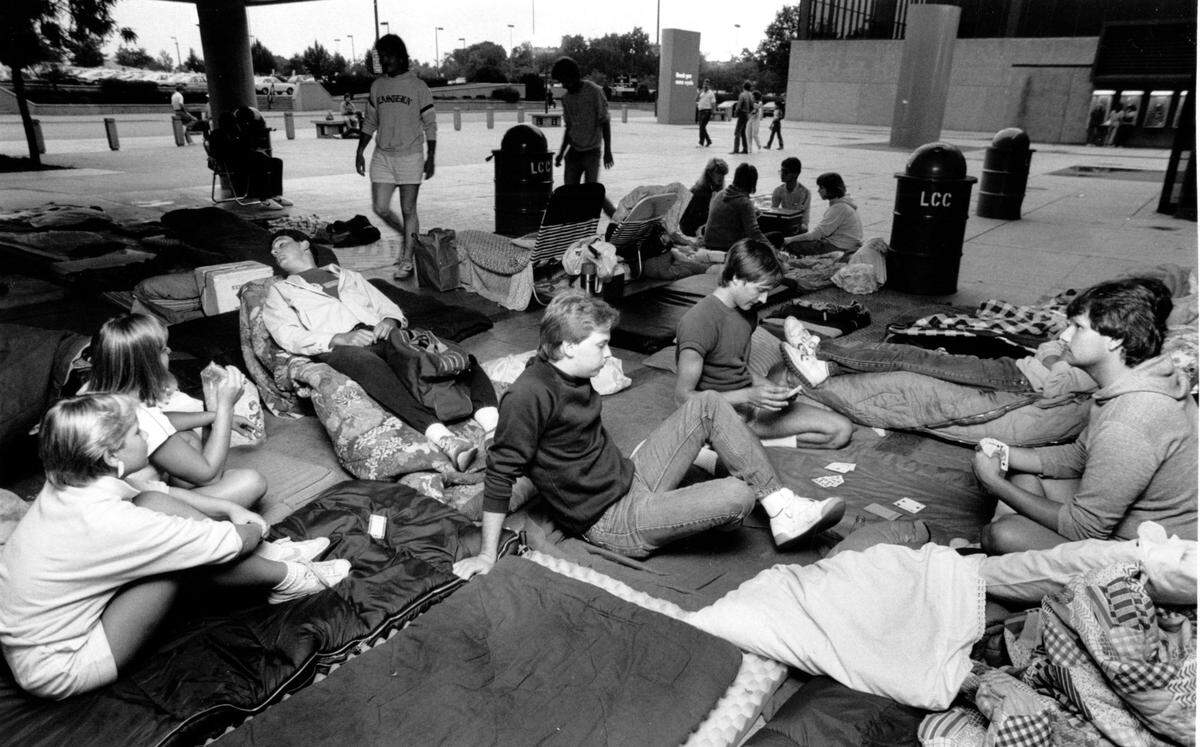
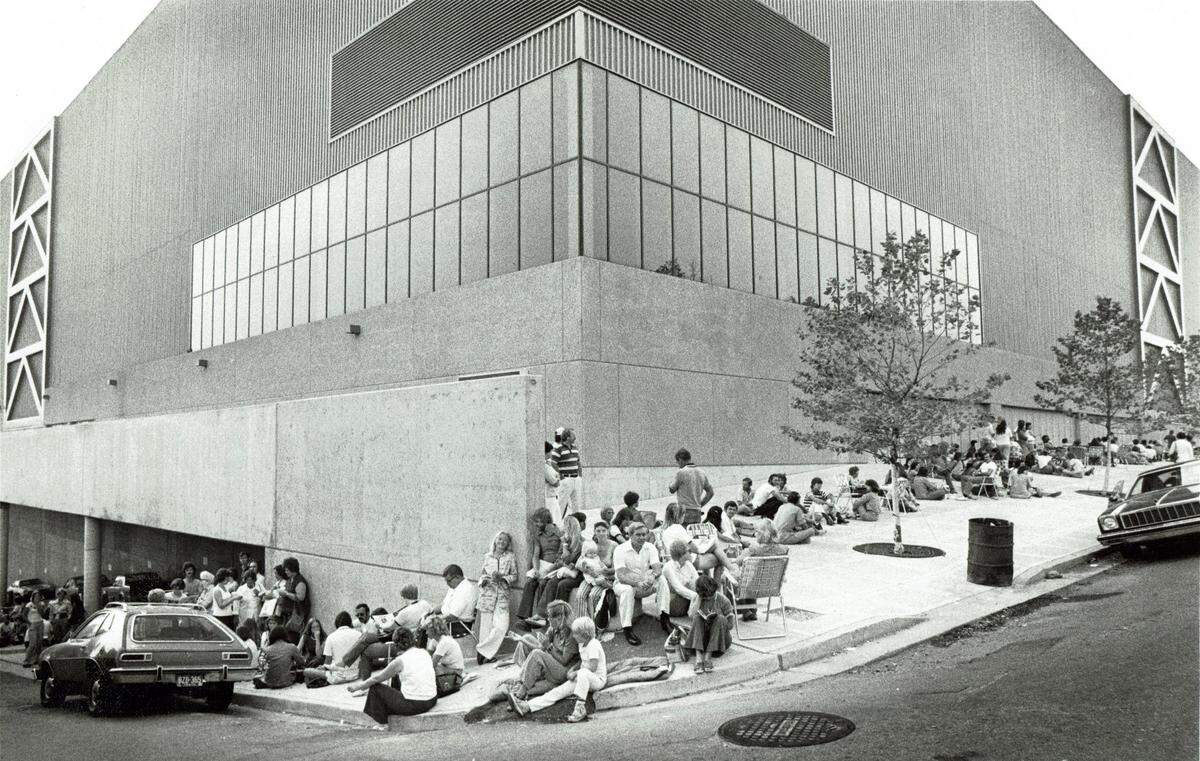
In his years as box office manager for Rupp and Lexington Center (which includes the Lexington Opera House and Heritage Hall), Bojanowski has seen enormous change in how ticket distribution has been implemented. In his earliest days, patrons would lineup the evenings before (and sometime earlier) an event’s on-sale date. But with the gradual introduction and involvement of the internet, most fans now stay home to make their purchases.
“Some of our box-office workers today are students,” said Bojanowski. “You tell them about the way concerts used to go on sale and they would look at you like you’re nuts. Once upon a time, we would have 500 or 1,000 people camped out for the on-sale. You would open those eight ticket windows and there would be this big cheer from the crowd. If it was during the winter, you would hear this huge sigh of relief because they were freezing to death. But with the internet, it’s gone to where now hardly anybody comes to the box office in person.”
Stoops has also seen technology radically change the way he approached work, especially with the lighting and sound equipment his crews set up for the variety of concert and entertainment programming Rupp has hosted. Such advancements, however, haven’t always been able to compensate for the occasional human gaffes within those touring attractions.
Take, for instance, when Tina Turner and Joe Cocker, performed at Rupp in 2000. That’s when Stoops found out that all the technological know-how in the world can’t help if your star attraction doesn’t show up.
“The tour manager was saying, ‘Has anybody heard from Tina? Shouldn’t she be here by now?’ She was due at the venue at 5 o’clock. The show started at 8, I believe,” said Stoops. “We hadn’t heard anything till about 6 o’clock. Then the bus driver called saying he was running behind and would be here soon. Then comes 7 o’clock. Still not there. The phone rings again and it’s the bus driver saying. ‘Well, I’m sitting outside the venue. It looks empty.’ We said, ‘What do you mean? Where are you?’ He says, ‘I’m sitting outside Freedom Hall (in Louisville).’ And we’re like, ‘You’re in the wrong city.’
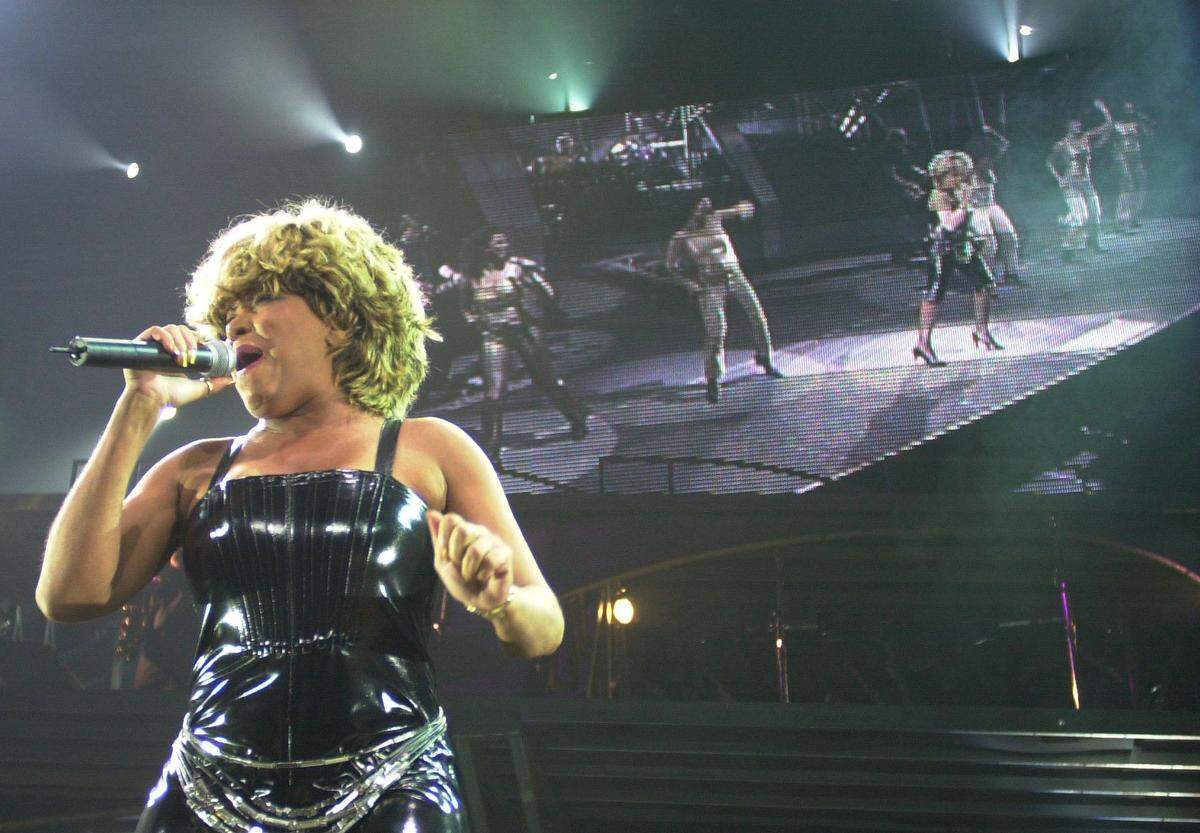
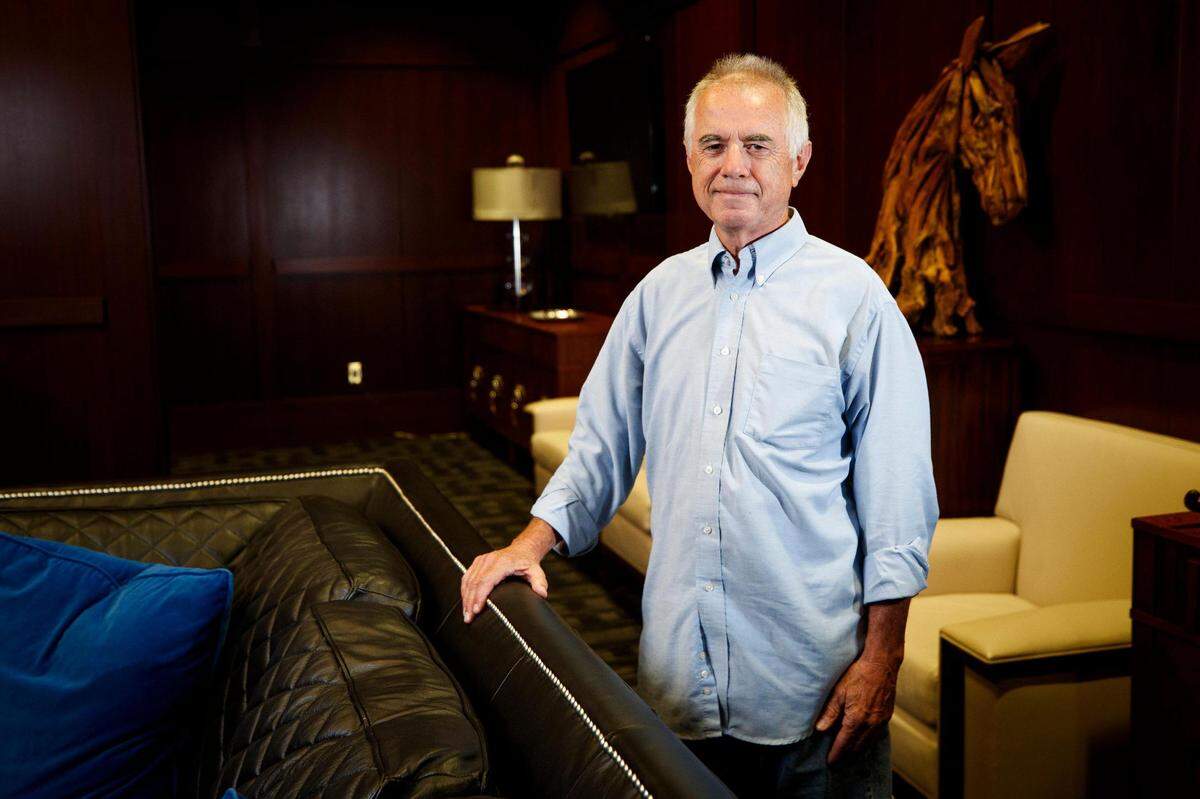
Said Stoops, “So people made calls and tried to get the state police involved to escort the bus to Lexington. They talked to Joe Cocker about what happened, so he continued to play. And what a great set he did. I don’t know what took so long for her to get here, but her bus didn’t pull up until almost 9:30 or 10 o’clock. But the crowd stuck around and Tina was a real pro. She went straight from the bus to the stage. No detour. No dressing room. No anything. She popped up onstage and then performed for a couple of hours.”
Will the retirees simply attend an event?
With so many years and stories clocked from their years of service, can these three Rupp alumni ever see themselves attending the facility simply as a patron?
Richardson said he could, but added he was “old fashioned” and preferred acts like Harry Connick, Jr. over Rupp’s usual rock and country fare. Bojanowksi also said he had no problem being a spectator, especially since his box office duties usually precluded him from attending any Rupp events other than basketball games. Stoops was more hesitant. Turning off backstage responsibilities, he said, after four-plus decades, takes some time of its own.
“I don’t think I can do that just yet, but I am looking forward to being able to one day,” said Stoops. “When you work in a venue for so long, it’s hard to go there just to watch a show. I’d just be watching all the behind the scenes stuff and be like, ‘Okay, why did I buy a ticket for this?’”
This story was originally published September 3, 2020 at 6:00 AM.