
Paul McCartney, Marvin Gaye & more: The 50th anniversary of music’s biggest summer
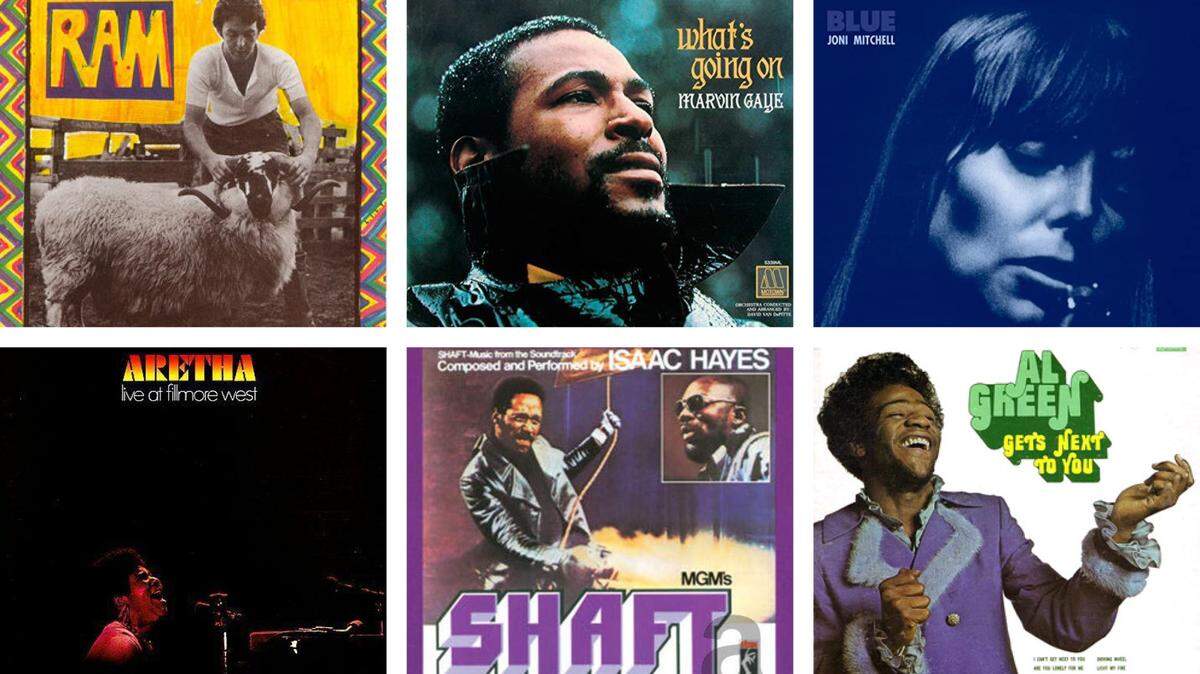
Every generation receptive to the joys of popular music will likely cite a single year from their youth that was pivotal to the growth of the songs and sounds that rang around them.
For some, that year have might have been 1956, when Elvis Presley changed the commercial course of rock ‘n’ roll with “Heartbreak Hotel.” Others might favor 1964, when Beatlemania hit North America with the force of a hurricane. Then again, the championed year could have been 1976, when punk rock, disco and mainstream arena rock acts vied for audience adoration.
Well, here’s another entry, one from my youth – 1971. It wasn’t a year that centered around any central trend. Instead, 1971 was the year progressive popular music grew up. Acts introduced the preceding decade had artistically matured as did the genres and styles they championed. It was the year Motown fell in line with the times, folk found a new generational footing and rock soared to daring new heights. It wasn’t just that nearly every major performer of the day released a new album in 1971. What mattered was how so many of the resulting records became milestone works for the artists that made them and, ultimately, definitive chronicles of the times.
“For those who were listening, it never got any better than 1971,” wrote David Hepworth in his book, “Never a Dull Moment: 1971 – The Year That Rock Exploded.” “During those 12 months, in a surge of creativity, playfulness, ambition, technological breakthrough, ego and blissful ignorance, a huge proportion of the most memorable albums ever made were released.”
The year began with a sadly triumphant postscript to the ’60s - the Jan. 11 release of “Pearl,” the final recording by Janis Joplin, who had died four months earlier. It ended with the breakthrough of David Bowie, whose fourth album, “Hunky Dory” hit stores on Dec. 17.
Every great rock ‘n’ roll year, though, has an even better rock ‘n’ roll summer. And 1971 was no exception. Let’s celebrate the 50th anniversary of the music from 1971 by taking a look back at the recordings released during those late spring and summer months – works that continue to inspire audiences and artists alike a half-century on.
Paul and Linda McCartney: “Ram” (Released May 17)
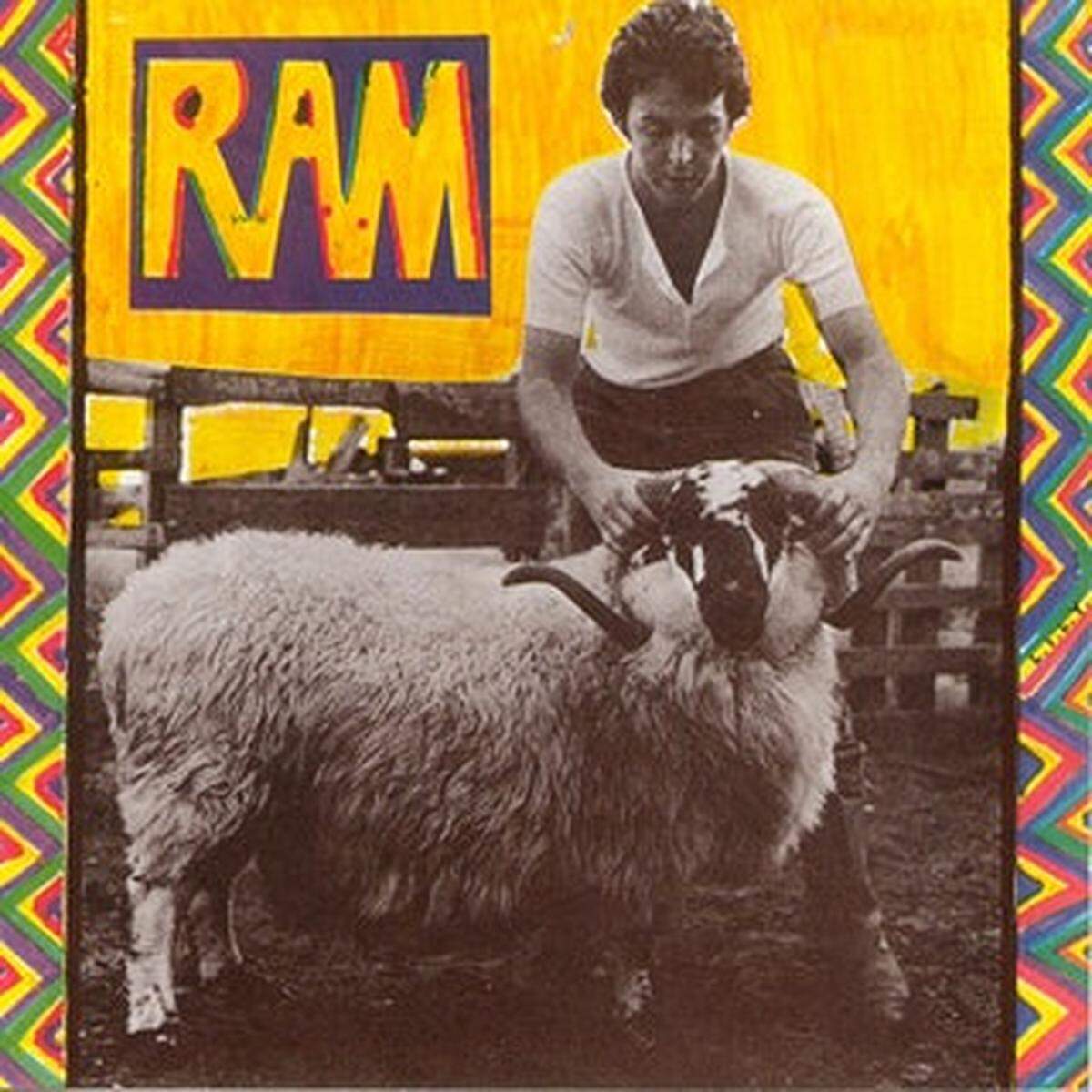
On his second post-Beatles album, Paul McCartney and wife Linda journeyed to New York, recruited a modest pack of studio musicians and cut an album that shifted from hand-stitched rock ‘n’ roll (“Too Many People”) to sweeping orchestral pop reminiscent of his former band (“Uncle Albert/Admiral Halsey”). “Ram” balanced hippie fancifulness, indie-style workmanship and McCartney’s scholarly pop smarts.
Rod Stewart: “Every Picture Tells a Story” (Released May 19)
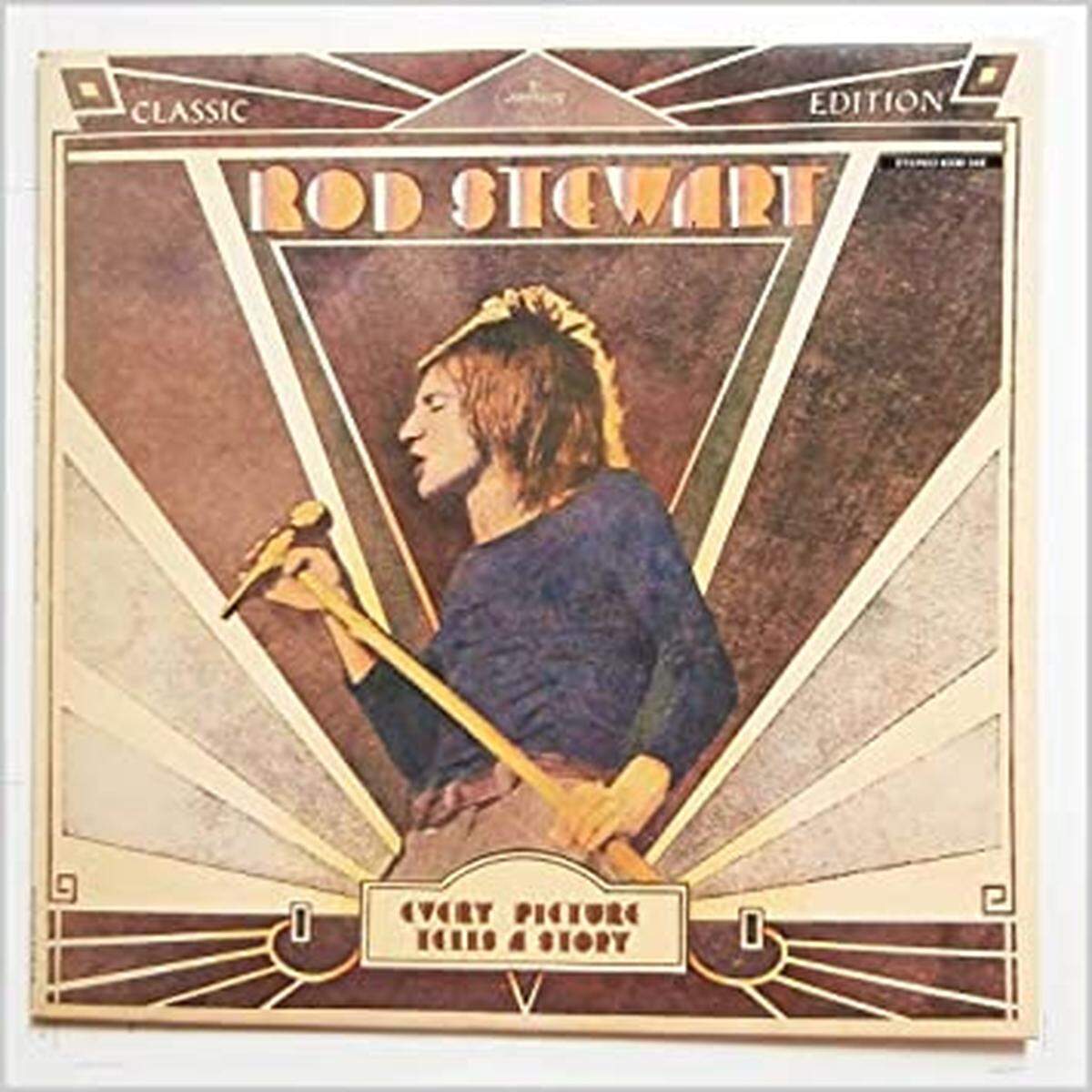
For his breakthrough album, Rod Stewart didn’t so much reinvent his own wheel as refine it by drawing from antique folk stylings, bawdy barroom rock ‘n’ roll and the darker side of the blues. But the catalyst was Stewart’s attitude, a mix of rock star swagger and a natural penchant for entertaining. With “Maggie May” as a leadoff hit, “Every Picture Tells a Story” was the album that made Stewart a star,
Aretha Franklin: “Aretha Live at Fillmore West” (Released May 19)
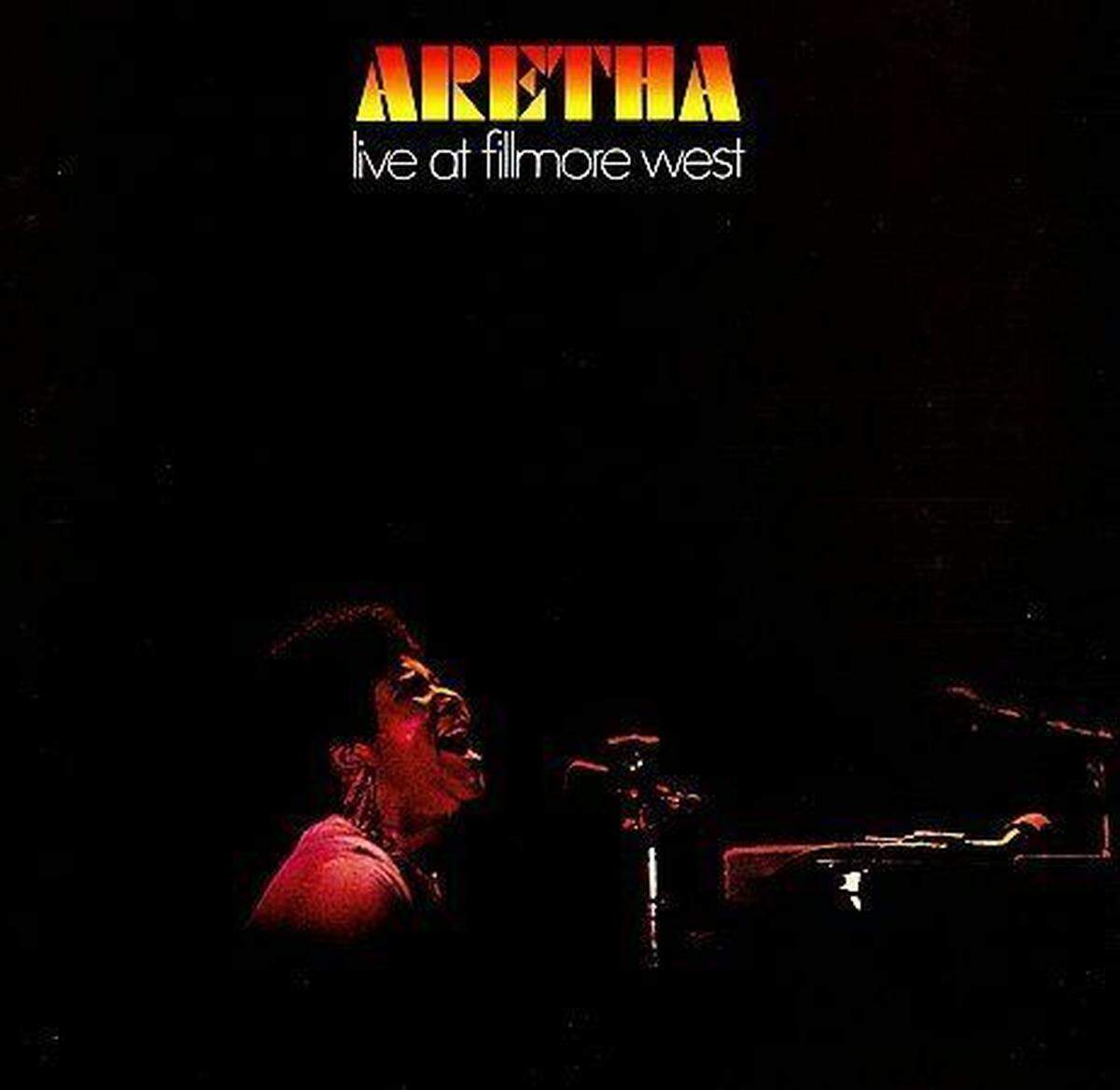
“Aretha Live at Fillmore West” was a knockout concert set that paired the Queen of Soul with sax great King Curtis. The repertoire wasn’t a greatest hits collection, but a revisionist take on pop and soul hits of the day (“Bridge Over Troubled Water”) along with some of Franklin’ most underappreciated originals (“Spirit in the Dark”). A vocal cameo by Ray Charles didn’t hurt, either.
Marvin Gaye: “What’s Going On” (Released May 19)
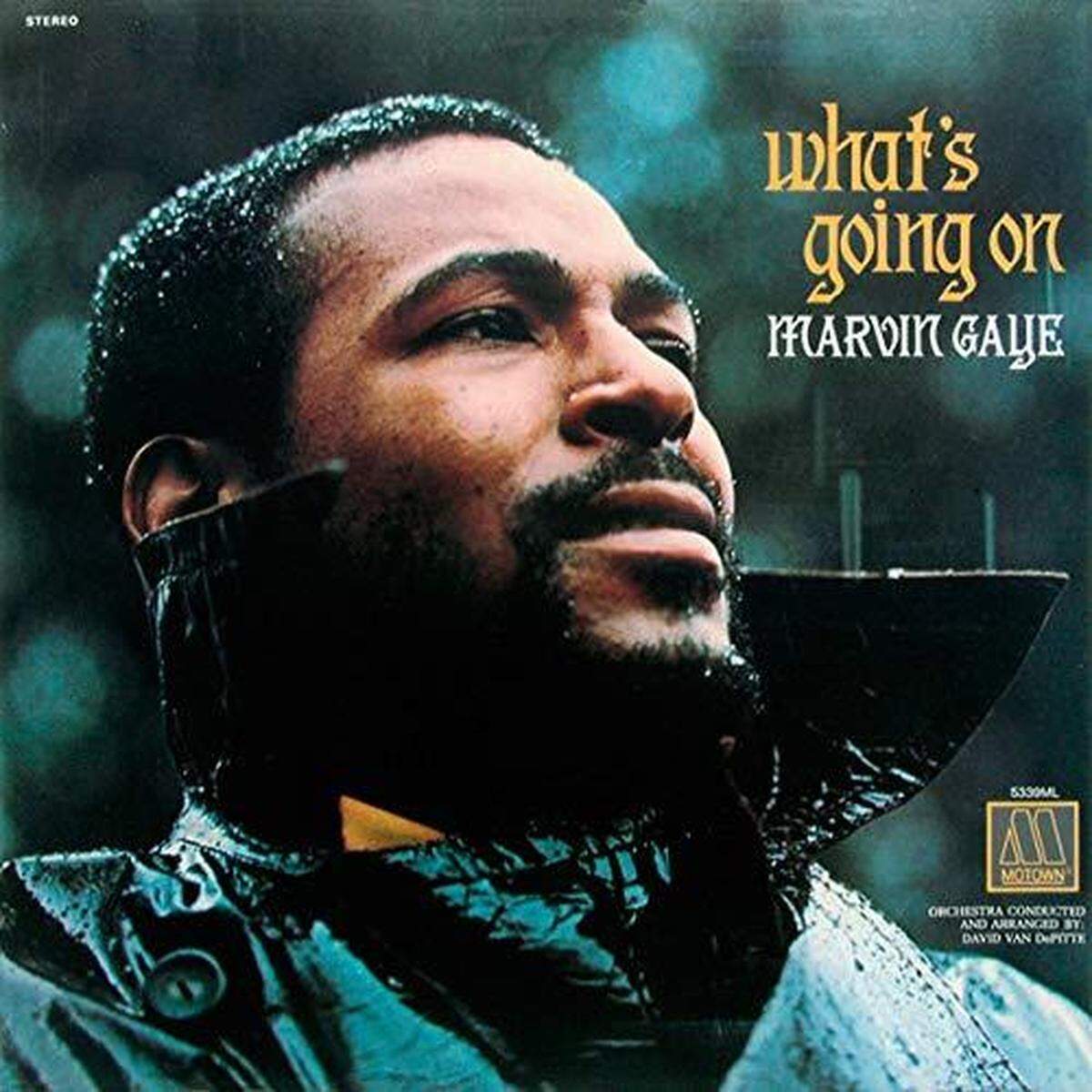
Along with Motown mates Stevie Wonder and The Temptations, Marvin Gaye saw the early 1970s as a time of spiritual reckoning. As such, “What’s Going On” shifted focus to the socially and environmentally ruptured world around him. Musically, it was as arresting as any Motown record ever made, but Gaye’s soulful wail now ached for a troubled generation while offering, as shown on the record’s title tune, hope and healing.
Joni Mitchell: “Blue” (Released June 22)
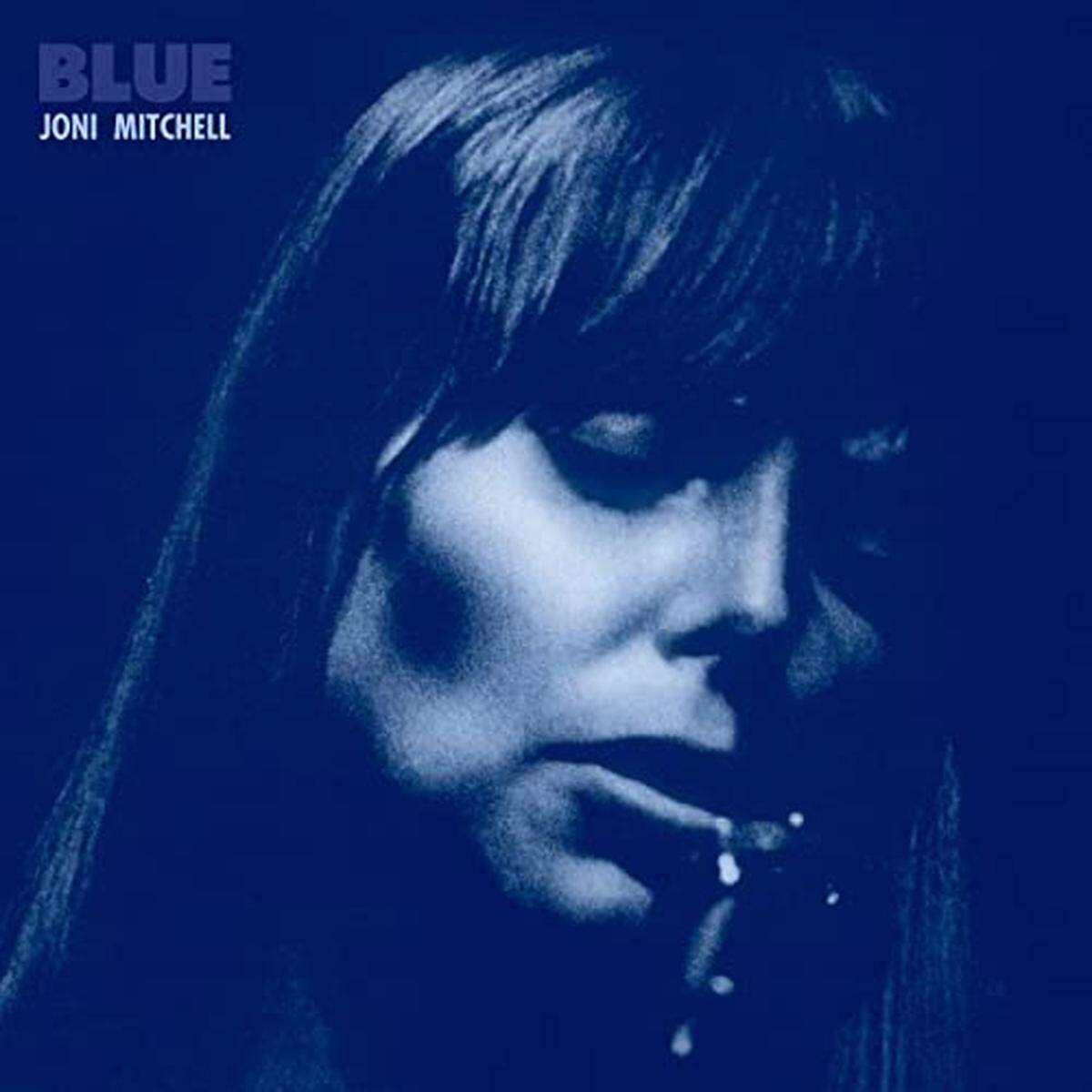
“Blue” wasn’t just a game-changer for Joni Mitchell’s folk-inspired confessionals. It expanded the stylistic and especially thematic terrain for all women songwriters. Often misrepresented as a dark album, “Blue” was instead an introspective work – one that doesn’t seek easy resolutions for unsettled emotions. Poetic, reflective and wildly intuitive, “Blue” was like a therapy session, a personal reveal of astounding proportions.
The Allman Brothers Band: “At Fillmore East” (Released July 6)
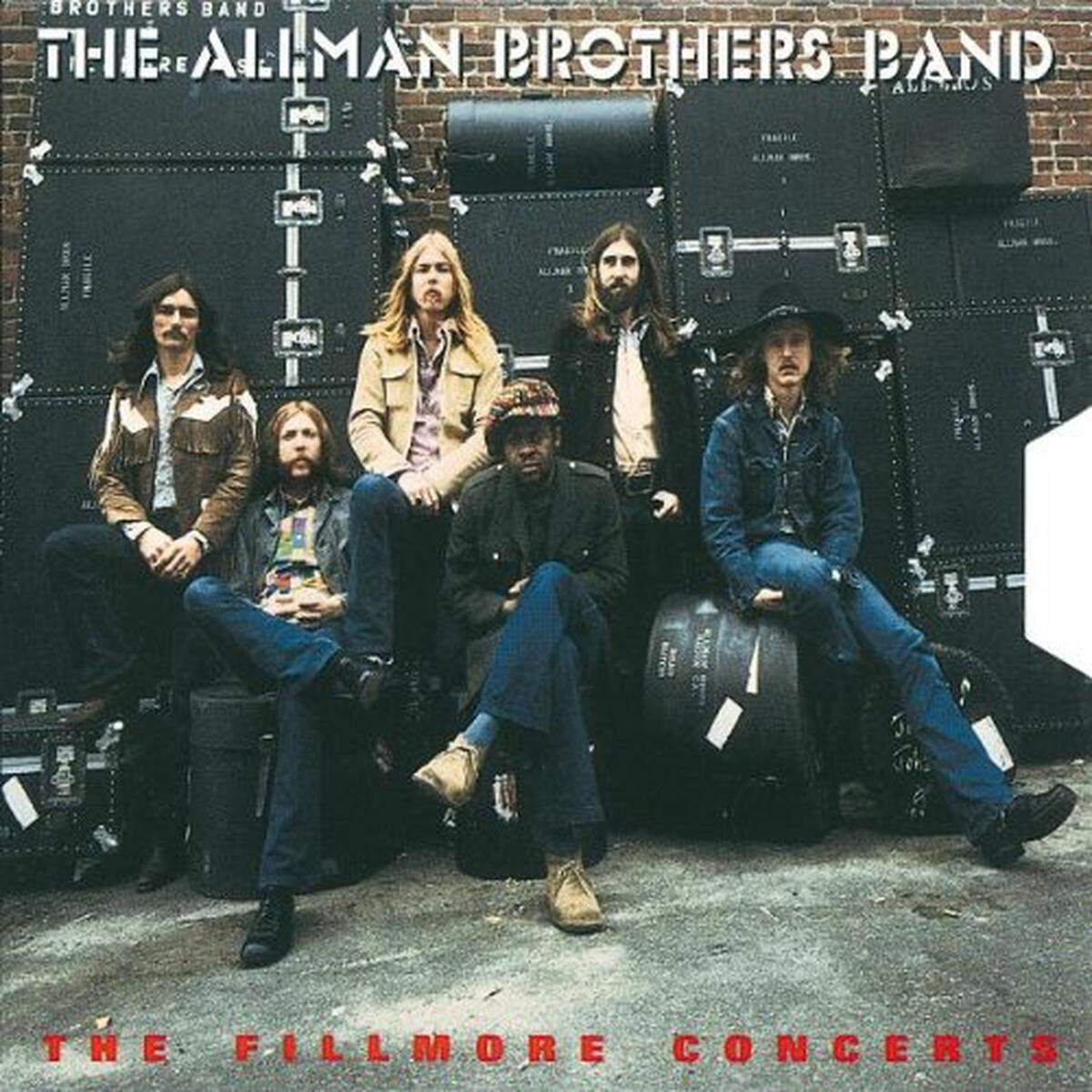
Under the guidance of guitarist Duane Allman, the Allman Brothers Band settled into New York’s famed Fillmore East in March of 1971 for an engagement where its tasty merger of blues and Southern soul, presented with a flair for improvisational rock ‘n’ roll detours, bloomed. By July, “At Fillmore East” cemented the band’s stardom. But the reckoning was almost immediate. In October, Allman died in a motorcycle crash.
Black Sabbath: “Master of Reality” (Released July 21)
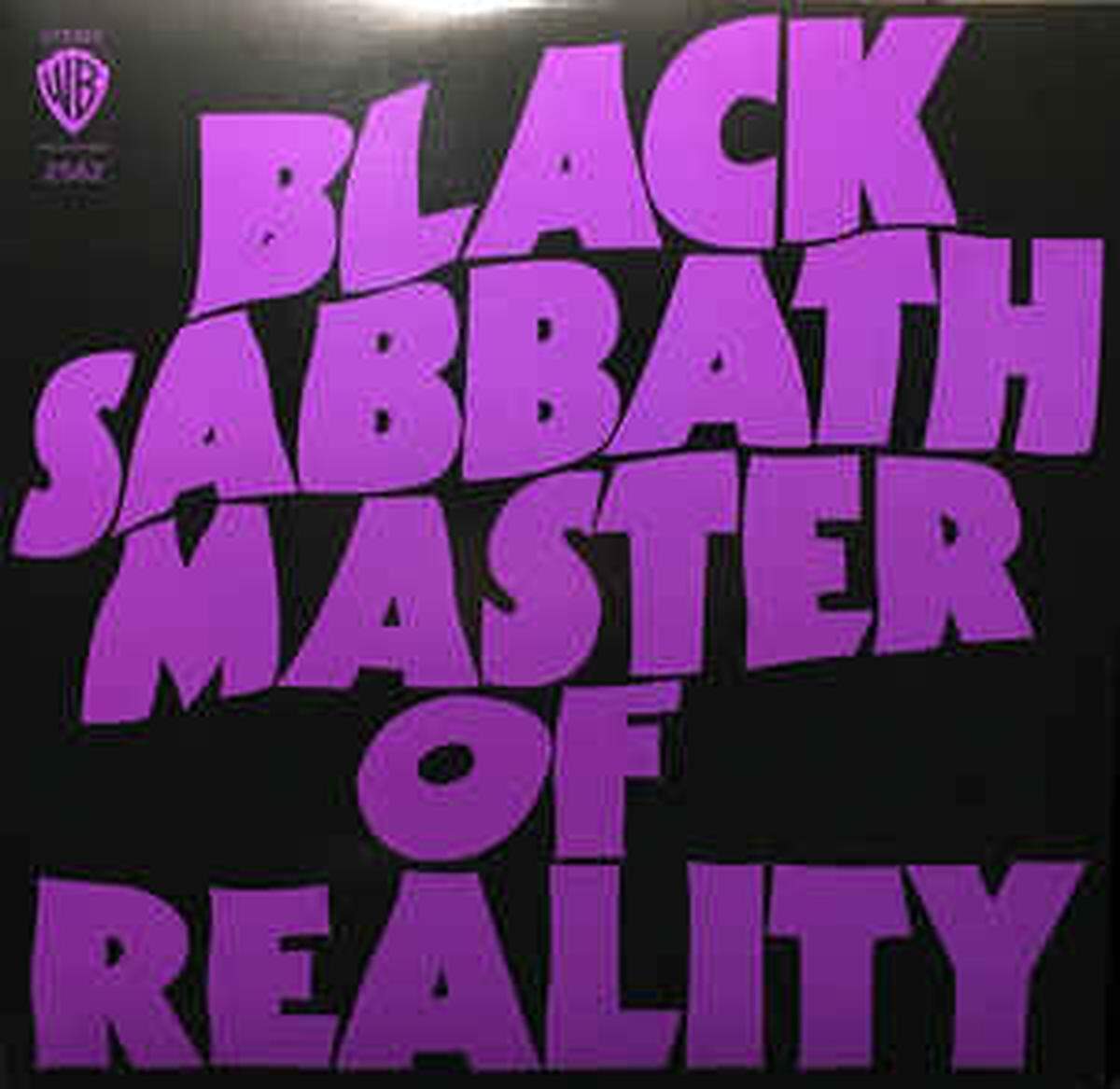
Black Sabbath’s third and, for many fans, finest album, “Master of Reality” enshrined its trademark sound – a heavy guitar charge that hit the listener in thick, slow-moving waves – while offering a few surprises. Guitarist Tony Iommi, the band’s chief musical architect, even plays acoustic guitar and flute at different points. But the purpose and pace of the electric numbers echoes in scores of metal albums to this day.
Isaac Hayes: “Shaft” (Released July 23)
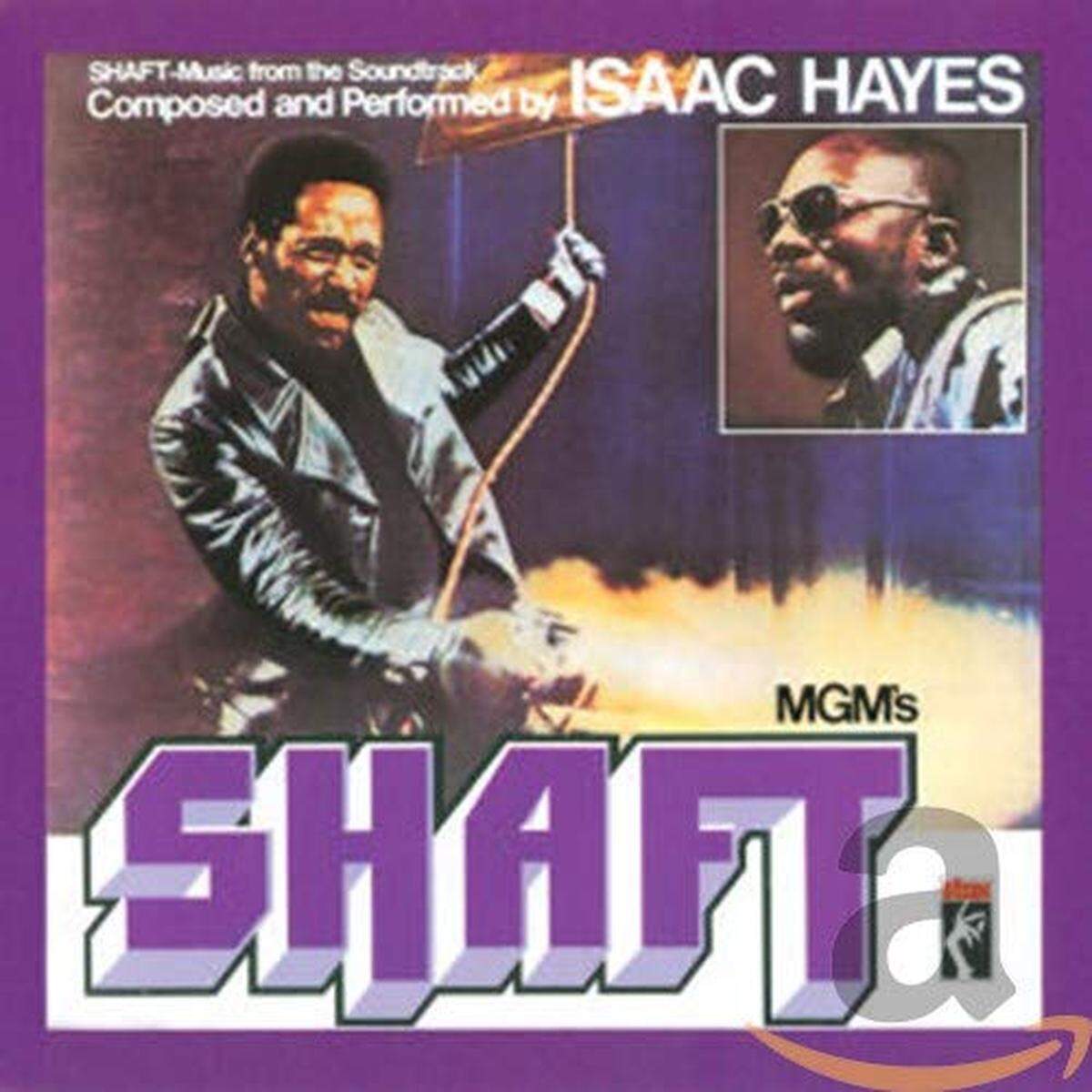
Isaac Hayes’ soundtrack to the action movie “Shaft” consisted of 15 songs, most of which adhered to the lush, orchestral soul that earmarked his previous three studio albums. But the score’s first four-and-a-half minutes changed the world. The use of orchestration under a repeated wah-wah guitar riff on the “Theme from ‘Shaft’” became one of the most imitated sounds in film and television music for the rest of the decade.
Al Green: “Al Green Gets Next to You” (Released August 14)
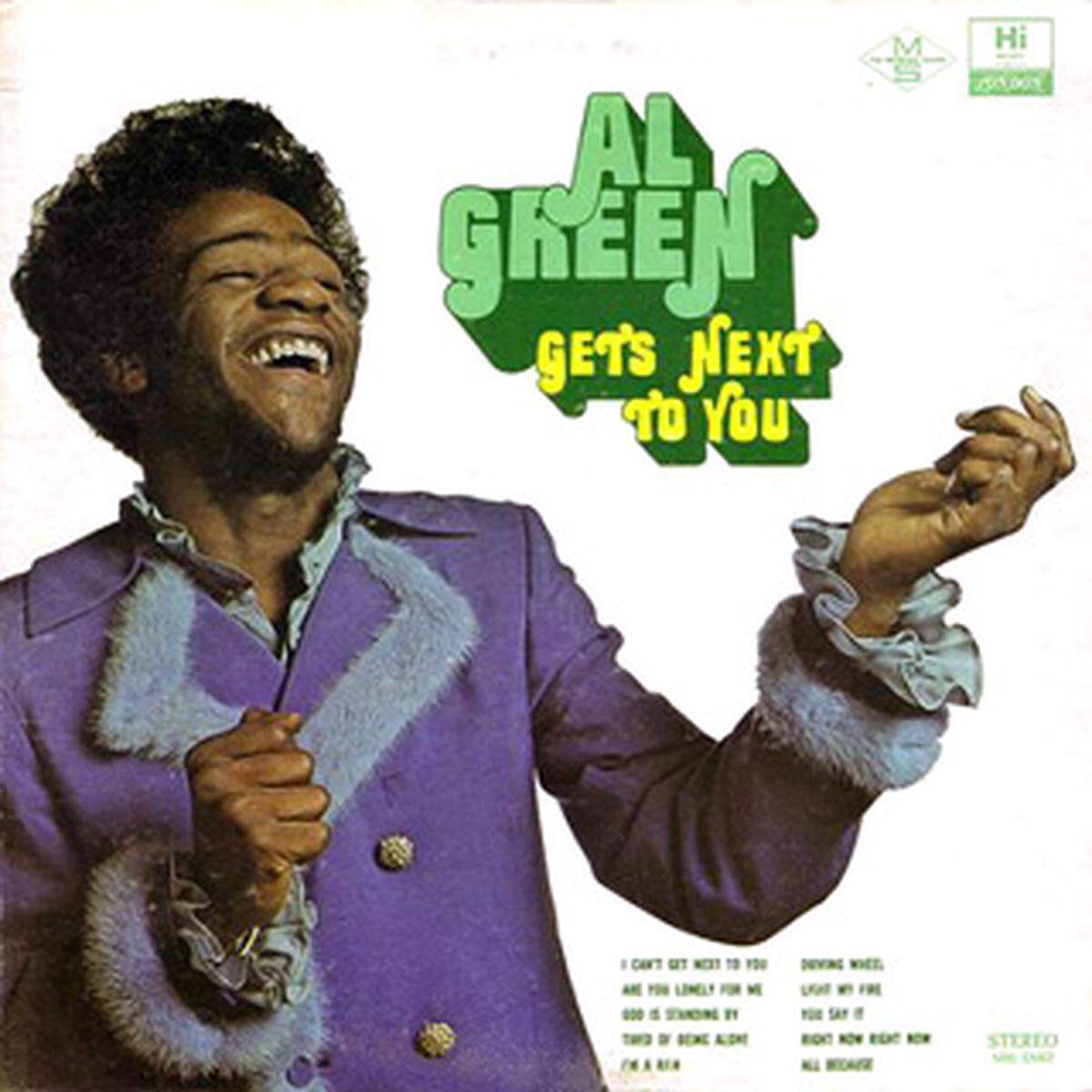
On his second album with producer Willie Mitchell, Al Green found the pieces to rewire the sound of Southern soul. A gifted writer, a keen interpreter and a wildly expressive singer with enormous vocal and emotional range, Green used Mitchell and the famed rhythm section from Hi Records to make Memphis as important a meeting ground for soul and pop music in the ‘70s and Detroit was in the ‘60s.
The Who: “Who’s Next” (Released August 14)
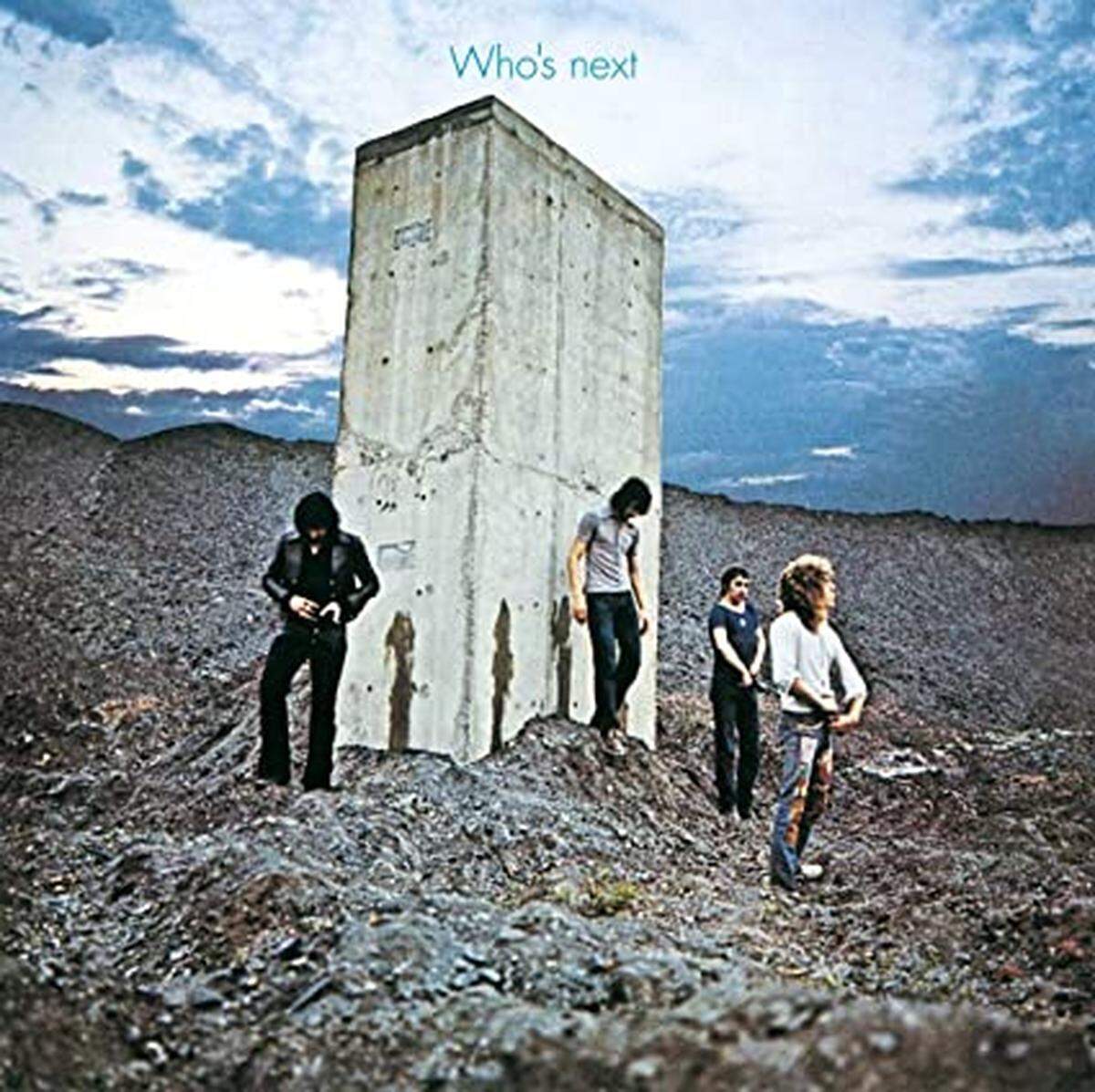
Consisting of songs pulled from Pete Townshend’s aborted “Lifehouse” opera, “Who’s Next” continued The Who’s transformation from a ‘60s pop troupe to a ‘70s rock juggernaut. The album was bookended by anthems that became rock radio staples – “Baba O’Reily” and “Won’t Get Fooled Again” - with plenty of more introspective fare in between. Arguably the most succinct, potent and perfect rock album of its era.