
Lexington Philharmonic embracing songs from the heart with guest violinist
AI-generated summary reviewed by our newsroom.
- Tai Murray will solo Mendelssohn with Lexington Philharmonic in Heartsong Nov 22.
- Murray teaches violin at Yale, plays a 1765 Tommaso Balestrieri violin worldwide.
- Program pairs Mendelssohn with Guo's the sound of where I came from and Rachmaninoff.
For many violinists, Felix Mendelssohn’s Violin Concerto is a rite of passage, an essential and integral work in their performance development. For audiences, the piece remains, 180 years after its premiere, popular and familiar, welcoming.
In short, audiences and artists alike know the Mendelssohn Concerto well. Tai Murray knows it really well — like, really, really well.
“I think I have played this piece, I have to say, hundreds of times — probably, at this point, close to a thousand,” said the critically lauded violinist and educator who will bring the work alive again this weekend as guest soloist with the Lexington Philharmonic for a concert titled “Heartsong” (Moni Jasmine Guo’s “the sound of where I came from: 乡音 Xiāng Yīn)” and Rachmaninoff’s Symphony No. 2 complete the program.)
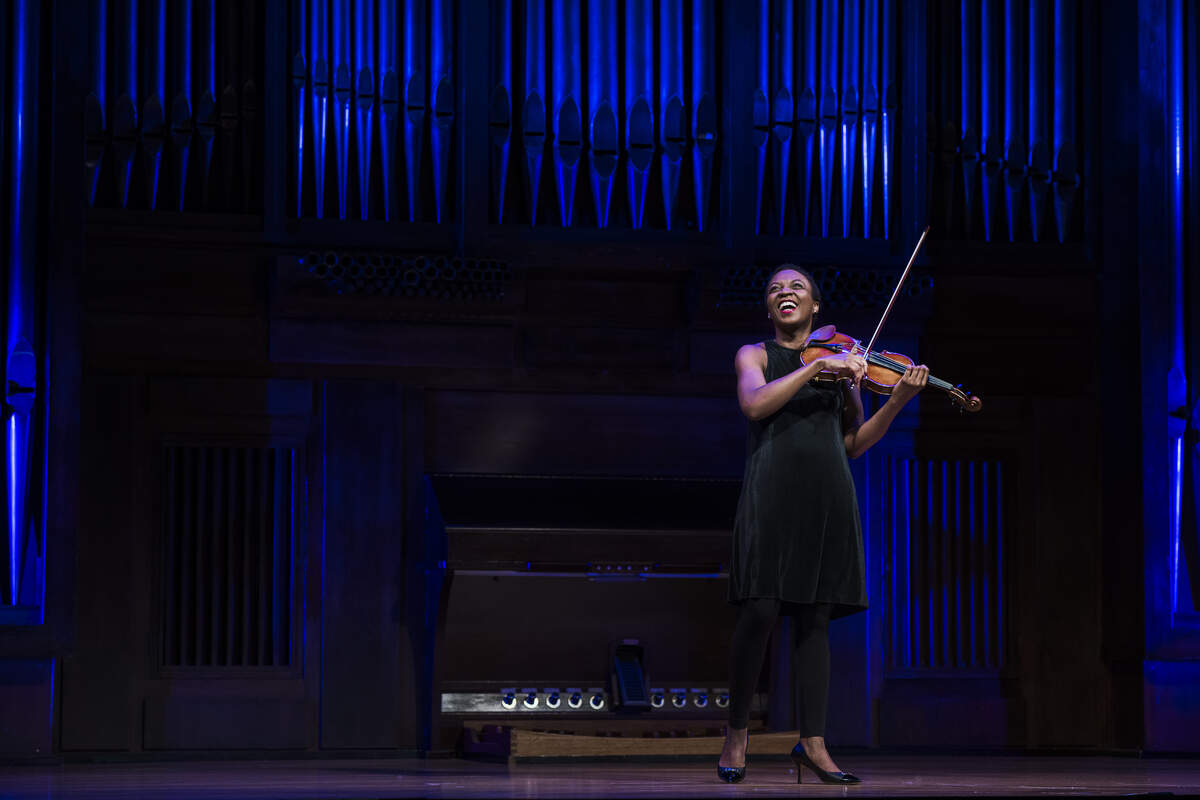
“The Mendelssohn concerto is a rite of passage piece because many violinists learn it when they are very young,” Murray said. “Sort of deceptively, it’s considered one of the technical stepping stones in maybe that it’s easier than other works. I don’t really consider it in that way, but it does set up traditional violin technique very well.
“But I think Mendelssohn would be elated and proud to know that it is still one of the most popular and most demanded works for violin soloists. It’s a testament to how beautiful it is, how well constructed it is. It sounds effortless. Well, the composing style of it sounds effortless, but he spent, like, seven years (1838 to 1845) writing it. It was like this real labor of ‘I have to get it right.’ But I always enjoy playing it. It never gets old and it never gets stale.”
A Chicago native, Murray today stands as a global citizen for classical music. She has played everywhere from Carnegie Hall to the Royal Albert Hall, was named a BBC New Generation Artist and performed in Europe as recently as October. Not surprisingly, she maintains a home base in Berlin.
Critics have taken generous notice of Murray’s musicianship, as well. A 2021 New York Times review of her performance of Ralph Vaughan Williams’ “The Lark Ascending” with the Orchestra of St. Luke’s stated “Murray’s playing abounded in radiant sound, arching lyricism and delicacy. She dispatched the passagework with effortless grace.”
Offstage, though, you’re apt to find Murray in the classroom. She serves as Associate Professor, Adjunct, of violin at the Yale School of Music. The connections she makes with aspiring musicians, though, are forged in very direct terms.
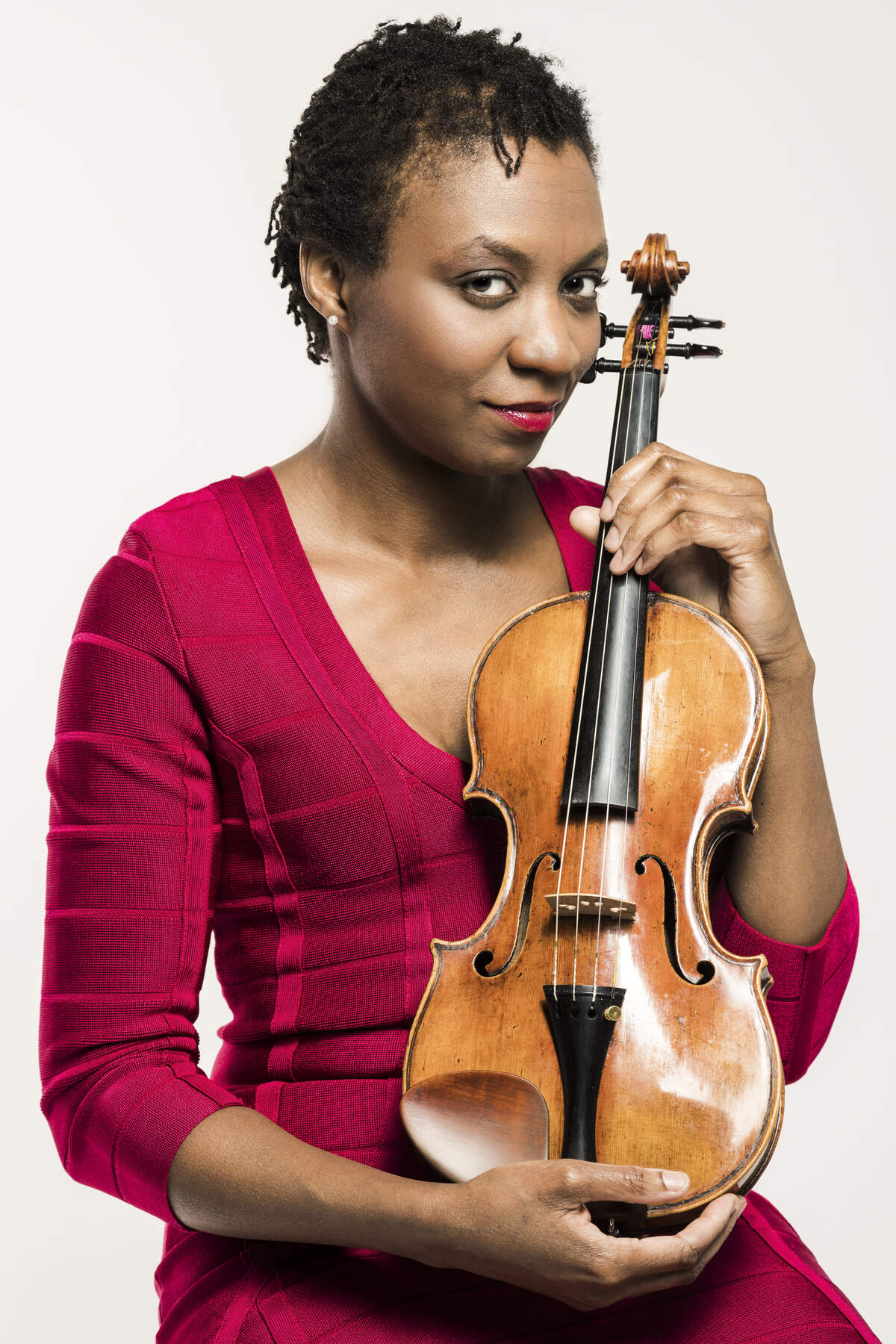
“The ability to explain something clearly to someone else is the ability to make your own thoughts clear to yourself,” Murray said. “And, yes, I teach at a highly rigorous academic university, which I do not take for granted. However, the art of music is not in academia. That is still something that is very much a master/apprentice art, which is why the idea of having individual students is still really important. It’s that one-on-one, how-you-challenge-yourself setting that is really, really important and will always be for something so highly intellectual, but also so emotionally dependent as playing an instrument.”
Murray’s own artistic upbringing was influenced by home environment. In the broader sense, that meant absorbing the extraordinary musical diversity Chicago offered. More directly, inspiration was drawn from family.
“Chicago just really brought home the fact that it’s very important to be well-informed. As a musician, you cannot operate with blinders on. That doesn’t serve the music. It doesn’t serve anybody’s intellect or interest. Being exposed to that vast amount of knowledge in Chicago was really helpful, but also just refreshing.
“A good portion of my family are educators, but not in music. That meant they were aware of the type and amount of information gathering that was necessary to have the kind of career I have now. They were helpful in finding me good teachers and exposing me to all different kinds of music and cultural influences. That awareness is something I’m very thankful for today, but it also helps me understand my purpose and function as an artist/musician.”
While Murray said numerous formative influences helped develop her musical voice, all are secondary to the instrument conveying that artistic expression.
“I’ve had many influential moments having to do with music, but my personal decision in wanting to be a violinist and musician lifelong preceded all of those great moments. My connection with the instrument wasn’t created by anything other than the greatness of the instrument itself.”
And the instrument Murray performs with today is great indeed. She plays a violin by 18th century Italian luthier Tommaso Balestrieri. The birth year of the instrument: 1765.
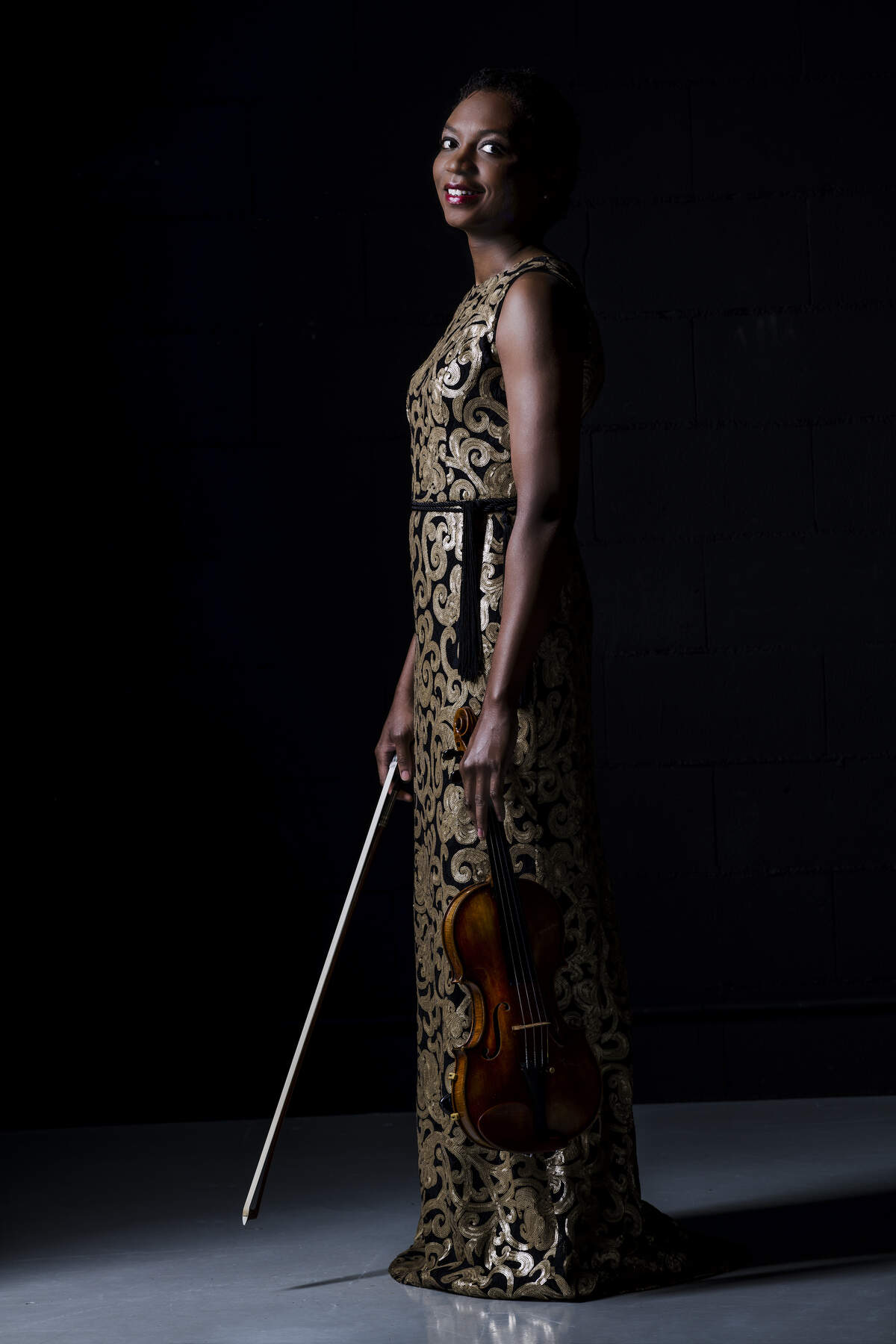
“Well, we are friends,” Murray said. “We have grown together. It has changed over the time that I’ve played on it. I’ve changed over the time that I’ve played on it. I’m aware that I am just basically a blip in its lifetime. It existed long before me and it’s my job to make sure it will exist long after me, so I’ve taken care of it. But, yeah, we get along quite well.
“We understand each other’s quirks.”
Lexington Philharmonic: “Heartsong” with Tai Murray, violin
When: Nov. 22 at 7:30 p.m.
Where: Singletary Center for the Arts, 405 Rose St.
Tickets: $11 youth/students; $28-$78 adults
Online: lexphil.org/heartsong