
50 years ago: These albums shook the world in 1976 and are still rocking us today
AI-generated summary reviewed by our newsroom.
- Five-decade review catalogs 1976 albums that shaped music and sustained influence.
- Genre range spans punk, arena rock, soul, country and fusion, driving legacy.
- Commercial breakthroughs and landmark records cemented careers and industry trends.
A few winters ago, when I began what is now an annual story on popular recordings celebrating the 50th anniversary of their release, a friend of a similar vintage as myself thanked me for making him “feel old.”
Obviously, that’s not the point in honoring these vanguard works. It’s just that the half-century mark — to me, at least — is a milestone, one that underscores endurance, influence and inspiration.
Yes, for those of us old enough to remember when these albums first came into our lives, the realization that 50 years have passed can be a bit sobering. But such a reality check pales next the music itself.
All great (and, sometimes, popular) art endures. So, with 2026 off and running, let’s flip the switch on the time machine and look at back at recordings that ruled stereos and radios throughout 1976.
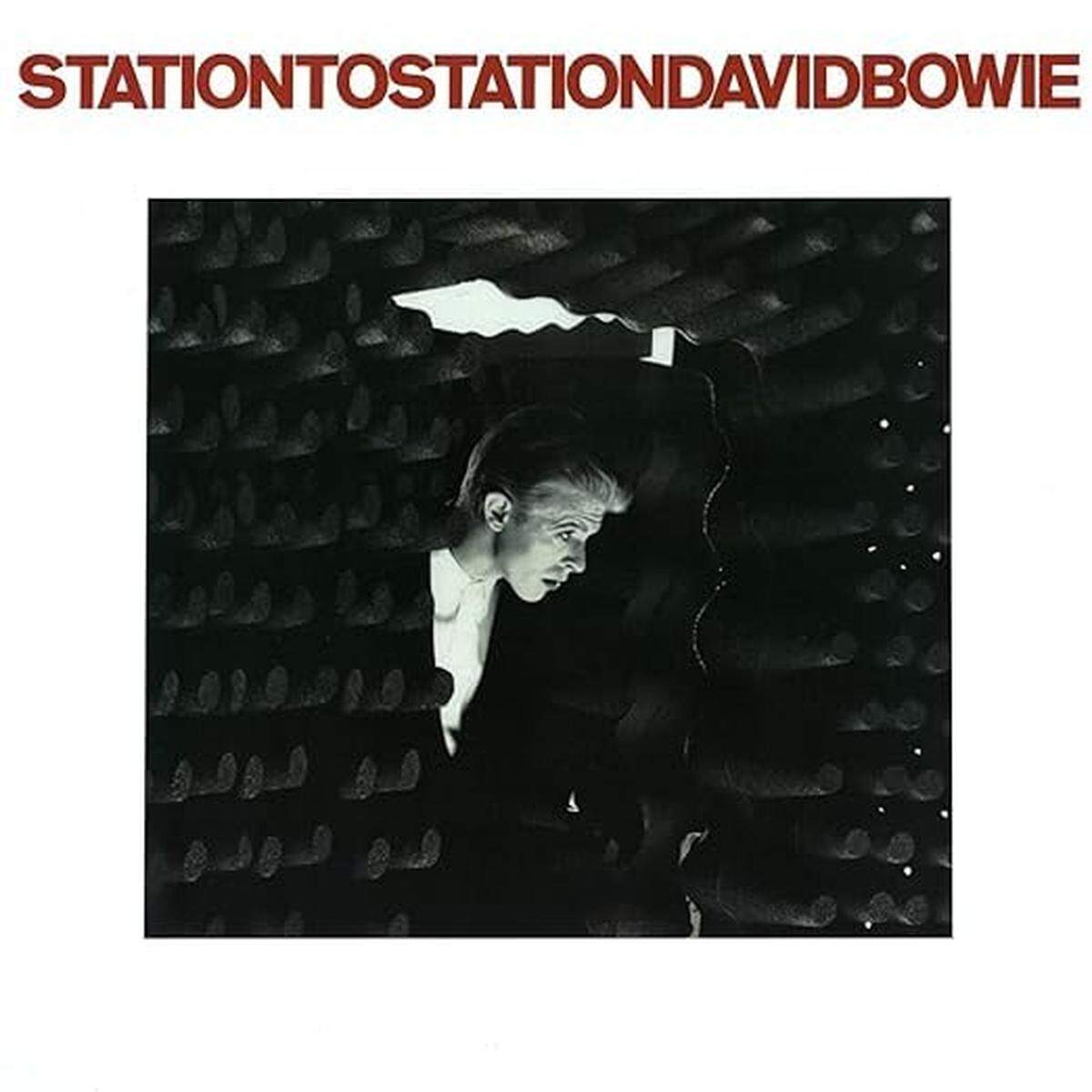
David Bowie — “Station to Station” (January)
“Station to Station” de-glammed the David Bowie of three years earlier and forged a denser, darker and modestly more abstract musical path. Still, pop was not forsaken as hits like “Golden Years” and “TVC 15” revealed. But the 10-minute bullet train ride that makes up the title tune? The cover of the Nina Simone staple “Wild is the Wind” that closes the record? These were steps onto less obvious terrain.
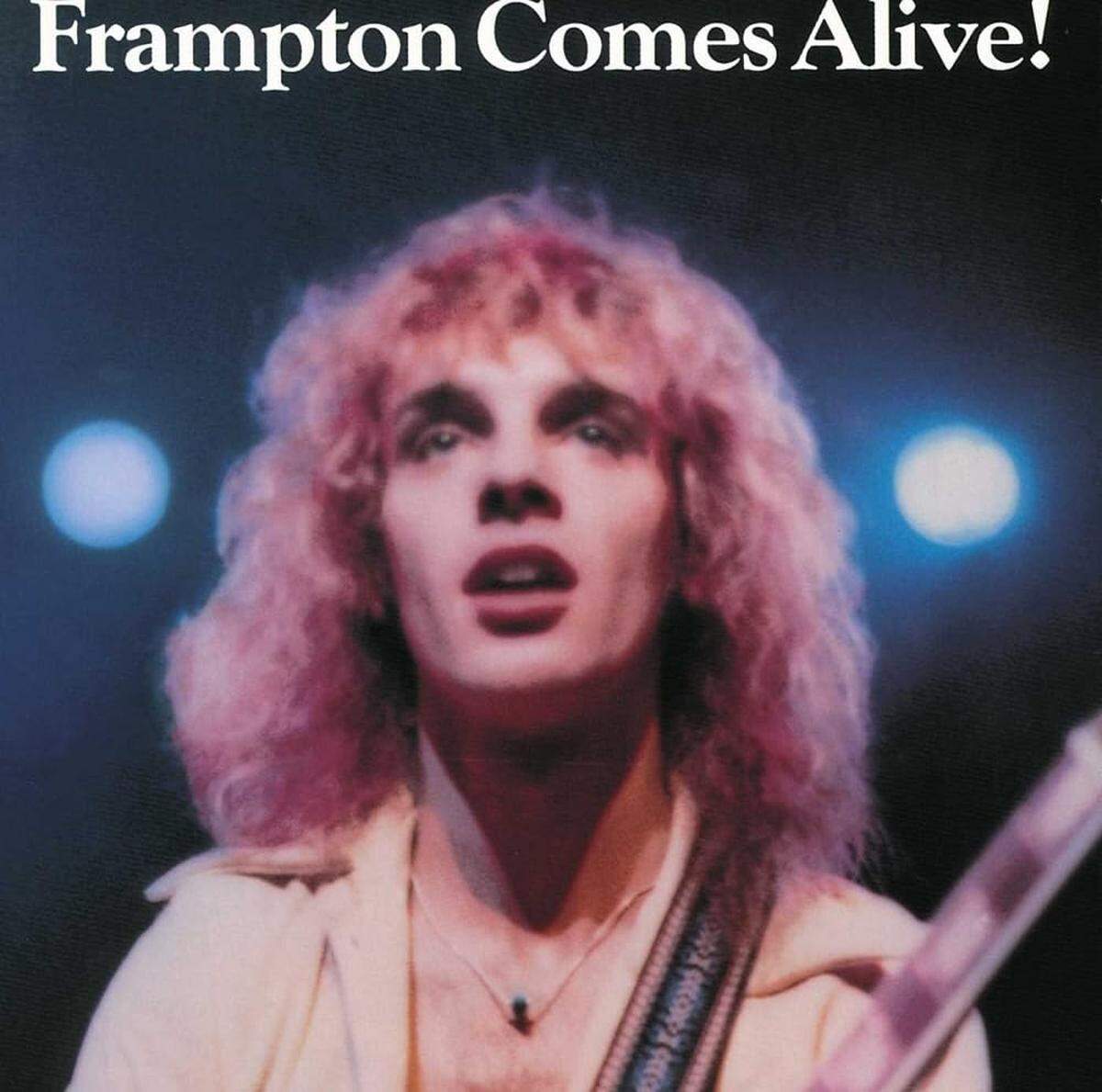
Peter Frampton — “Frampton Comes Alive!” (January/February)
The ex-Humble Pie guitarist was steadily gaining recognition as a solo artist with the four previous studio albums he released since leaving his former band. Proving an audience fondness in the early-to-mid ’70s for live records, the “Frampton Comes Alive” concert rebirth of material from the quartet of albums preceding it became the top-selling record of 1976 and made Frampton an immediate pop celebrity.
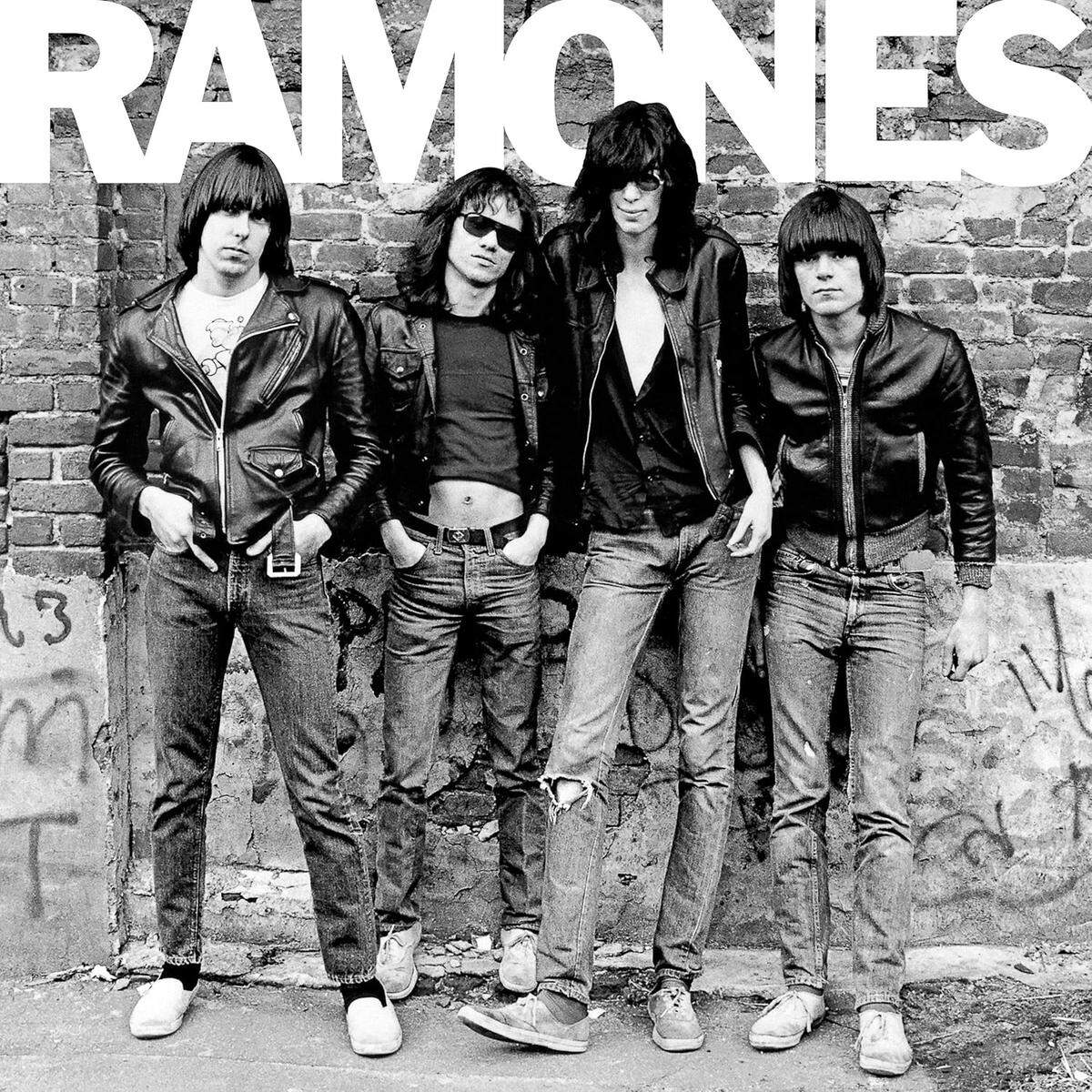
Ramones — “Ramones” (April)
In a year dominated by arena pop-rock and the commercial emergence of disco, the debut album by the Ramones was a coarse, 30-minute kick in the keister. Though branded as a touchstone work in the evolution of punk, “Ramones” was simply a back-to-basics rock adventure. Minimal in design and chord structure, it served songs of unrest, jubilation, humor and even love, yet it sounded new and immediate.
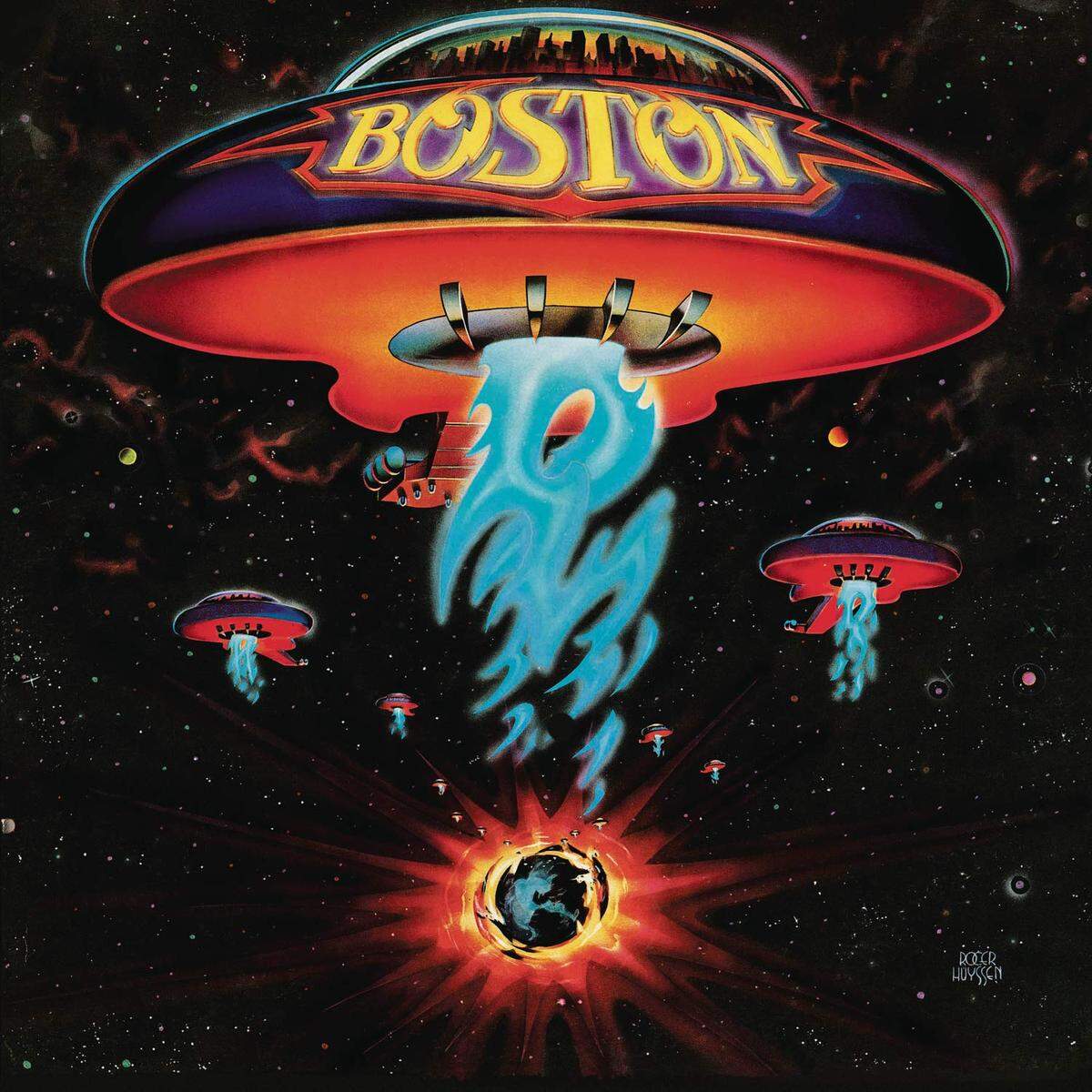
Boston — “Boston” (August)
Was there a rock radio station or college dorm room that wasn’t blasting Boston’s self-titled debut album in 1976? A complete antithesis of the Ramones’ record, “Boston” was slickly and meticulously produced with massive, fuzzed out guitar hooks and the kind of anthemic vocals that served as a blueprint for late ’70s arena rock. The band never fully duplicated this record’s multi-platinum success.
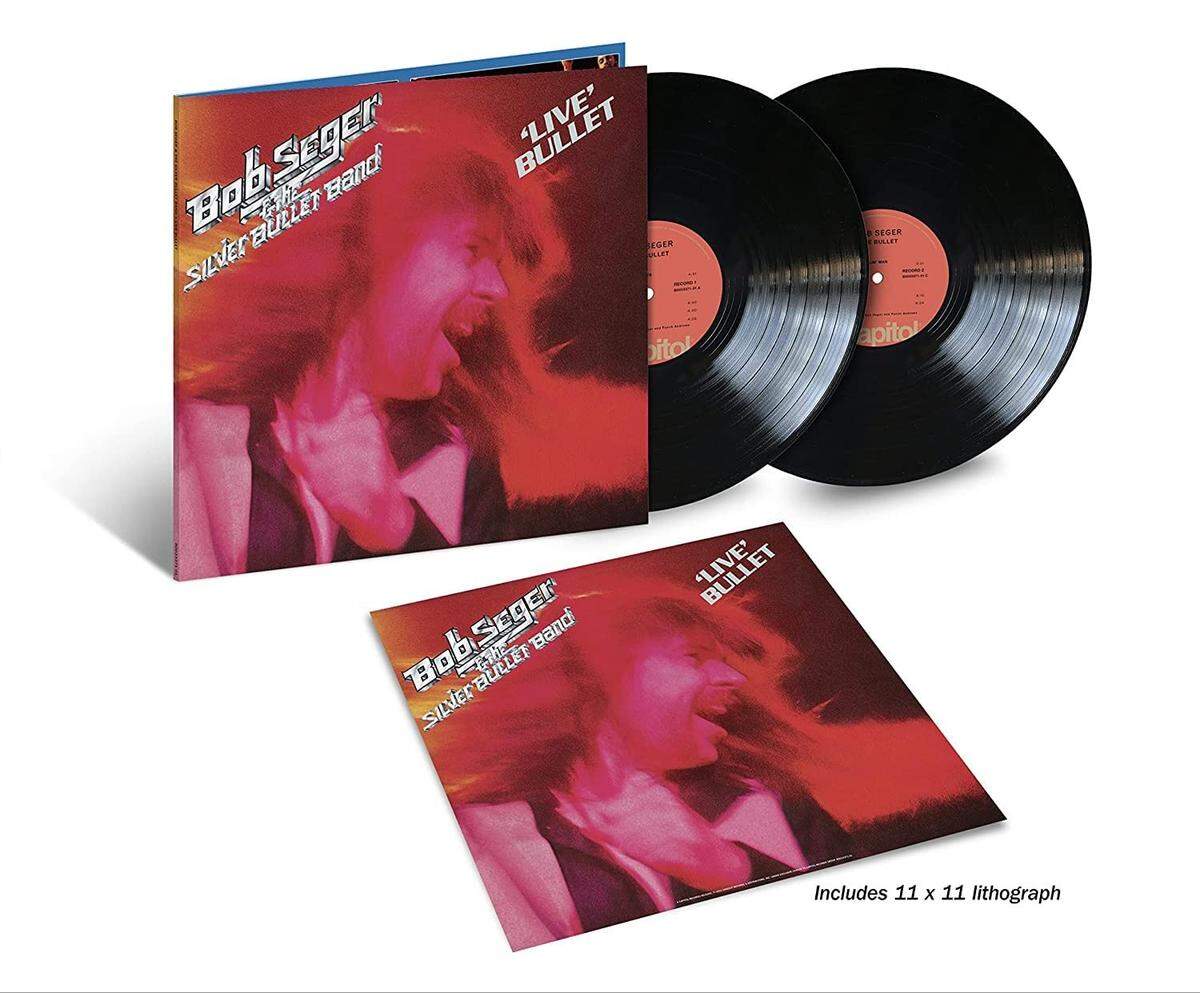
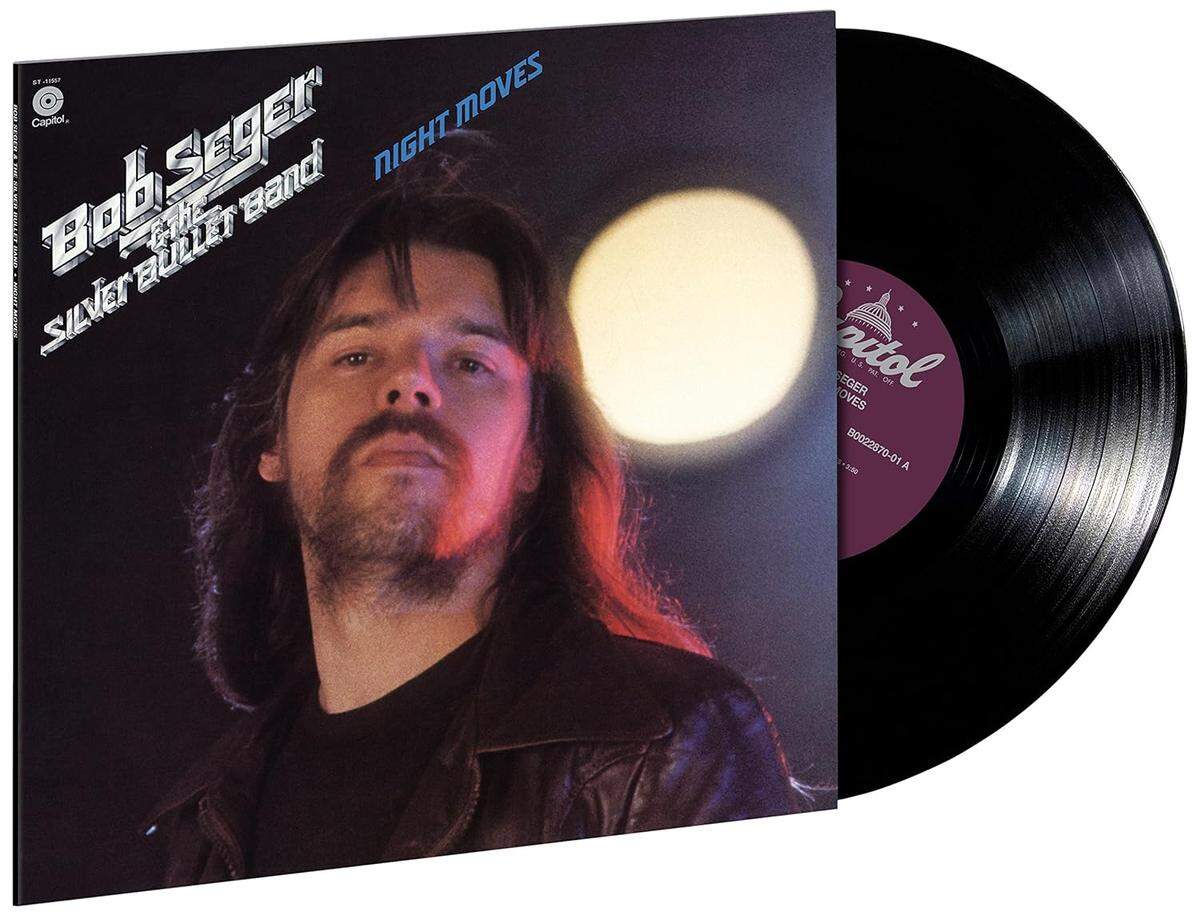
Bob Seger and the Silver Bullet Band — “Live Bullet” (April) and “Night Moves” (October)
After 15 years as a leading voice of Detroit-rooted rock and soul with intermittent blasts of national notoriety, Bob Seger broke through completely in 1976 with two career defining albums released within six months of each other. “Live Bullet” was a concert record overview of Seger’s previous work. “Night Moves” represented a then-current studio snapshot and was quickly devoured by rock radio.
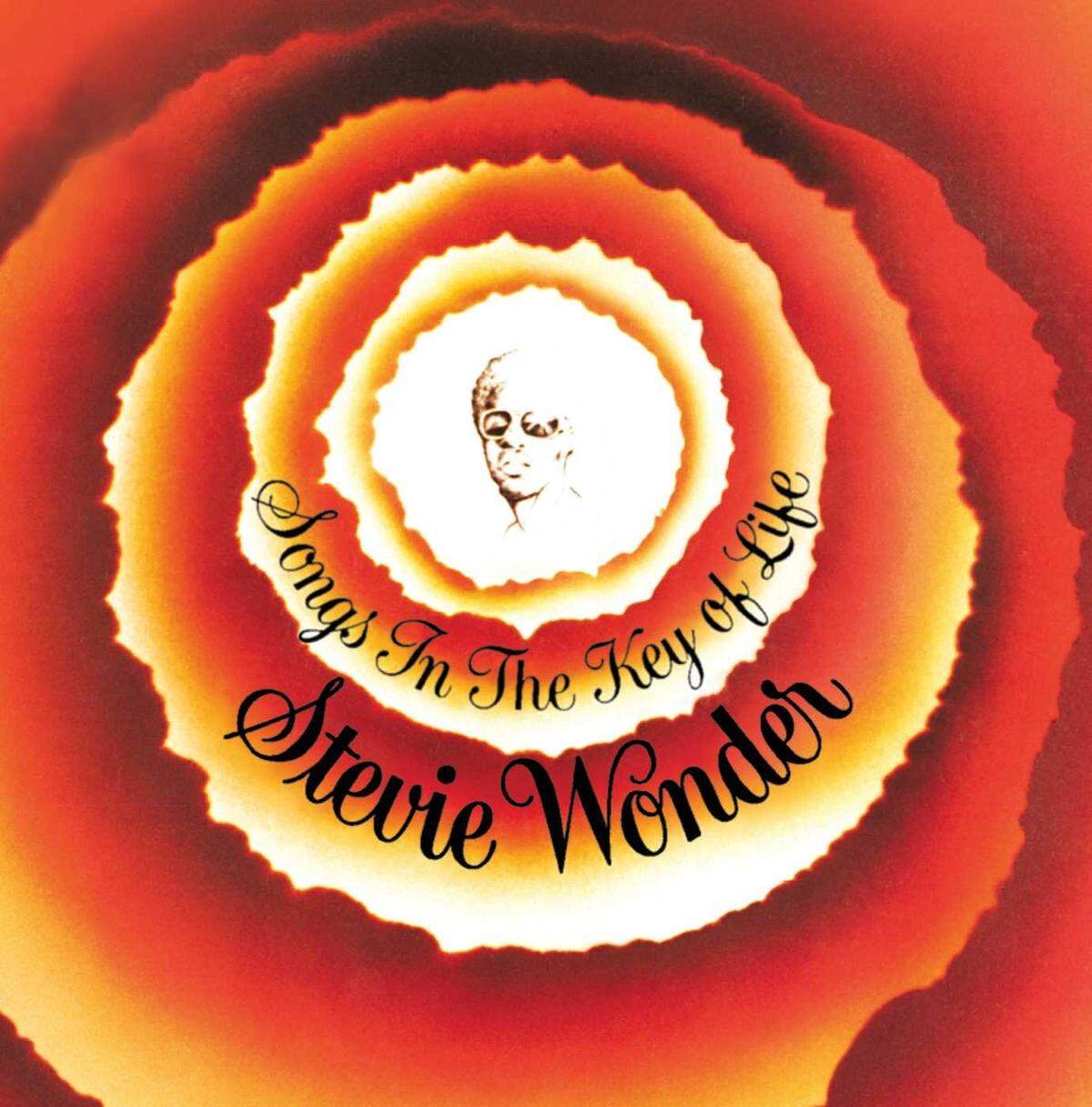
Stevie Wonder — “Songs in the Key of Life” (September)
The 1960s set Stevie Wonder up as one of Motown’s most vigorous pop-soul talents, but the 1970s was when he became a true artist. Each record was more daring, progressive and topical than the one before. “Songs in the Key of Life” was Wonder’s double-album magnum opus — arguably his finest and by far his best-selling work of pop-soul jubilance and robust social consciousness. A total masterwork.
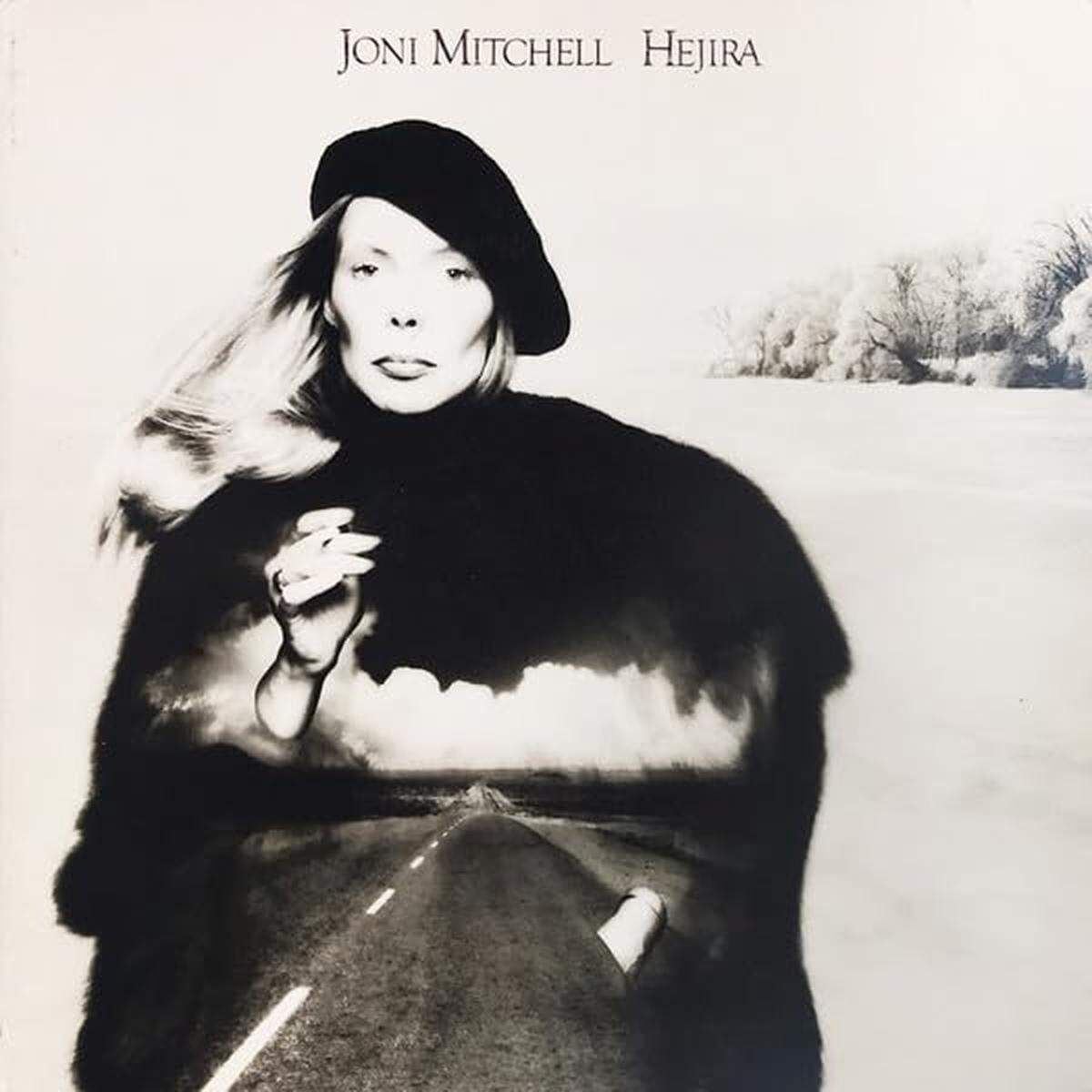
Joni Mitchell — “Hejira” (November)
How deep the impressions left by “Hejira” were upon listeners may depend on which era of Joni Mitchell’s music they were attuned to. Those favoring her early folk records may have found the lean electric jazz settings of “Hejira” offsetting. But to many, myself included, the record boasts a musicality as moving and inventive as her lyrics. Not her best-selling album, but perhaps her richest and most realized.
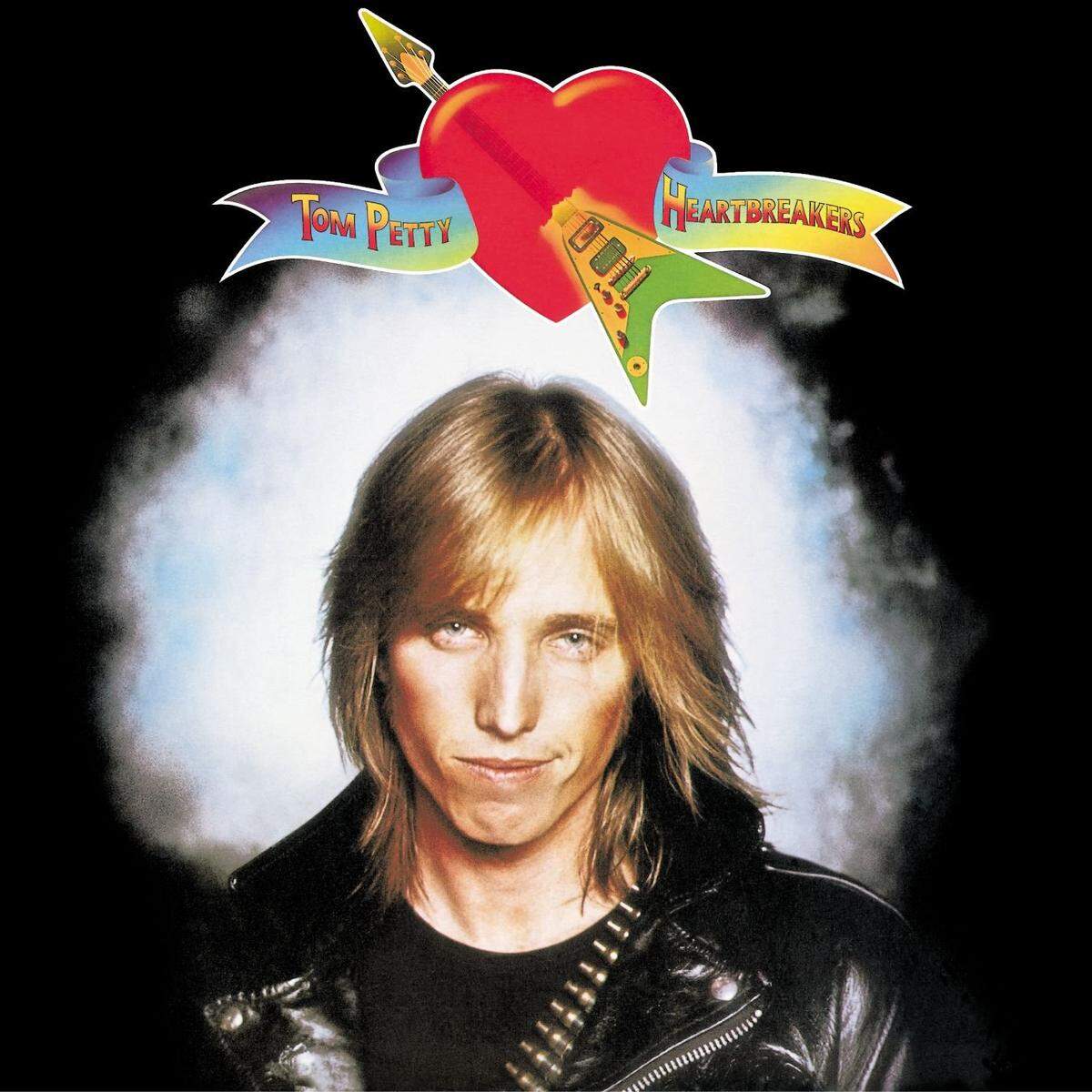
Tom Petty and the Heartbreakers — “Tom Petty and the Heartbreakers” (November)
After their previous band Mudcrutch folded, Tom Petty, guitarist Mike Campbell and keyboardist Benmont Tench began the rock ‘n’ roll journey of the Heartbreakers. Their eponymous debut record, cut quickly after the band’s formation, possessed the immediacy punk audiences sought but with a mainstream accessibility that bolstered radio-friendly anthems like “Breakdown” and “American Girl.”
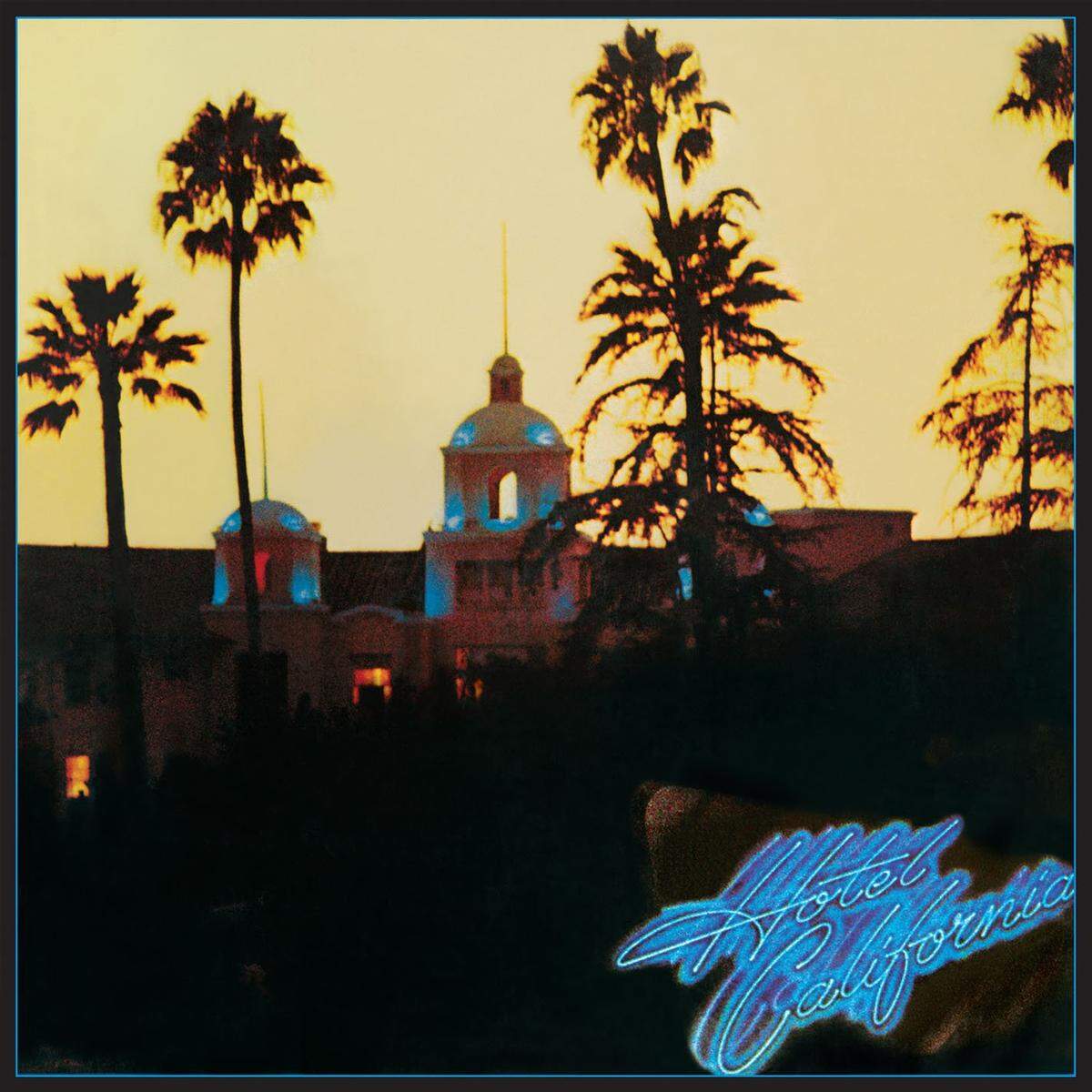
Eagles — “Hotel California” (December)
As with Bob Seger, 1976 was a two-album triumph for the Eagles. Already massively popular, the band issued a greatest hits set in February that now stands as the fourth best-selling album of all time. At year’s end, now with Joe Walsh as a permanent member, came “Hotel California,” a more cosmopolitan brand of the Eagles’ country-rock hit parade. It now stands as the fifth best-selling album of all time.
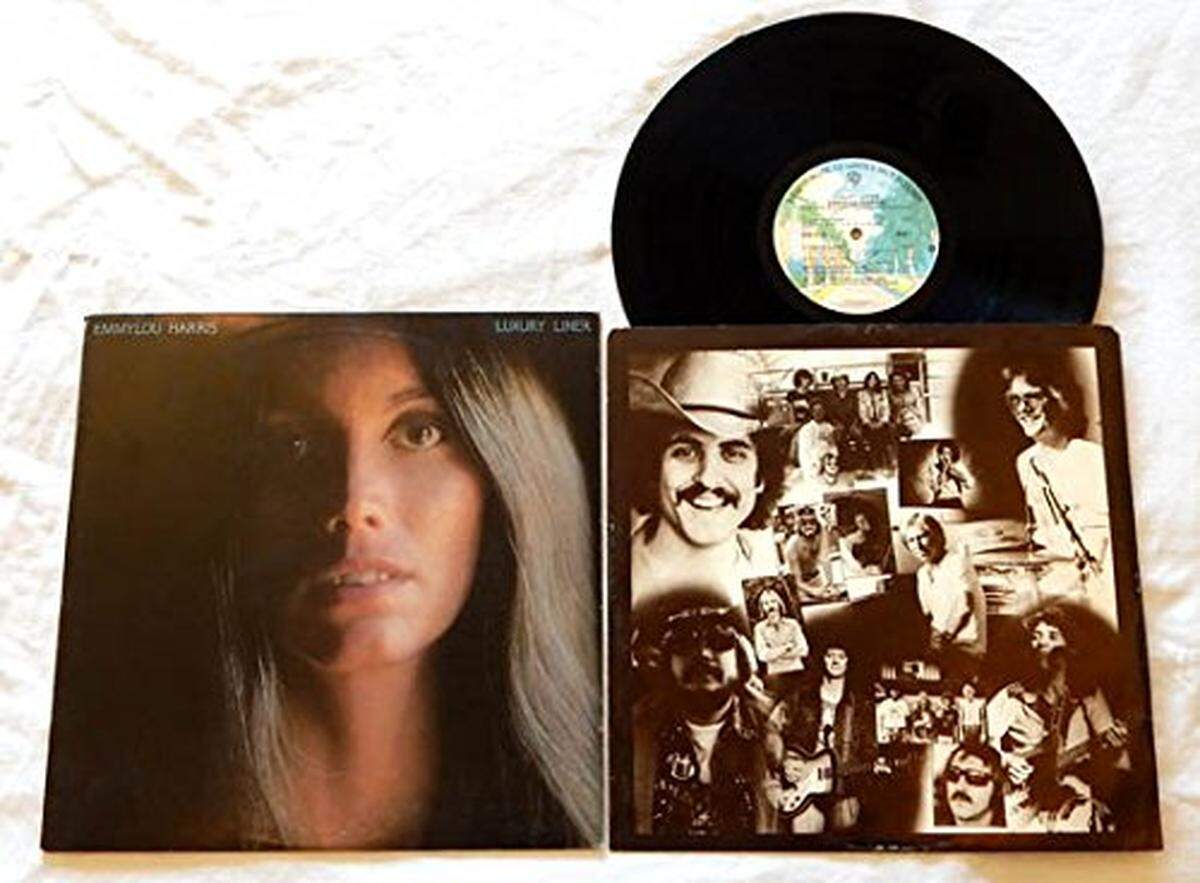
Emmylou Harris — Luxury Liner (December)
With only days left in the year, Emmylou Harris offered up her breakthrough album, a sterling blend of country tradition and so-called new generation “cosmic country.” The material came from masterminds: Chuck Berry, Townes Van Zandt, The Louvin Brothers, mentor Gram Parsons and her own hand (the sublime “Tulsa Queen.”) But Harris’ luscious soprano singing gave it all a stamp of profound originality.
Enforcing what a banner year 1976 was for popular music were these honorable mention recordings:
Lou Reed’s “Coney Island Baby” (the last in Reed’s string of great RCA albums), Genesis’ ”A Trick of the Tail” (the band’s first record with Phil Collins as frontman), Weather Report’s “Black Market” (a jazz fusion classic), Thin Lizzy’s “Jailbreak” (the Irish rocker’s breakout record), Pat Metheny’s “Bright Size Life” (the jazz guitar great’s debut record), Boz Scaggs’ “Silk Degrees” (the disco-pop reinvention of a blues strategist), Bob Marley and the Wailers’ “Rastaman Vibration” (the commercial confirmation of reggae music’s mounting popularity), Warren Zevon’s self-titled debut album (the introduction to a songwriting renegade), Steve Miller Band’s “Fly Like an Eagle” (the record that put the guitarist back on the charts for good), Jeff Beck’s “Wired” (more landmark fusion music from the British guitar giant), Gordon Lightfoot’s “Summertime Dream” (the album that gave us “The Wreck of the Edmund Fitzgerald”), Graham Parker and the Rumour’s “Howlin’ Wind” and “Heat Treatment” (the first albums from the lauded British rocker), Linda Ronstadt’s “Hasten Down the Wind” (the third of Ronstadt’s five career defining albums for the Asylum label), Tom Waits’ “Small Change” (Waits’ fourth record of poetically streetwise cool), Earth Wind & Fire’s “Spirit” (the record that made “September” a seasonal soul-funk classic), Chick Corea’s “My Spanish Heart” (a double album of Corea’s electric and acoustic jazz ingenuity), Frank Zappa’s “Zoot Allures” (the lone studio work by one of the guitarist-composer’s greatest bands) and Jackson Browne’s “The Pretender” (a grand Southern California portrait of life, love and loss.)