
Big changes for Lexington arts venues, organizations amid post-COVID recovery
As Lexington enters the latter part of its first normal, for the most part, arts season since 2018-19, significant changes are afoot at some of the city’s most prominent arts institutions. Both of Lexington’s leading performing arts venues have new leaders, and the city’s flagship arts organization will have undergone a complete change in leadership by the end of the season.
Here’s a look at some of the most prominent people coming and going, and their thoughts in their times of transition.
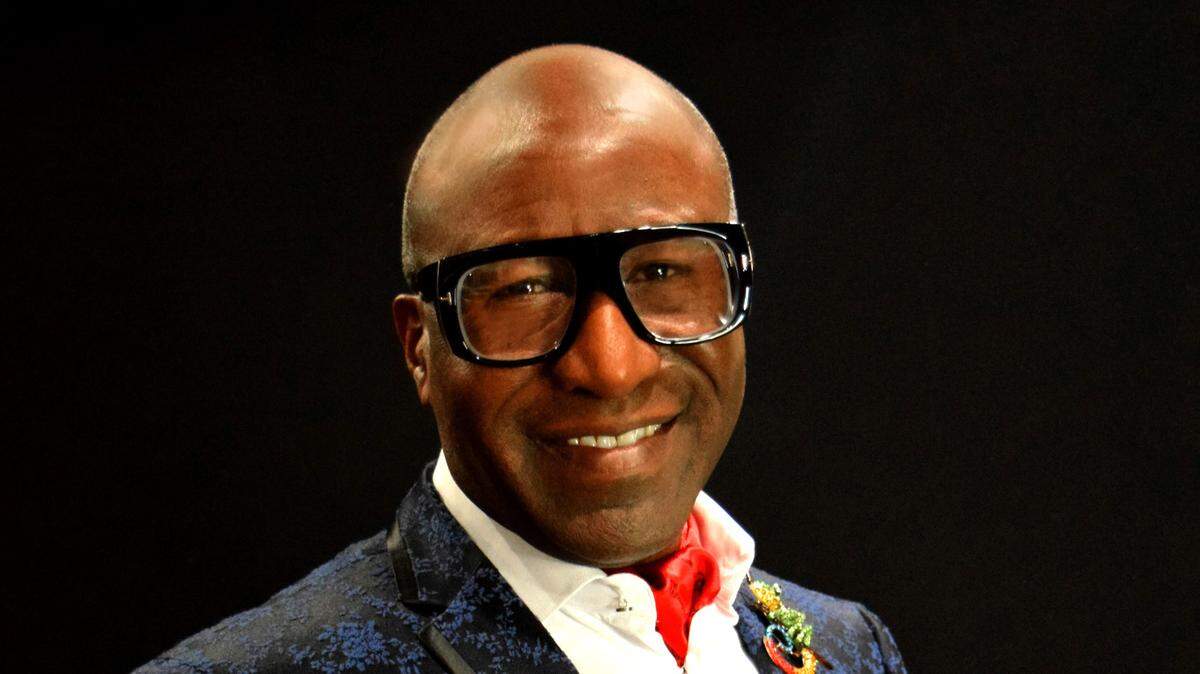
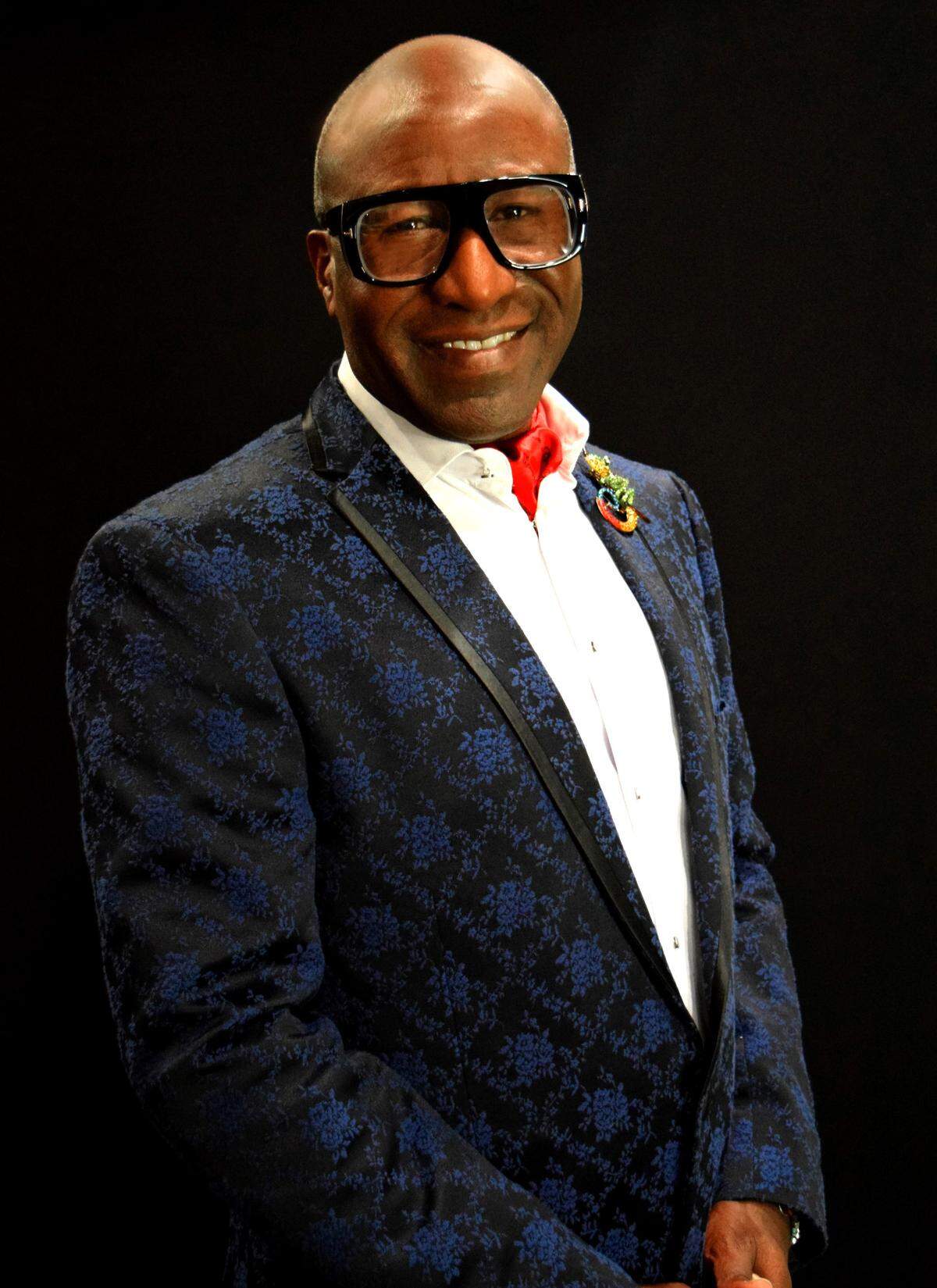
Edd MacKey — Lexington Opera House
The Lexington Opera House has named Edd MacKey, its house manager for nearly five years, as its new manager of national and local arts. MacKey succeeds Luanne Franklin, who retired in November 2022 after a two-decade tenure that saw a vast expansion of the venue’s offerings, particularly in the Broadway Live series of national touring productions, and a more than $2 million renovation that made the 137-year-old facility much more hospitable to performers and patrons.
Franklin’s tenure ended with the busiest year in Opera House history, with 166 performances on its stage, and things don’t seem to be slowing down as MacKey’s tenure begins.
“Our event calendar is very, very full,” MacKey said, citing OVG360, the management company that oversees Rupp Arena and is also bringing national touring acts to the Opera House. “They see that there are a number of performers who love the intimacy of a venue our size, less than 1,000 seats. So, they are targeting these performances, entertainers, bringing them into Lexington, and so we’re seeing performers and artists that otherwise, you would not have seen.”
One of the big bookings he cites was December’s multi-night stand by Comedian Leanne Morgan, who filmed her upcoming Netflix special at the Opera House. Comedy, he notes, has become a big part of the Opera House’s lineup with comics such as Nikki Glaser, Bored Teachers, Lewis Black, and Trae Crowder on the schedule.
But the Opera House is also the stage for more than 20 local arts groups, MacKey notes, and continuing and expanding that support for local artists as well as building on educational opportunities such as the Broadway Buddies program are on his agenda.
“There’s so much more that we can do in terms of the arts, and so we want the Opera House to be the stage for Central Kentucky,” said MacKey, who comes to this role in addition to other posts such as vice president of the Chamber Music Festival of Lexington and serving on the Lexington Public Art Commission. “With my love for the arts, and my involvement in the community with other non-profits and whatnot, it was just a prime opportunity to do this.”
Matthew Gibson — Singletary Center for the Arts
Like the Lexington Opera House, the Singletary Center for the Arts found its new director in-house. Matthew Gibson, the University of Kentucky venue’s manager of marketing and ticketing since 2014, is only the third director in the 43-year-old center’s history, succeeding founding director Holly Salisbury and Michael Grice, who retired after 15 years in the role in April 2020.
.jpg "Matthew Gibson headshot 2021 med (1).jpg")
At that time, the center was closed due to the COVID-19 pandemic and a search for Grice’s successor was closed without appointing a new director. Belinda Rubio, assistant dean in the College of Fine Arts served as interim director, and the Singletary Center explored how to present programming in a performing arts venue when no audience was in the facility, which includes the 1,467-seat concert hall and 381-seat recital hall.
As the ticketing manager, Gibson was in the demoralizing position of having to refund five months worth of tickets in the Spring of 2020 as the pandemic hit and the center closed. The following school year brought the challenge of presenting student performances safely and without an in-person audience.
As gratifying as it was to learn new ways of engaging audiences, Gibson said there was nothing like welcoming them back as restrictions lifted.
“The first time, to hear a full house all applauding together, just sent chills down my spine,” Gibson said. “I had never gone so long in my whole professional career without hearing that sound.”
And now he is in-charge of the house.
Gibson said he looks forward to continuing the Center’s longstanding relationship with the UK College of Fine Arts, particularly the School of Music, as well as collaborating with community groups including the Lexington Philharmonic Orchestra and the Central Kentucky Youth Orchestras.
“The Singletary Center is such a special and important place in Lexington,” Gibson said. “It just does so much to enrich the arts community here that I felt a calling to get involved in Singletary and felt like it was a place where I could make a real positive impact on our cultural scene.”
Allison Kaiser — Lexington Philharmonic
As Gibson and MacKey start their tenures, along with the Lexington Philharmonic’s new music director, Mélisse Brunet, the orchestra’s executive director Allison Kaiser is preparing to bow out at the end of this season.
“When you have dedicated your life and career to working in this kind of an environment, it doesn’t always leave room for a whole lot of other things,” said Kaiser, who came to the Philharmonic in 2010 from a comparable post at the Lexington Art League. “At this stage in my own personal life, I have to give time to some other priorities.”
Kaiser said Brunet’s historic appointment as music director, the other top spot in the Philharmonic’s co-leadership structure, simultaneously gives her second thoughts about leaving because she is excited about Brunet’s vision for the orchestra, but she is also confident she is leaving it in good hands.
Kaiser’s tenure began shortly after Scott Terrell became music director in 2009, and they saw the Philharmonic through significant seasons of change, broadening things such as the repertoire and the very model of performances. During an interview, Kaiser returned several times to the Philharmonic’s role in and engagement with the community.
“How does an orchestra best serve Lexington is the question that we always have top of mind,” Kaiser said. That line of thinking became even more acute as she and the orchestra’s staff navigated the simultaneous impact of the pandemic and the music director search that was extended by the pandemic.
And as Kaiser departs and the orchestra prepares to look for a new executive director, the community is on her mind.
“Lexington has something very special in that it has had this constant undercurrent of creativity and enthusiasm,” Kaiser said. “What we haven’t had to the scale to fully recognize or realize all of this amazing vibrancy is the resources. And I hope that Lexington can continue to build its understanding that this kind of vibrancy — it’s hard to identify as a finite thing — but it is an energy and a vibrancy that we have had and we need to continue to support.
“I just hope that Lexington can continue to find new and bigger ways to support the growth of the arts, because it’s important across all sectors.”
This story was originally published February 22, 2023 at 10:22 AM.