
Reality show 'Coal' sheds light on miners' work, lives
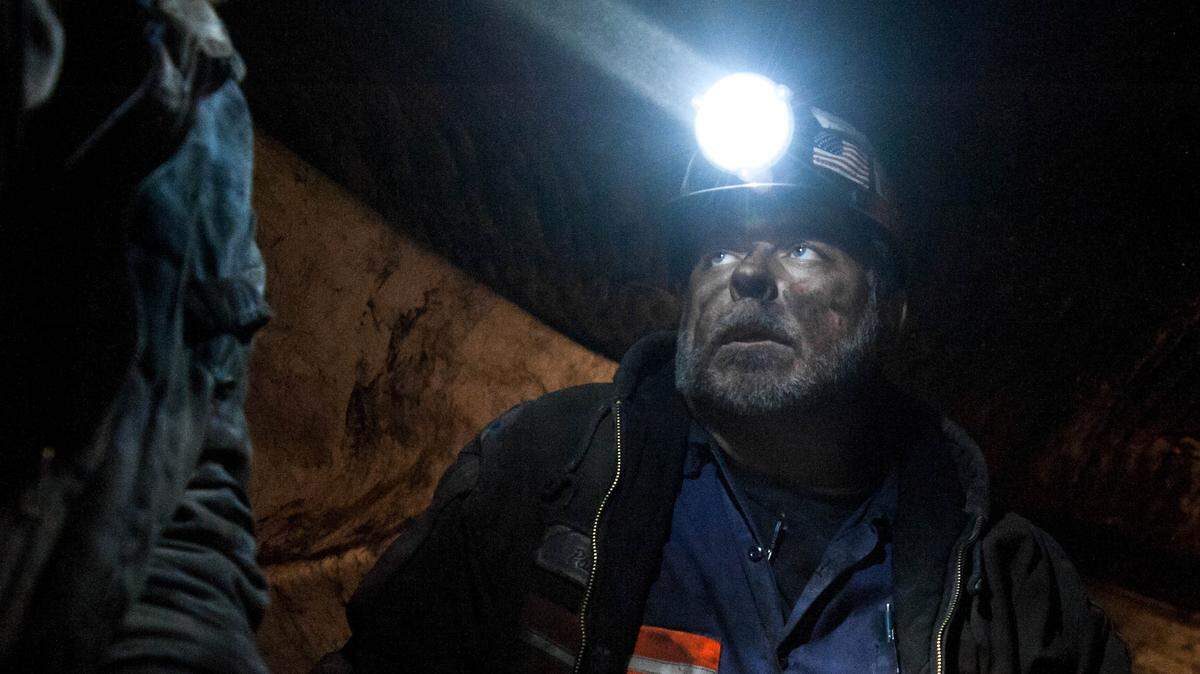
Last fall, the world watched, riveted, as 33 Chilean miners were pulled to safety after 10 weeks underground. Days later, cable network Spike announced Coal, a new series about coal miners in West Virginia, where 29 miners had died in an explosion just months earlier.
The announcement was timely, but creator Thom Beers had been trying for four years to get his cameras into a coal mine. He finally found a willing venue in the Cobalt mine in Westchester, W.Va., and the result is Coal, which made its debut Wednesday. (The premiere episode repeats Friday and several other times.)
"Nobody's actually ever been in these holes," Beers said when Spike introduced the series and its cast to TV critics in Los Angeles. "So this is an opportunity for us to open up to something, to a bunch of guys who risk their lives day in and day out, throughout their lives to after their retirement, (when) you know they're still feeling the effects of this."
Searching for a venue for the series he envisioned, "We got offered mines, but they were big mines and big corporations," Beers says. "And to me, as you know from our shows in the past, it's all about personal stakes."
Beers' shows include Discovery's Emmy-winning Deadliest Catch (returning April 12), about crab fishermen in the brutal Bering Sea, and History's Ice Road Truckers, which followed drivers hauling supplies over treacherous frozen lakes. Also on the list are Gold Rush: Alaska, which wrapped up its second season on Discovery in February, and TruTV's Black Gold, about roughneck oil drillers in Texas.
The men of Cobalt Coal Corp.'s mine in McDowell County, W.Va., work on hands and knees in a vein about 30 inches high. "Can't even stand up," says miner Lonnie Christian Sr.
The miners, many of whom come from families that have long mined coal, are used to it. The Coal camera operators, however, "went through a lot," Beers says.
"We went through 80 hours of underground training," producer Eric Lange says. "All the shooters and all the producers that are working in the mines have our miner's card, so if Thom ever kicks us to the curb, we can always pick up a job in the coal mine."
Cobalt employs just 40 people, including miners and support staff. The series tells the stories of some of them, and co-owners Mike Crowder and Tom Roberts.
Crowder and Roberts "have got personal stakes," Beers says. "It's not a faceless big corporation." In the mine, "all they're trying to do is bring that coal out and survive another day, and get paid and put food on the tables for families."
For most, choosing to work in the mines is an economic necessity, says miner Robert Jerry "Wildman" Edwards.
"If you want your kids to grow up poor and not have nothing, you can get you a job working at Wal-Mart," he says. Otherwise, "you work in the coal mine."
Watching the miners work in that claustrophobic tunnel, viewers should always remember "that more than 50 percent of all the energy, so half of the light bulbs in (the country), are lit by coal," Beers says. While waiting for alternative energy sources to become viable, "there's still a massive need for energy in this country. ... These are the guys that put the light in those light bulbs. So, in essence, this is the very root, the very genus of what made America great."
This story was originally published April 1, 2011 at 12:00 AM with the headline "Reality show 'Coal' sheds light on miners' work, lives."