
Spring has sprung: Grow your own vegetable garden with tips from UK’s extension office
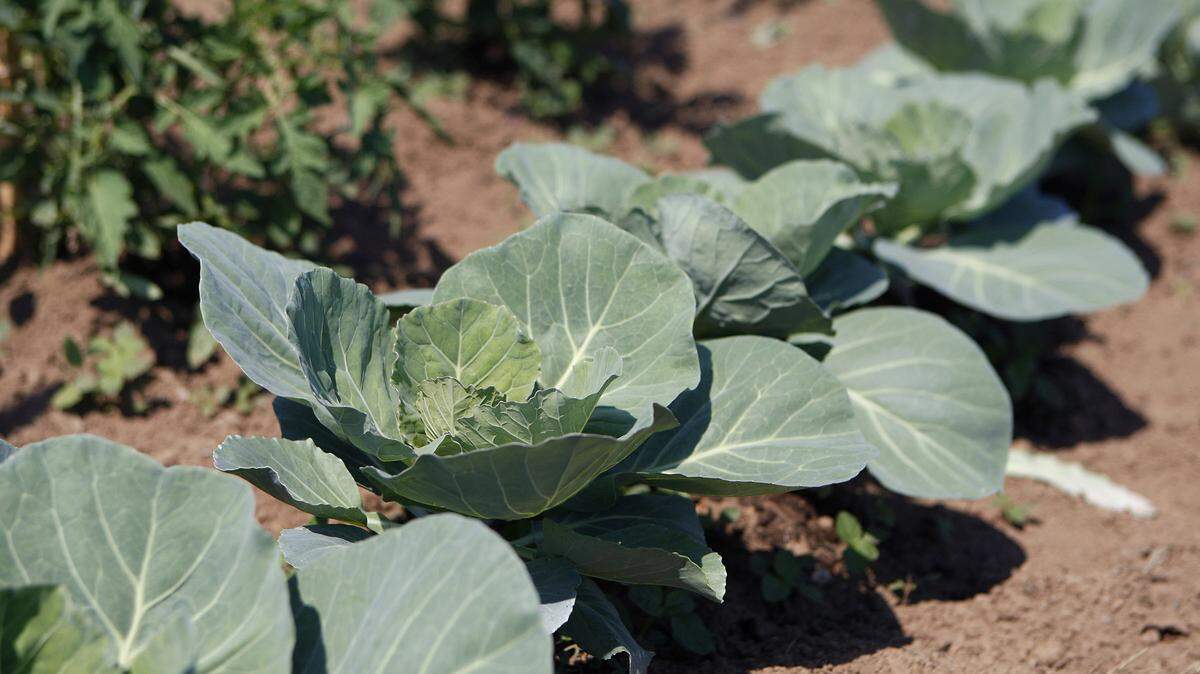
There’s a dizzying array of decisions confronting the budding gardener: What to plant? How much? Where?
So if you’ve been eyeing that spot in your backyard – or maybe you don’t even have one – the Herald-Leader has you covered with tips about how to grow your garden this spring and summer, sourced from the experts at the University of Kentucky’s Cooperative Extension office.
How to start a vegetable garden
To get started growing your garden, the basic steps should go like this, according to the UK’s guide to “Home Vegetable Gardening in Kentucky.”
1. Make a plan before you do any gardening. Get out a sheet of paper and pencil and make a sketch of your garden. There are also countless free tools available online, but what’s most important is to get a picture of what you’re growing and where it’s situated in your garden.
If you’re planting straight into the ground, a 10-foot by 10-foot garden (100 square feet) is manageable size for beginners, according to Almanac.com. You should pick three to five of your favorite veggies and buy three to five plants of each one.
If planting in a raised bed, a 4-foot by 4-foot or 4-foot by 8-foot plot is a good beginner size. Almanac.com also has a Raised Garden Bed Guide, which covers the benefits of raised beds, how to build one and what type of soil to fill it with.
The UK Cooperative Extension recommends planting any perennials – like rhubarb, chives and horseradish – on one side of the garden since they can produce for up to 12 years.
Tall plants such as sweet corn, tomatoes and pole beans should be planted on the north or west side of the garden, where they will not shade smaller vegetable crops. However, summer lettuce should be grown in a partially shaded area if possible.
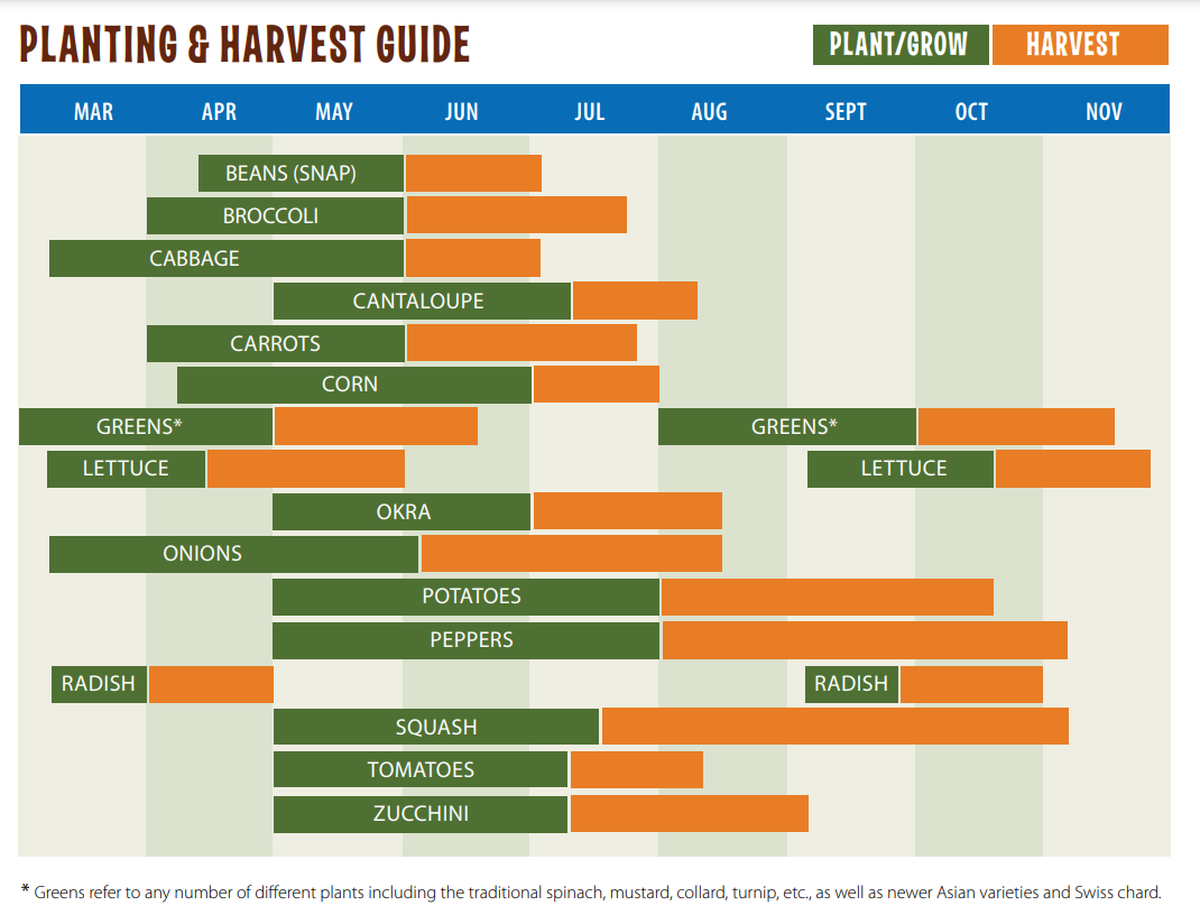
A note about going the organic route: You can also choose to avoid using toxic and persistent pesticides and replenish the life of the soil in your backyard with organic growing practices. It requires you to be mindful and manage toward that goal.
You’ll come to rely on simple practices like regularly scouting your garden for pest or disease issues and closely looking after the life of your soil by using compost, crop rotation and cover crops, for example.
Make sure to check UK Cooperative Extension’s guide to “Home Vegetable Gardening in Kentucky” for organic gardening alternatives sprinkled throughout.
2. Pick the right spot for your garden. UK’s Cooperative Extension Services recommends avoiding the following pitfalls:
Generally, pick a spot that is in full sun for at least eight hours each day, relatively level, well drained, close to a water source, dries quickly from morning dew and is near your home. You’ll be more likely to keep up your garden if you can see it from your home.
Avoid putting the garden in a low spot, at the bottom of a hill or at the foot of a slope bordered by a solid fence.
If possible, choose an area with a southern or southeastern exposure.
Plant your vegetables away from buildings, trees and other objects which would shade them.
Skips spots that are too windy.
Inspect the spot to check for drainage issues, and avoid areas that stay soggy for too long after a rainfall.
Look for soil that nourishes lush plant growth, even if it’s covered in dark green, sturdy weeds – though do make sure to plant away from trees as their roots can compete with your vegetables. Generally, look for loamy soil or clays.
Remember, the closer your garden is your back door, the more likely you are to keep it up. You can see when your crops are at their peaks and take maximum advantage of their freshness. Also, keeping up with planting, weeding, watering and pest control will be easier.
3. Prepare your soil properly. Few spots will have everything to offer, but vegetable crops will tolerate variable soil conditions and still produce pretty well, according to UK Extension Services.
It’s better to think of soil management as a long-term endeavor, often taking several years. This is why it’s important to have a solid understanding of what you’re working with. The poorer the soil, the longer it will take to get good results and the more likely you may get discouraged and give up entirely.
Your first step should be to take a soil sample and get it tested at your local UK Cooperative Extension office.
To take a soil sample, take a spade and push it 7 inches into the soil and toss the soil aside. Then, take another 1-inch slice of soil from the back of the hole the full depth of the hole. Remove all the soil but the central 1- to 2-inch wide core. You then place this core sample in a clean bucket.
Repeat this procedure in different spots to get a good sample of the soil composition in your garden. Get about 2 cups worth of soil.
You’ll then want to mix the composite sample well and put it on some paper to dry out for about two days at room temperature. After that, it’s ready to bring to the extension office for testing.
Check with your local UK Cooperative Extension office for prices, but they’re typically pretty cheap. At Fayette County’s office, for example, there’s a fee of $7 for a routine test.
The cost of the soil test, which varies with the number of elements tested, will be returned to you many times over in savings of fertilizer and in the production of high yields and quality produce, according to the cooperative extension.
Once you have the results, they’ll help inform your next steps – including whether you might need to enhance the soil quality with some fertilizer or compost, if you’re going the organic route.
This story was originally published March 22, 2022 at 3:05 PM.