Disco distillery: New Kentucky bourbon, helmed by industry vets, leans into fun
AI-generated summary reviewed by our newsroom.
- Potter Jane opened a $50 million Kentucky distillery and emphasizes playful branding.
- Founders bring 50 years of distilling experience and commit to traditional methods.
- Business model mixes slow-aging flagship bourbon, contract work and long-term growth.
Kentucky bourbon distilleries often play up their storied pasts, highlighting landmark structures and prestigious names.
Potter Jane, a new $50 million distillery in Western Kentucky that filled its first barrels earlier this year, leans in a different direction.
It’s fun.
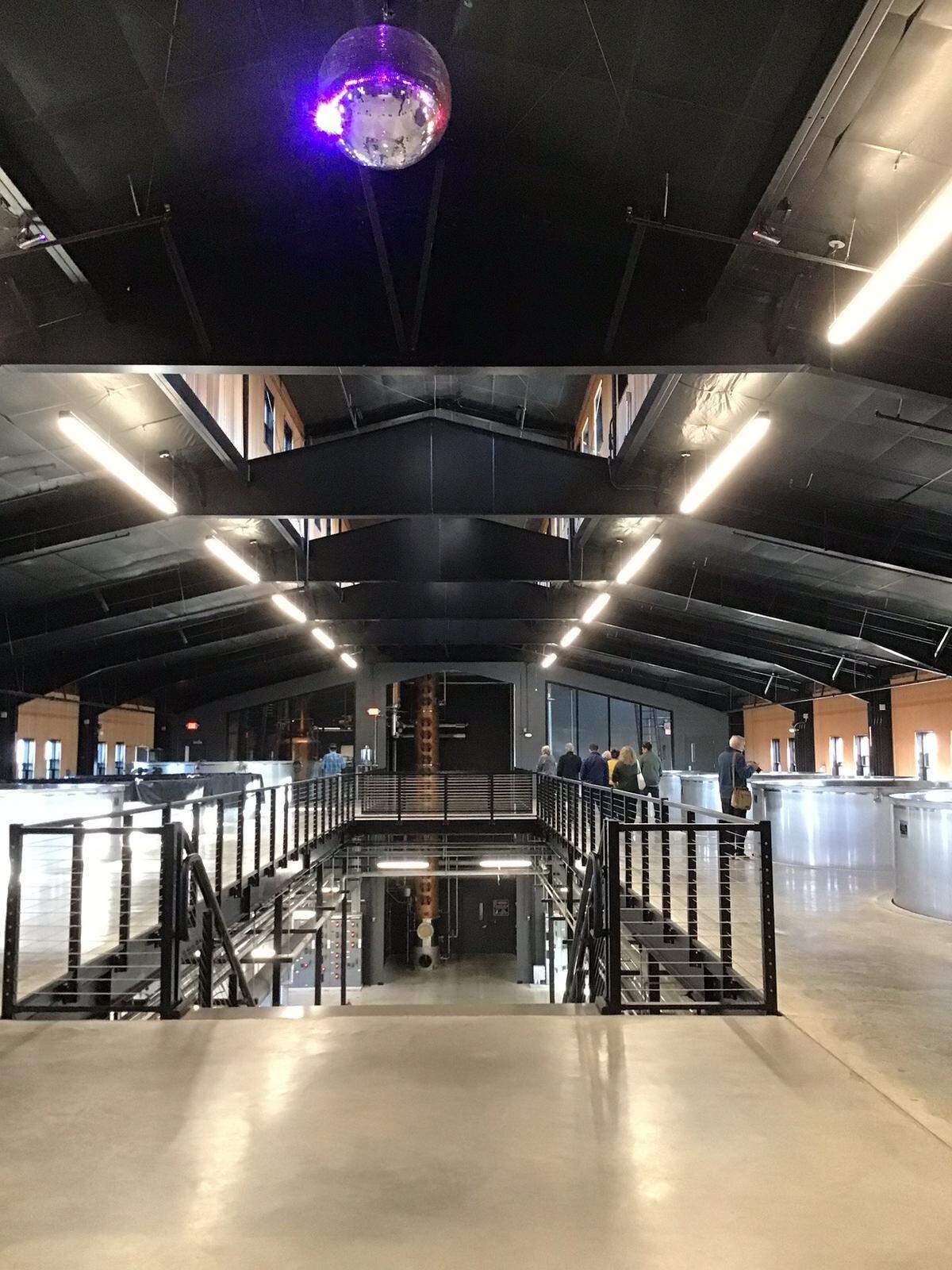
The team takes turns picking out a daily playlist for the speaker, which has pulsing lights. And you might even catch co-founder Denny Potter roller skating past the vats of fermenting mash under a disco ball, according to co-founder Jane Bowie.
“The industry is very serious sometimes,” Potter said. “And that is just not who Jane and I are.”
But don’t get it wrong: Potter and Bowie have a combined 50 years in the distilling business — Potter at Jim Beam, Maker’s Mark, Cruzan Rum, Heaven Hill and Maker’s Mark again; Bowie at Maker’s Mark — and it shows. Just not in the ways many bourbon fans are used to seeing.
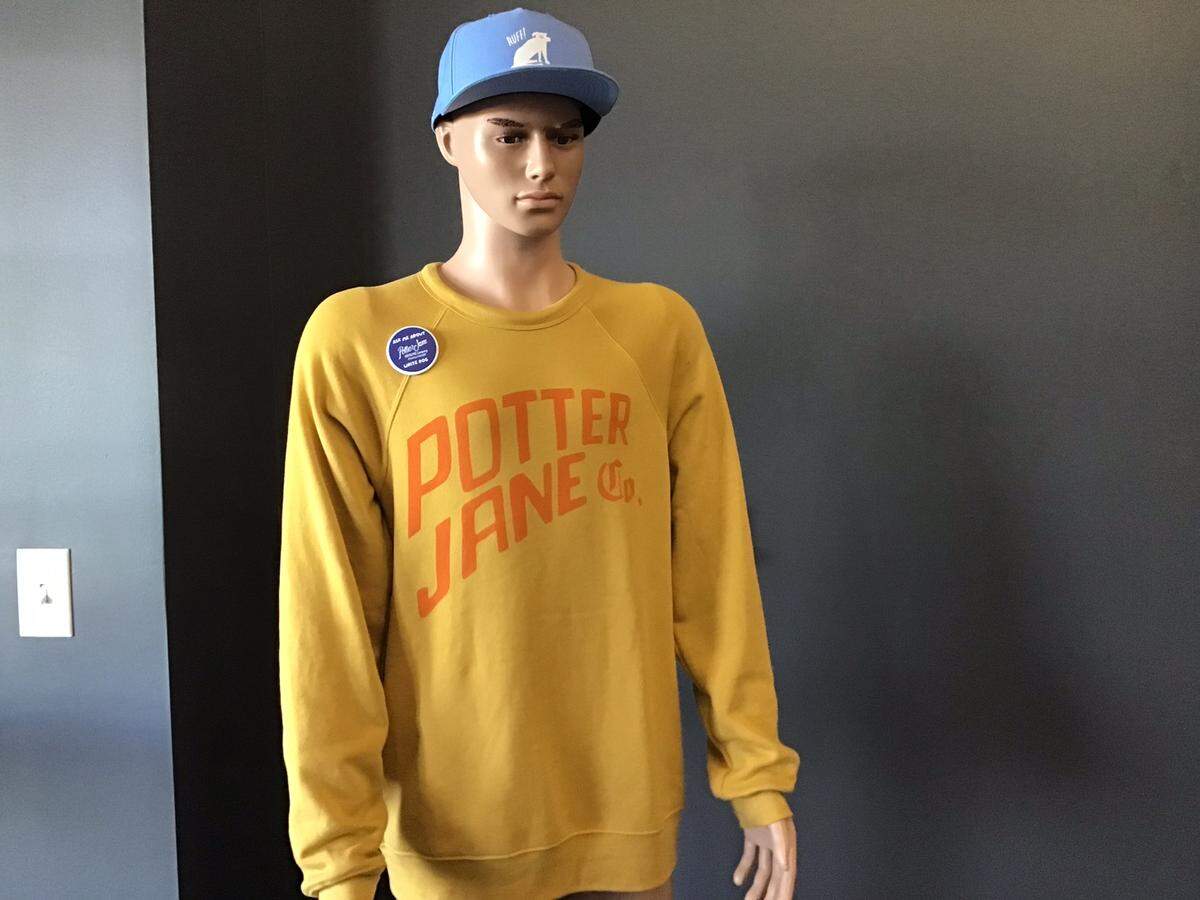
“The whiskey vision was very easy. The brand ... you’re going to see a lot of ridiculousness, probably,” Bowie said, pointed to a mannequin wearing Potter Jane merchandise but no pants.
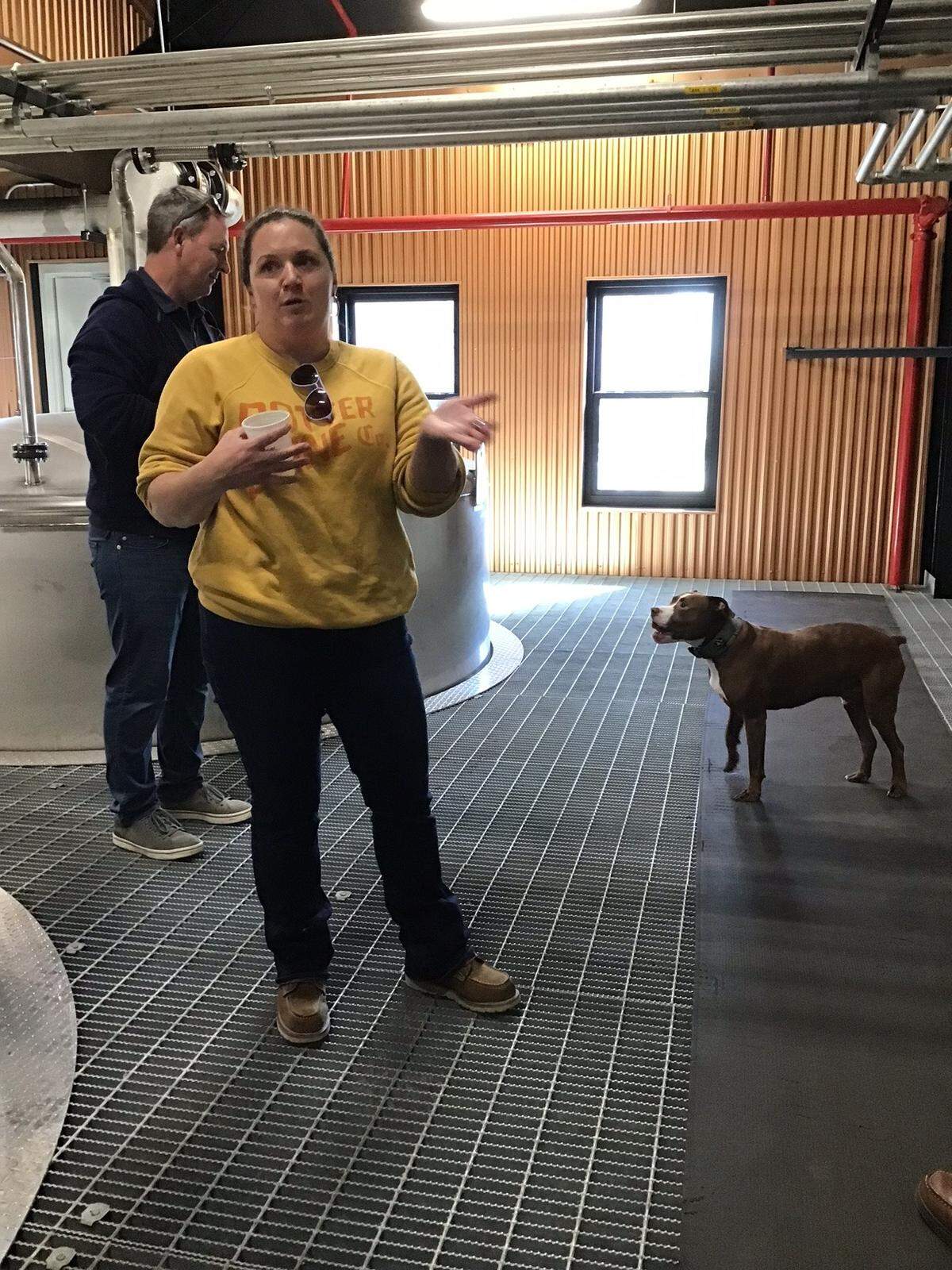
Their new distillery in an industrial park just outside Springfield is unpretentious, but designed to their exacting standards.
“You’re not going to see anything new,” Bowie said as she led a group of journalists around. “It just is really fundamental whiskey-making done to the best of our ability.”
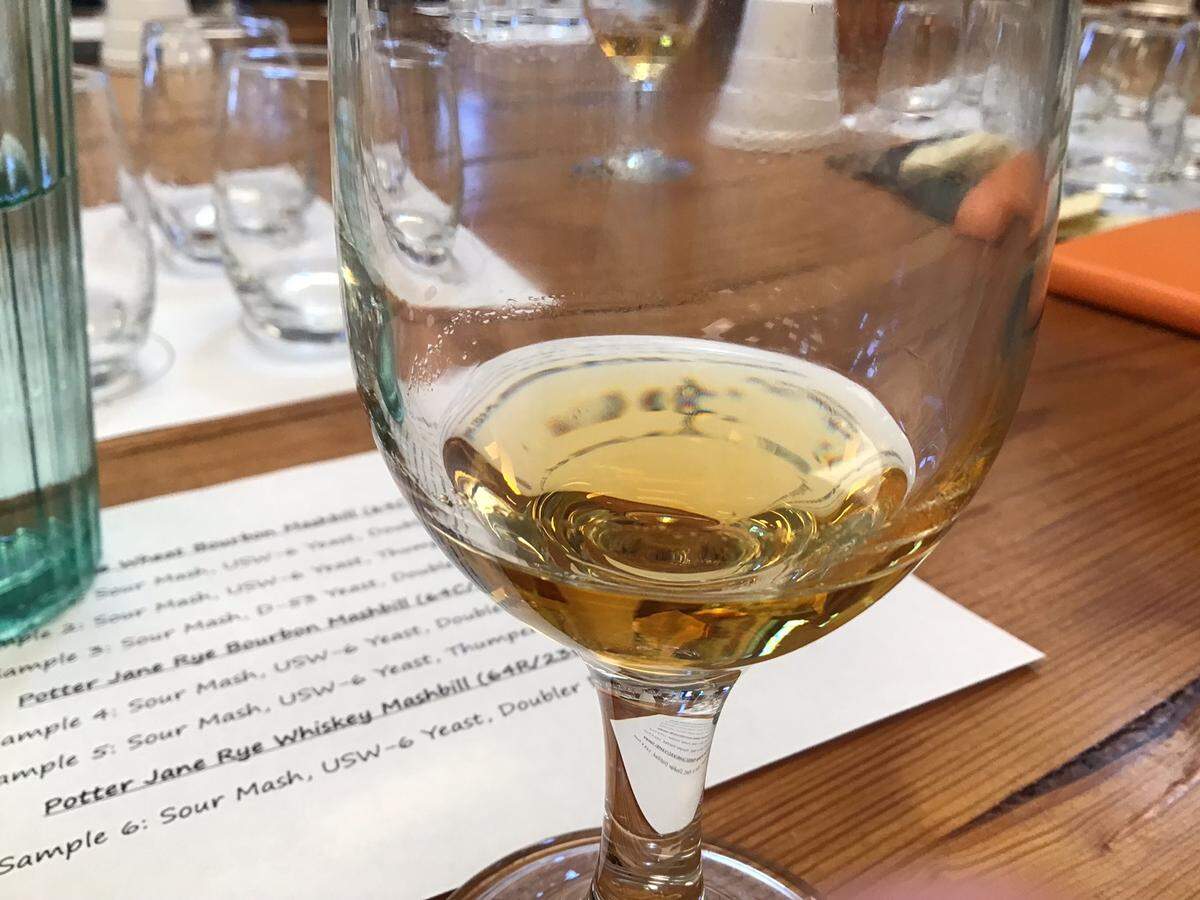
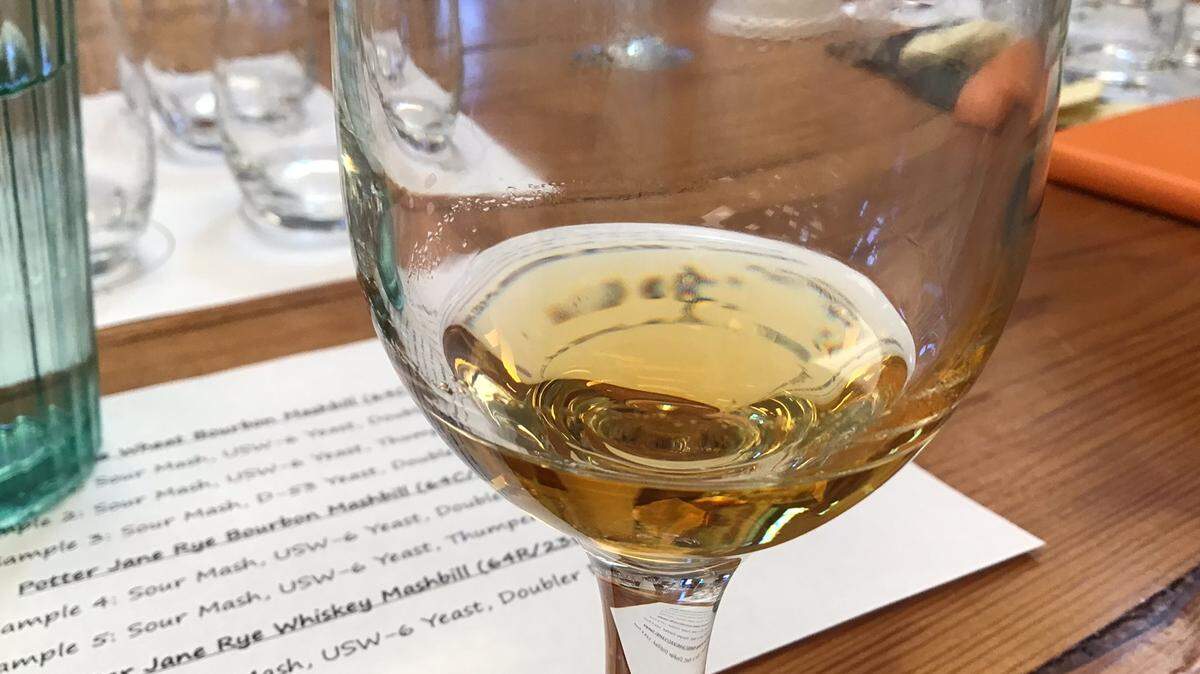
If the samples of 6-month-old wheated bourbon and rye bourbon are any indication, their best will be something fans are going to love when they finally hit the shelves in about seven years. They also plan to do a rye whiskey.
Potter Jane wants to put a flagship product on the shelves in the $25-$30 range, rather than aiming straightaway for “premium” price territory.
Will they be able to hold out until the 2030s to begin bringing in revenue in today’s dicey economy? That’s their plan, supplemented by contract distilling for a handful of clients.
What kind of whiskey will Potter Jane make?
Potter and Bowie had a lot of very definite opinions when they launched Potter Jane. Some of them went right out of the distillery’s 182 windows.
“We swore we’d never made a wheated bourbon,” Bowie said.
“That’s what we were both known for, so we said that of course we won’t do one. ... Now we make wheated bourbon,” she said with a laugh. “Because it’s what we’re known for, so of course we’ll do one.”
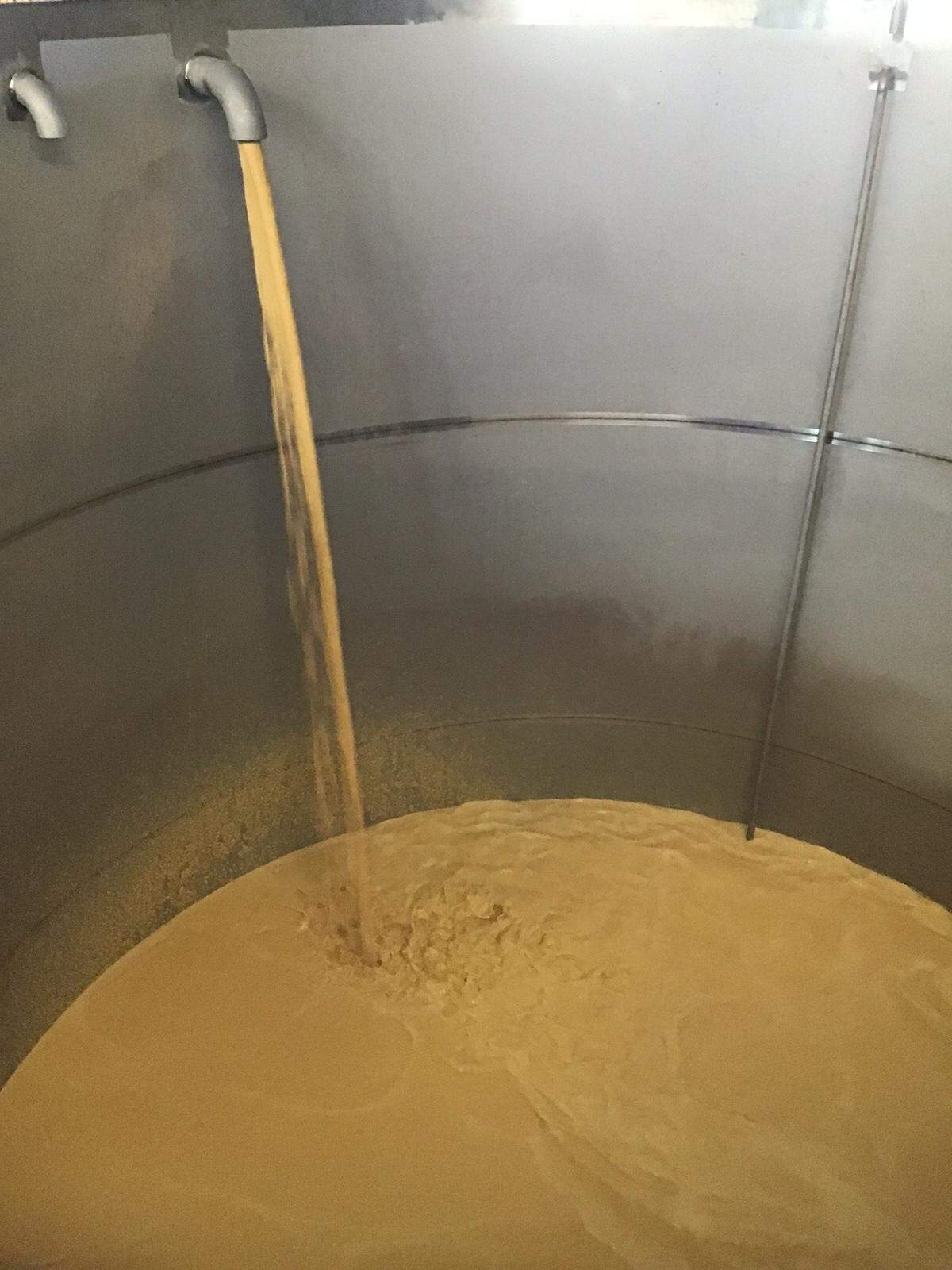
Other opinions are sticking around: They are committed to making whiskey only with yeast and malted barley, never with added enzymes to enhance flavor quicker.
“If you want that, there’s other people that will make that for you, but it’s not going to be us,” Bowie said. “There’s no judgment, but we prefer to get all the conversion (of sugars) from malt verses enzymes. ... We may live to regret that decision, but we’ll see.”
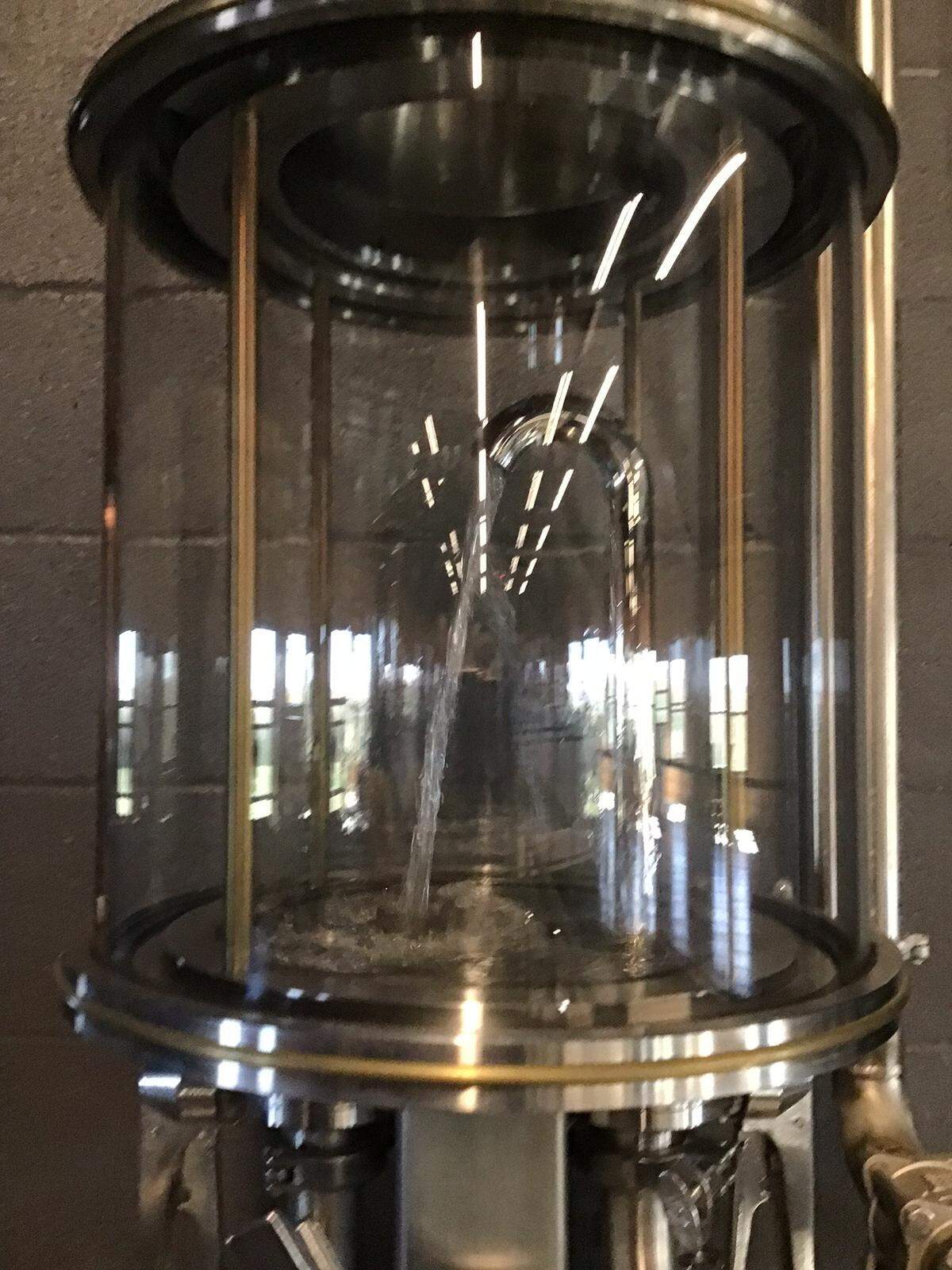
They designed the distillery as a straightforward process from grain to milling to cooking to fermenting to distilling to barrel filling and built a building over the operation.
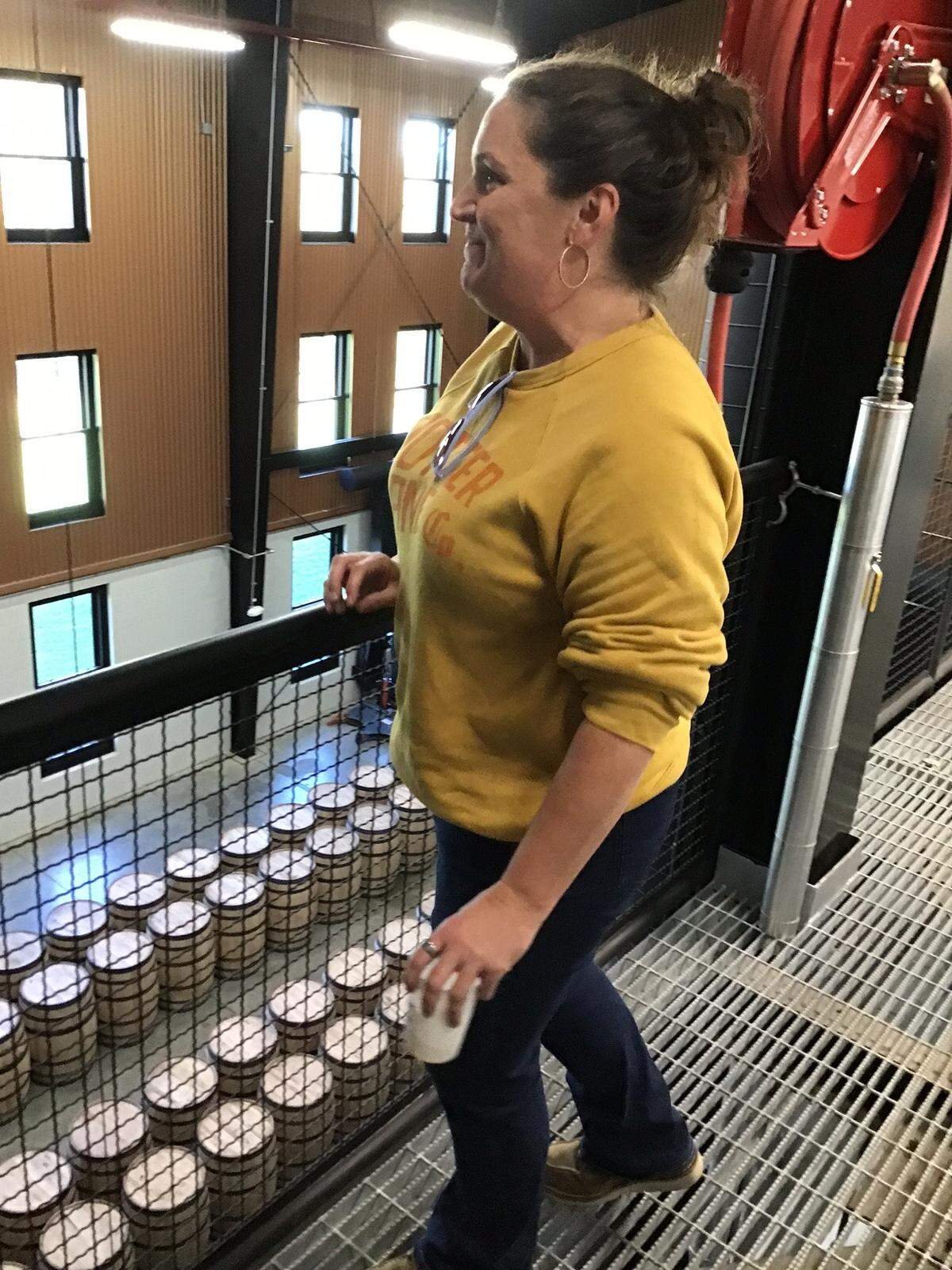
Visiting Potter Jane Distillery
Potter Jane doesn’t officially do tours yet, but is open by appointment.
Originally, they meant to have a visitor’s center and entrance, but when the budget came in at twice they could swing, things like that had to be put on hold, Bowie said.
“The whiskey was prioritized,” she said.
So they built for the future, with extra space for another boiler, a big lab and large maintenance shop for more of everything as part of their 20-year plan.
Potter said they were under tremendous pressure three years ago when they started out “to go bigger.” Potential contract distilling clients and those in the industry urged them to build a distillery with much more capacity.
But they saw the current spirits industry downturn coming and knew that the looming bourbon glut was going to drive prices down soon. So while other fledgling distilleries have been forced into bankruptcy or receivership, Potter Jane is quietly filling its two small rickhouses.
Tasting Potter Jane’s bourbons, rye whiskey
This spring, they began distilling for themselves and for a handful of clients.
“We built this thing for grandkids, for generational (wealth),” she said. “The goal was not to sell this thing as fast as we can. We’re ‘saddos’ who don’t have hobbies. We want to make whiskey the way we think it should be made, and we want to build a brand, and we’re lucky enough to have five great partners that we’re lucky enough to be producing whiskey for.”
They include Frank August, Kentucky Senator and soon, Rare Character, as well as a group of 15 major league baseball owners and managers, called Eephus, who are putting together a whiskey brand, Bowie and Potter said.
“It’s a pretty big group,” Potter said. “One may or may not be managing in the World Series right now.”
“We like partnering with people who are as ridiculously passionate about whiskey as we are,” Bowie said.
The only release they’ve had so far is bottled “white dog,” unaged distillate that sold at the Kentucky Bourbon Festival in September for fun.
“Our capacity is between 150 barrels per day,” Potter said, but at the moment they are doing only 50-100 barrels a day, to avoid getting too far ahead of the current demand.
The distillery is the first in Washington County, but it won’t be the last: Willett is opening a new facility on 150 acres in the same industry park where Potter Jane has 150 acres, and Michter’s has warehouses on 300 acres between them.
“Down the road we’d love to collaborate, because you just don’t get three distilleries side by side, independently owned, like this,” Bowie said. “Right now it’s just us in the sandbox saying, come play with us.”