Uncle Nearest case goes before a judge. What was said in the receivership hearing
AI-generated summary reviewed by our newsroom.
- Judge keeps Uncle Nearest in receivership pending briefs due Feb. 26, 2026.
- Farm Credit alleges over $100 million loan default and disputes company solvency.
- Receiver seeks broader control after finding co-mingled assets across Weaver businesses.
Troubled whiskey company Uncle Nearest will remain in the hands of a receiver for at least another month.
After five hours of testimony at a hearing on Feb. 9, U.S. District Judge Charles E. Atchley Jr. has extended time for both Uncle Nearest founder Fawn Weaver and Kentucky lender Farm Credit, along with receiver Phillip Young, to submit briefs.
In an order on Feb. 10, the federal judge in Tennessee granted the parties until Feb. 26 to submit supplemental briefs to shore up their cases for either ending the receivership or expanding it to include more business entities operated by Weaver and her husband, Keith.
The parties will then have until March 5 to submit responses.
For now, the judge emphasized, things remain in a standoff.
“Finally, and as noted at the February 9th hearing, the status quo shall remain unchanged until such time as the Court rules on the Motion to Reconsider and the Motion for Clarification. In other words (and for the avoidance of any doubt), the Receiver continues to possess all the powers granted to him ... and the receivership retains its original scope,” the judge said in the ruling.
The judge told both parties to keep their arguments to the evidence from the Feb. 9 hearing, “not rehashing prior arguments.”
Weaver had hoped to persuade the judge to give the company back to her. The whiskey brand has been in receivership since last fall, and recently unsealed documents indicate it is insolvent.
Farm Credit sued Weaver and her husband, Keith, last year after Uncle Nearest defaulted on more than $100 million in loans.
Although Weaver argued Uncle Nearest can pay its bills and that the assets are worth more than half a billion, documents filed by the bank and by the receiver disputed that.
The receiver, who also testified on Monday, had previously moved to expand the receivership because his examination of Uncle Nearest’s finances showed substantial mixing of the assets of the bourbon and whiskey company with other Weaver-controlled businesses.
Who testified at the Uncle Nearest hearing
According to the witness list, receiver Young testified first. His affidavit also was admitted into evidence, along with several other documents.
Judge Atchley said in his order that because of time constraints the hearing focused on the Weavers’ motion to end the receivership.
The receiver’s motion for clarification on whether the additional businesses that the Weavers control should be part of the receivership will be submitted in the papers given, the judge said.
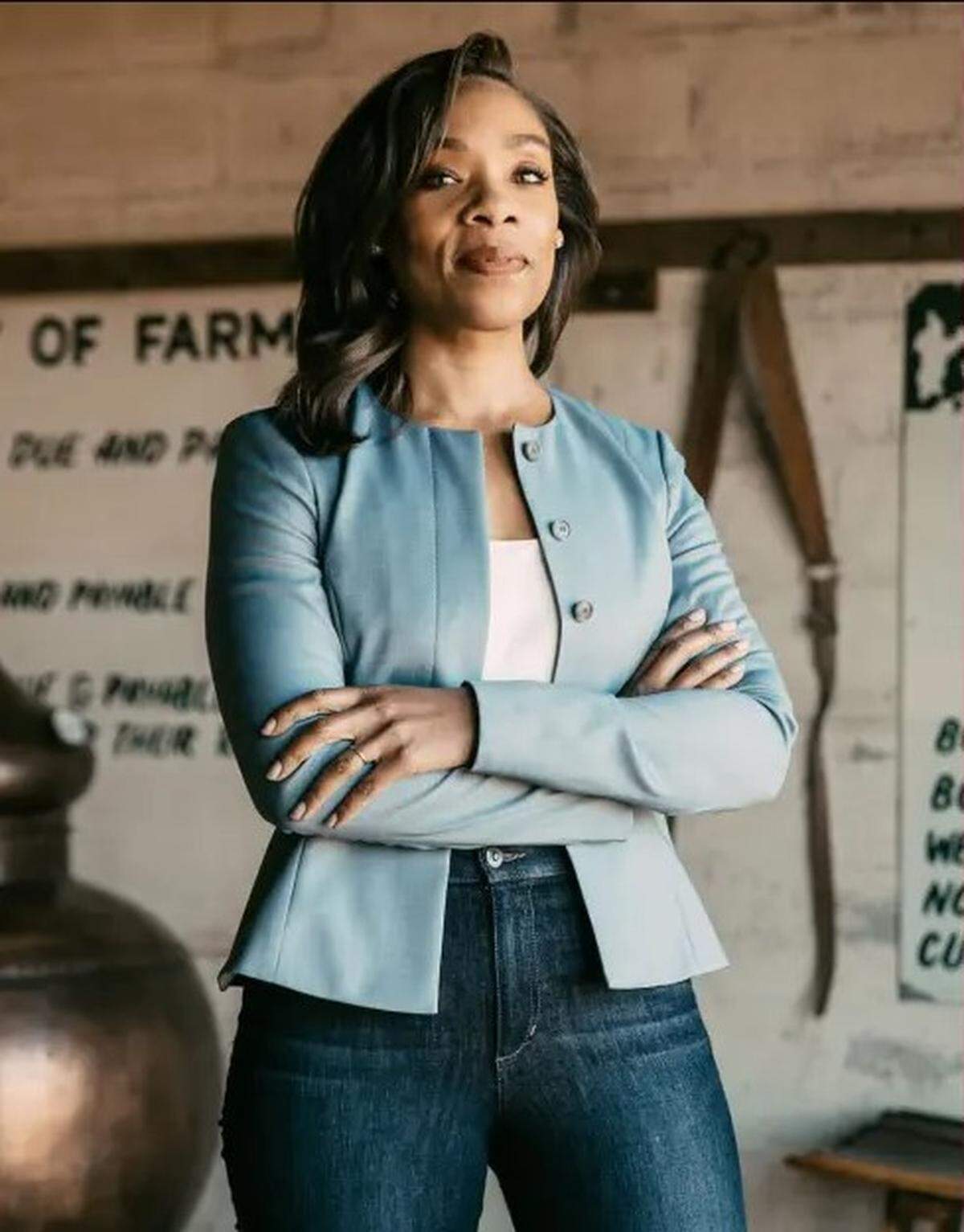
Witnesses, according to the court record, also included Katharine Jerkens, chief business officer of Uncle Nearest; Daniel Romano of Romano Beverage; Anthony Severini of Genesis Global, the payroll vendor Uncle Nearest uses; David M. Ozgo, former chief economist of the Distilled Spirits Council of the U.S.; Kevin Larin of Riveron, the consulting group hired by Farm Credit; and Fawn Weaver.
Most of these were on Weaver’s original witness list. Ozgo was added late on Sunday.
Larin’s declaration, which included that Uncle Nearest is insolvent, also was admitted into evidence, according to the court.
Also admitted was a restructuring plan created by Keystone Group in February 2025 with Farm Credit that had analyzed the company’s finances.
This story was originally published February 10, 2026 at 2:50 PM.