Federal court: KY distillery tainted election, but may not have to recognize union
AI-generated summary reviewed by our newsroom.
- Appeals court struck down the Cemex legal standard, sending case back to NLRB.
- Court said evidence supports finding Brown-Forman coerced workers with raises, bourbon.
- NLRB may order a new election or could still order bargaining if misconduct tainted it.
In a major revision of U.S. labor law, a federal appeals court struck down a legal standard last week that would have required Louisville-based Brown-Forman to bargain with a union on behalf of workers at Woodford Reserve.
The Sixth Circuit Court of Appeals issued an opinion March 6 invalidating a Biden-era policy that forced union recognition after tainted elections. The ruling sends the case back to the National Labor Relations Board to be held to the previous standard, which may mean a new union vote.
The case stems from 2022, when Woodford Reserve workers in Versailles were unhappy Brown-Forman ramped up production without increasing wages. Some employees contacted the International Brotherhood of Teamsters to discuss forming a union, but efforts did not get much traction, according to the court filing.
However, when the bourbon maker offered a $1, across-the-board salary hike and said no more increases would be coming, support picked up steam.
In an effort to curtail the organizing campaign, Brown-Forman announced new, unprecedented $4-an-hour raises and other improvements in benefits. Still, the union had enough support to petition for an election, according to the court filing.
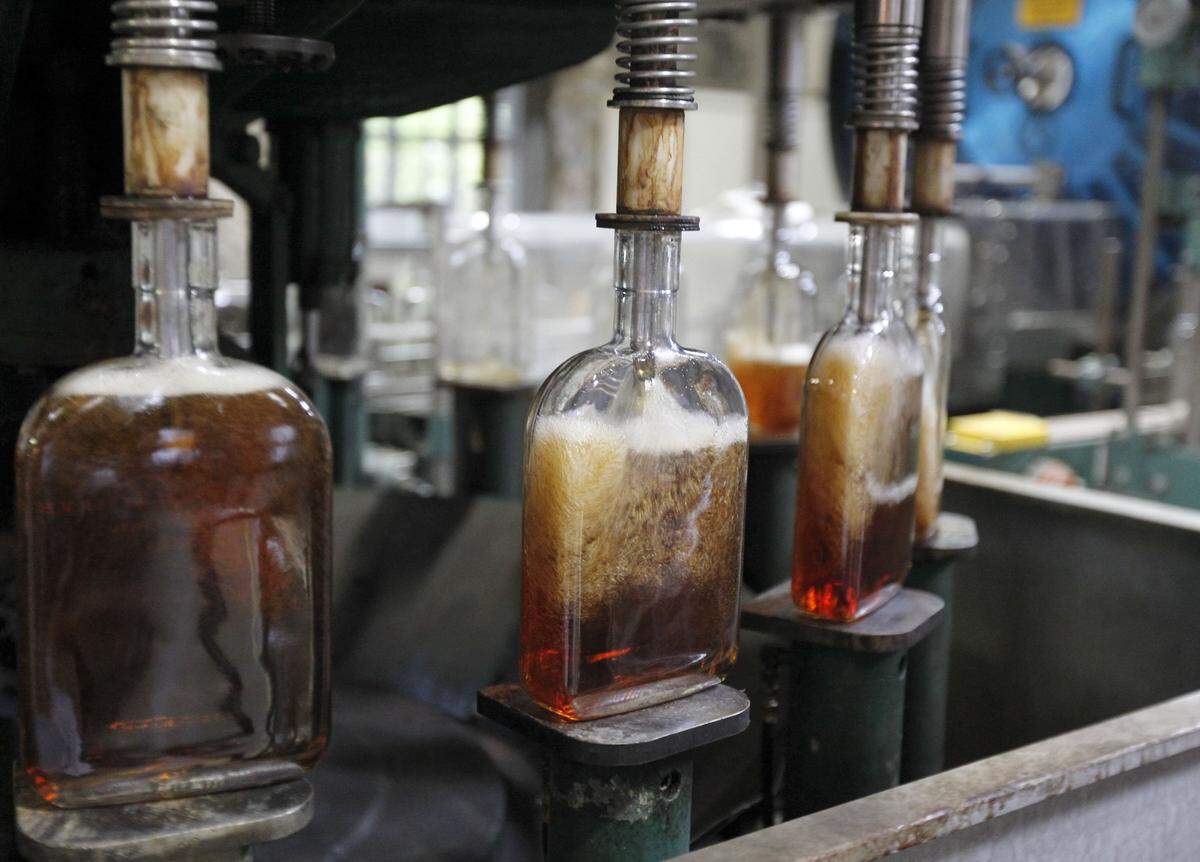
Management, armed with anti-union talking points, held mandatory meetings with employees and, a week before the election, gave employees bottles of bourbon. The vote ultimately failed, 14-45, according to the court filing.
In 2024, an administrative law judge determined Brown-Forman committed unfair labor practices and interfered with efforts to unionize. Under the then-new legal standard — known as Cemex — the NLRB called for a bargaining order as the default remedy once it set aside an election.
In the first test in the nation, the appeals court found this month that new standard was created improperly and struck it down.
However, the court found there was “substantial evidence” Brown-Forman did, in fact, violate labor laws.
“There is more than enough evidence to support the Board’s conclusion that Brown-Forman’s velvet glove of benefits was hiding a clenched fist of coercion, interference, and discouragement,” the appeals court said.

“Substantial evidence supports the finding that employees took the hint and understood that the benefits were a ‘bribe’ to no longer support the union,” the ruling continues.
The case now goes back to the labor board, which could order a second election or could still order bargaining if it finds the employer’s misconduct makes the prospect of a fair election unlikely.