
Citrus bumper crop bears creativity: It's time to peel, slice, squeeze and experiment
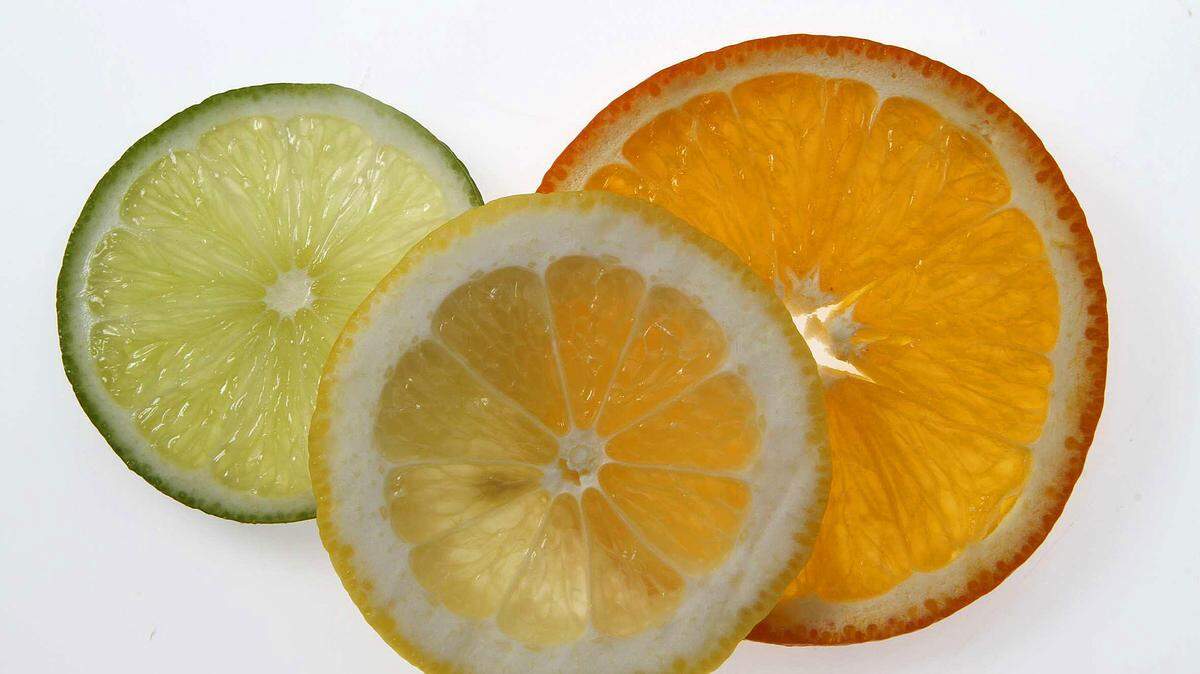
Considering how much citrus there is this time of year, there aren't nearly enough ways to use it. Unlike oranges, tangerines and grapefruit, recipes don't grow on trees.
So once you've tired of peeling all that fruit and eating it out of hand, what do you do? Here are a few ideas.
One of my favorite ways to serve citrus is in a fruit salad. This isn't your grandma's mixture (or maybe it is, if she was a really good, slightly fussy cook), and it's really too simple to justify a full recipe.
Peel and slice the fruit into wheels — the more types the merrier, so you'll get a nice combination of colors and sizes. Then just dress them with a simple syrup made of sugar cooked with water until it's clear. Use ½ cup to 2⁄3 cup sugar for every cup of water, depending on your taste.
Well, it doesn't have to be quite that simple. Steep herbs or spices in the syrup while it's cooking. Vanilla is almost always a great match for citrus; cloves are too. And just a little honey adds a sweet muskiness.
Citrus sorbets are just one step more complicated, and they're terrific by themselves or with fruit salad. Start with that flavored simple syrup again — this time equal parts water and sugar. You'll want about 3 cups of syrup for every cup of juice. Freeze it in an ice cream maker or in a cake pan in the freezer — the crystals will be coarser, but that's refreshing sometimes.
Be sure to include lots of zest in the syrup. One thing to remember when cooking with citrus is that there is a big difference in flavor between the juice and the zest. You'll almost always want to use a combination.
One thing that does make it easier to find recipes to use citrus is that, even though the various fruits are distinctly different, they are more or less interchangeable in cooking. If you have a favorite orange sorbet, you can easily use grapefruit to get a different but very good dessert.
The one exception that comes to mind is the blood orange. Because the anthocyanin pigment that gives the orange its crimson color is heat-volatile, cooking blood oranges for very long can result in an ugly bruised purple rather than that spectacular sunset color. I only use blood oranges raw.
Curds are another remarkably flexible way to use citrus. You can use them as sauces, as fillings for tarts and as frosting layers for cakes. Or, if you're feeling really indulgent, eat them straight out of the bowl as a kind of super-luxurious pudding.
There are all kinds of recipes for curds, varying from puckeringly tart to extremely buttery. My favorite is on the buttery side but with a pucker and fruit character.
Another supremely easy citrus dessert is this pudding from Deborah Madison's book Seasonal Fruit Desserts, a treasure chest of great ideas.
Simply simmer 2 cups of citrus juice, along with zest and sugar, with 3 tablespoons cornstarch (that seems like a lot, but the acidity of the citrus reduces the thickening power of the cornstarch).
Cook it just past the point where it boils, stir in flavorings (honey and orange flower water or yuzu juice are what she recommends, but there's plenty of room for experimentation) and chill.
The result has a creamy and rich feeling but very few calories. Of course, it's better when topped with a little whipped cream, but that's up to you.
Because let's face it, when life hands you lemons, it would be a shame to settle for lemonade.
RECIPES
Lazy Mary's lemon tart
1 unbaked (9-inch) tart shell
1 large Meyer lemon (about 6 ounces), cut into 8 pieces and seeded
1½ cups superfine sugar
½ cup (1 stick) butter
1 teaspoon vanilla extract
4 eggs
Heat oven to 350 degrees. Prick bottom of tart shell lightly with fork, line it with parchment paper or aluminum foil and fill it with pie weights or dried beans. Place tart shell on a baking sheet and bake until rim of tart is dried and set, about 15 minutes (time might vary depending on the dough or brand). Remove weights and aluminum foil, and return tart shell to oven to bake until crust is set but not completely baked through, about 10 more minutes.
Meanwhile, prepare filling. In a blender, purée the lemon, sugar, butter, vanilla and eggs until smooth, 2 to 3 minutes. Pour filling into pre-baked tart shell until it almost reaches top of crust rim; you might not use all of the filling.
Place tart in oven, and bake until puffed and golden and filling jiggles only slightly when tapped, about 40 minutes. Filling will brown around edges but should not be overly brown in center; if it begins to brown too quickly, cover top lightly with aluminum foil and continue cooking. Remove and cool on rack.
Makes 8 servings.
Nutrition information per serving: 387 calories, 5 g. protein; 50 g. carbohydrates, 1 g. fiber, 20 g. fat, 124 mg. cholesterol, 39 g. sugar, 126 mg. sodium.
Adapted from The Food52 Cookbook by Amanda Hesser, Merrill Stubbs and the Food 52 community
This is especially good when topped with a little whipped cream flavored with Grand Marnier or cognac.
Tangelo pudding
1 tablespoon finely grated tangelo zest (from 2 to 3 tangelos)
1 tablespoon sugar
3 tablespoons cornstarch
Salt
2 cups freshly squeezed tangelo juice (from 10 to 12 tangelos)
1 tablespoon unsalted butter
1 tablespoon orange flower water
1½ teaspoons honey
In small bowl using fork or spoon, smash tangelo zest with sugar to moisten sugar with fruit's aromatic oils. Transfer mixture to a 1-quart heavy-bottom saucepan along with the cornstarch and a tiny pinch of salt. Whisk in just enough tangelo juice to make a smooth slurry, then add remaining juice and whisk to smooth. Place pan over medium heat and gently bring mixture to boil. Cook, stirring frequently, until juice has thickened, just a few minutes. Cook for 1 minute more, then remove from heat and whisk in butter, orange flower water and honey. This makes a generous 2 cups of pudding.
Divide pudding among juice glasses or champagne glasses, and refrigerate until set, about 2 hours.
Makes 4 servings.
Nutrition information per serving: 123 calories, 1 g. protein, 24 g. carbohydrates, 0 fiber, 3 g. fat, 8 mg. cholesterol, 18 g. sugar, 2 mg. sodium.
Adapted from Seasonal Fruit Desserts by Deborah Madison
Tart with grapefruit curd and Campari
1 unbaked (9-inch) tart shell
2 whole eggs
2 egg yolks
¼ teaspoon salt
½ cup sugar
½ cup grapefruit juice (from 2 large grapefruit)
1 teaspoon grated grapefruit zest (from 1 large grapefruit)
1 teaspoon Campari
6 tablespoons cold butter, cut into pieces
¼ cup chopped pistachios
Heat oven to 350 degrees. Prick bottom of tart shell lightly with fork, line it with parchment or aluminum foil and fill it with pie weights or dried beans. Place tart shell on a baking sheet and bake until rim of tart is dried and set, about 15 minutes (timing might vary depending on the dough or brand). Remove weights and aluminum foil, and return tart shell to oven to bake until it is well browned, about 30 more minutes. Set aside to cool slightly.
Meanwhile, prepare filling. In small heavy- bottomed saucepan, beat whole eggs, egg yolks, salt and sugar until smooth and light colored. Add grapefruit juice, zest, Campari and butter, and cook over medium heat, stirring constantly, until butter melts, about 5 minutes.
Reduce heat to medium-low and continue cooking until curd is thick enough that it coats the back of a spoon and that when you draw your finger across the curd it leaves a definite track, about 5 minutes. The curd should be as thick as thick hollandaise. Remove from heat.
Pour curd through a strainer into pre-baked tart shell, and chill until firm. Sprinkle chopped pistachios over top before serving.
Makes 8 servings.
Nutrition information per serving: 286 calories, 5 g. protein, 26 g. carbohydrates, 1 g. fiber, 18 g. fat, 116 mg. cholesterol, 14 g. sugar, 183 mg. sodium.
This story was originally published February 9, 2012 at 12:00 AM with the headline "Citrus bumper crop bears creativity: It's time to peel, slice, squeeze and experiment."