
Give peas a chance to thrive: Plant early
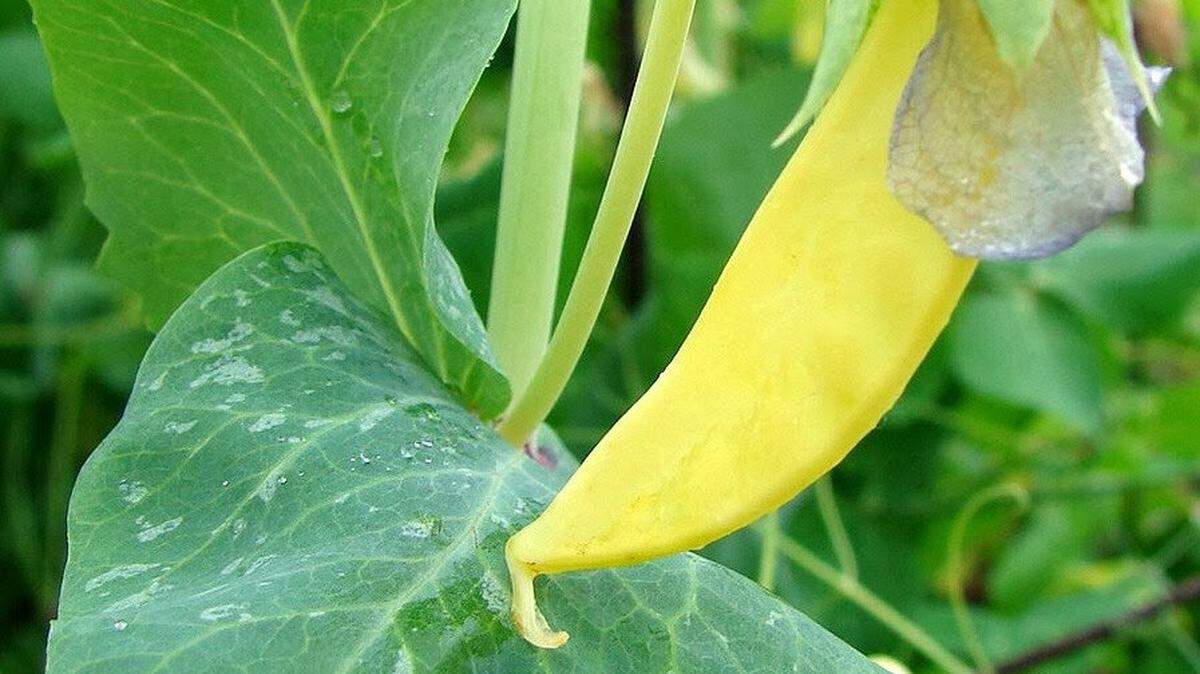
With spring just a couple weeks away, now is the time to start thinking about getting garden beds ready to plant cool-weather crops.
Those include radishes; cole crops including cabbage, broccoli and kale; and leafy greens. But the earliest crop to get in the ground is peas.
It's not just the edible snow, sugar and shelling peas, which are so much more delicious freshly picked than any store-bought variety. Sweet peas, the delicately fragranced flowering annual used in cut-flower bouquets, also should be planted.
Peas can tolerate a few frosty days at first, and they won't blossom well when temperatures rise above about 65 degrees.
As soon as the soil is thawed and is dry enough to work some compost or well-rotted manure into it, dig in and get going. A sunny spot with well-drained, friable (easily crumbled) but rich soil works best.
The seeds look just like the dried peas that they are. Begin by soaking them in water for about a day, and even make a small, shallow nick in the outer skin so they can take up moisture more easily for faster germination.
Plant them an inch deep and about three inches apart in prepared rows. Cover well with soil, as they need darkness to begin growing.
Birds, slugs and other animals feast on peas, so cover your seed row and seedlings with netting for a while and keep an eye on them.
Thin the sprouts to about 6 inches apart once they've developed a few sets of leaves. Because most peas are vines, you'll also need vertical support for them to climb up. I plant mine along a fence, but a structure of sturdy poles and string works well, too.
Keep the growing plants well-watered, and harvest peas and blooms to encourage new buds to keep forming. The secret to peas of all kinds is to keep them in sun, but cool — especially the roots.
This story was originally published March 7, 2014 at 2:06 PM with the headline "Give peas a chance to thrive: Plant early."