10 reasons why local restaurants may not make it through the winter
It’s no secret that the hospitality industry is in crisis. Independent restaurants and bars have been closing all over the country.
A coalition formed with the James Beard Foundation and leading chefs has been lobbying for an aid package that would target independent restaurants, particularly those owned by women and people of color.
The group released figures on Thursday from ongoing surveys that paint a very bleak picture of the prognosis for restaurants in Kentucky and elsewhere to make it through the winter.
Andrew Zimmern, a Minneapolis restaurateur and host of host of James Beard award-winning “What’s Eating America” on MSCNBC was blunt: Without direct grants, “we are going to see an extinction event for independent restaurants.”
Here are some figures that lay out the situation that restaurants face during ongoing coronavirus pandemic and the national economic crisis it has caused.
60 percent
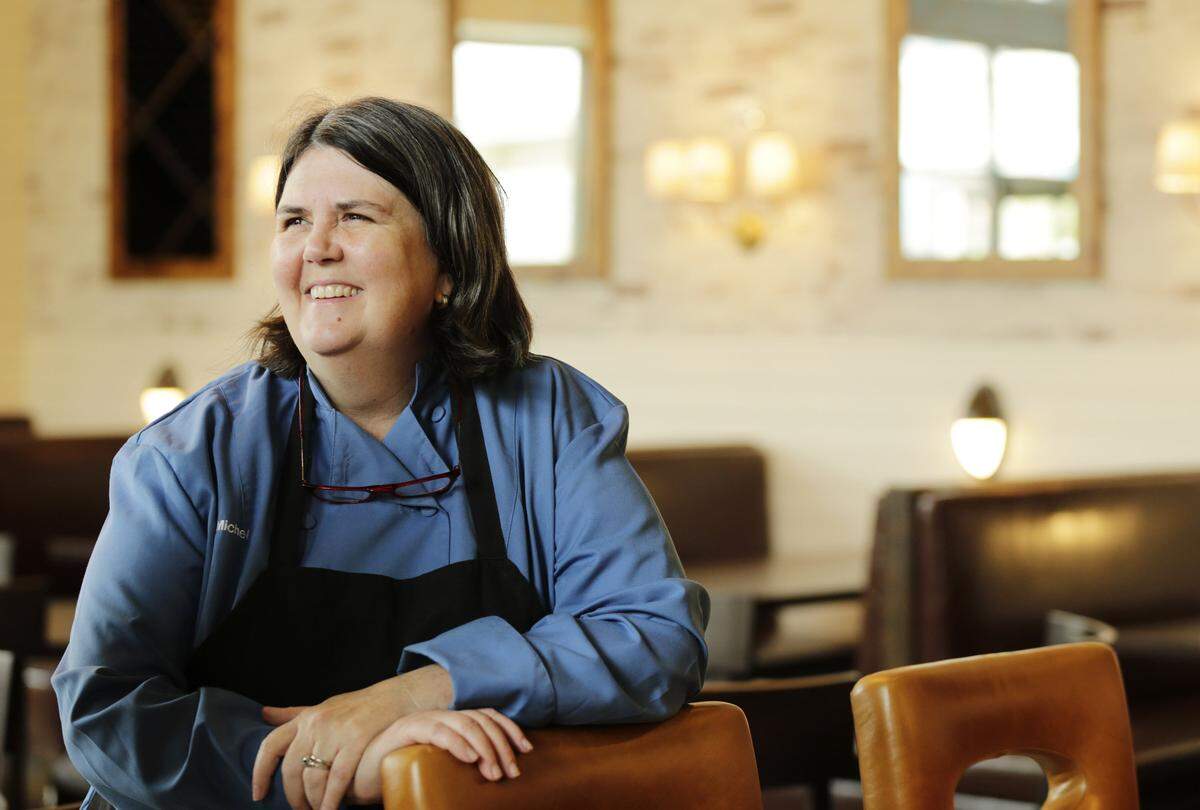
That’s the break-even capacity that restaurants need to keep their doors open, according to chef Nina Compton, a member of the Independent Restaurant Coalition and owner of two New Orleans restaurants. Central Kentucky chef Ouita Michel said that her business is operating at about 28 percent of normal revenue.
25 percent
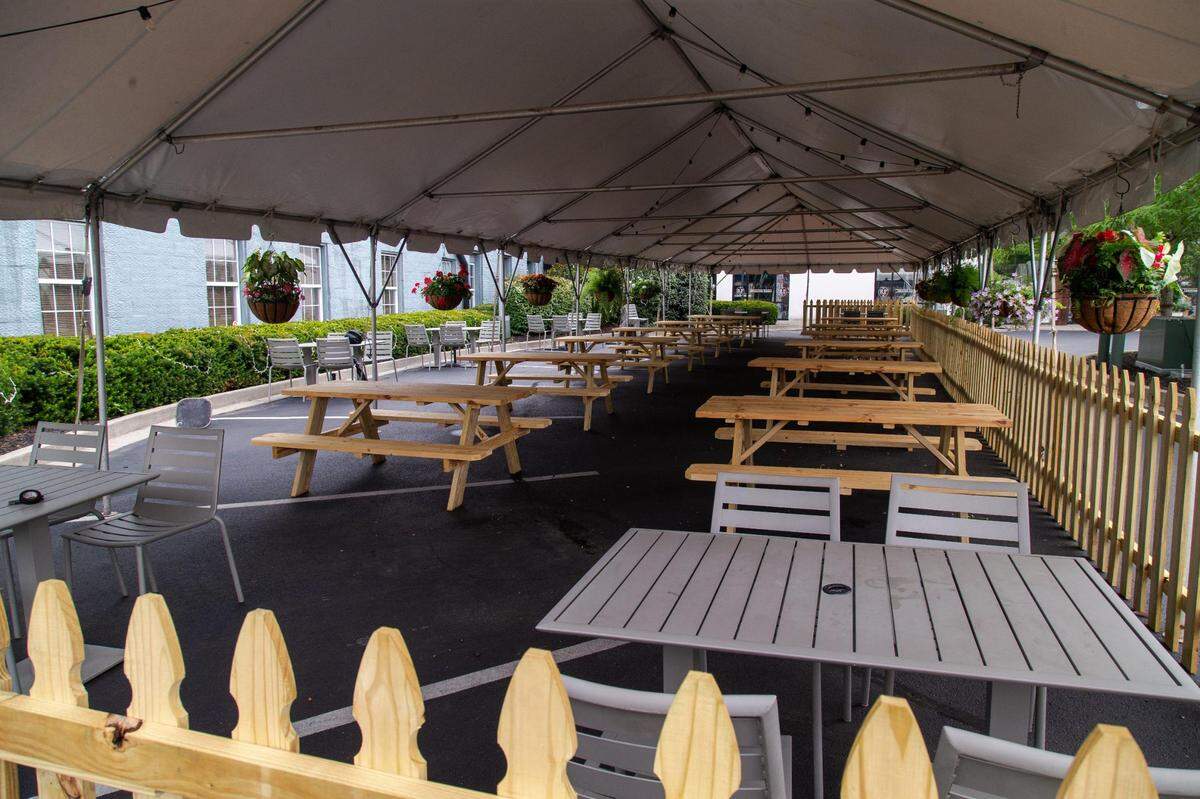
Indoor restaurant capacity currently allowed in Kentucky. While restaurants are also allowed unlimited outdoor seating, that comes with other costs, such as furniture and umbrellas. And many places have invested in patio expansions and erecting lavish tents in their parking lots. “We’re not getting by,” Compton said. “We’re doing 50 percent of revenue, if that. Amid mounting expenses.” Beshear said that restrictions will be eased next week but plans to impose a 10 p.m. cut off on alcohol.
42 degrees
The average high temperature in Kentucky in the winter, when many restaurants likely will lose the option for outside seating. Michel, who owns eight restaurants in Central Kentucky including Holly Hill Inn, Wallace Station and Zim’s Cafe, says that as the weather turns cold and rainy this winter she probably will have to close two or three of her restaurants that can’t safely host indoor dining. She’s trying to renegotiate leases with two restaurants but it’s getting “tougher and tougher as you’re constantly trying to reassure landlord of future viability.”
$120 billion
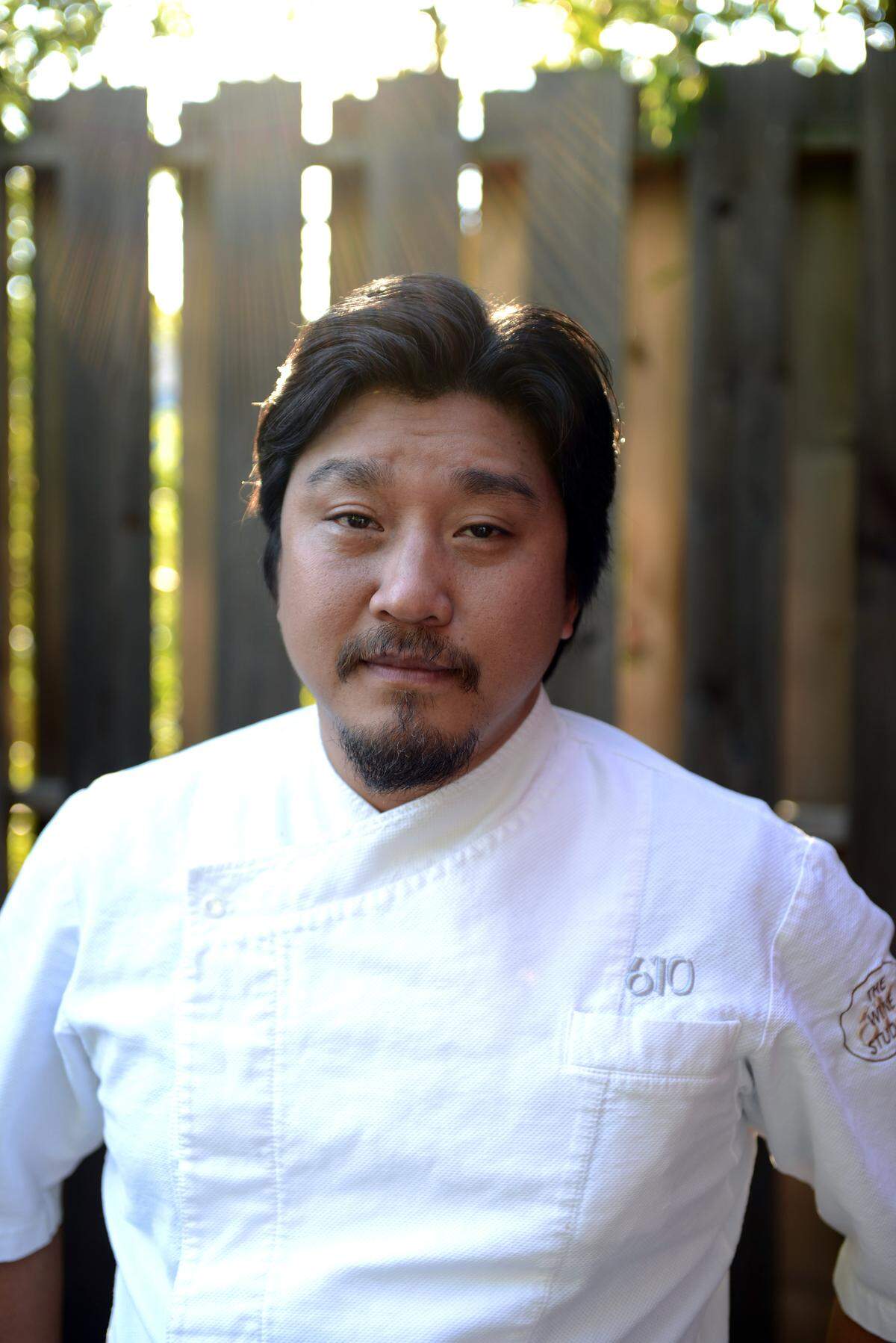
The size of the grant pool that restaurants and bars are requesting to keep them from going under. Last week, in calling for the grant pool, Michel and Louisville chef Ed Lee said that restaurants already are “dropping like flies,” and that without direct aid more will follow. But legislation to provide that wasn’t in the relief package passed by the House or in the package that Senate Majority Leader Mitch McConnell has proposed. “We’re going to lose the second largest industry in America ... if we don’t pass the $120 billion Restaurants Act,” Zimmern said Thursday. McConnell’s legislation focuses on additional PPP funding, with increased flexibility on how the money can be used.
1 month
How long chef Lee, a James Beard-award winning chef who owns two popular restaurants in Louisville, said his business has left before he has to declare bankruptcy if capacity isn’t increased or more financial aid isn’t forthcoming from Congress.
16 million
The number of workers that the hospitality industry, along with some ancillary industries, employs in the nation, according to the Independent Restaurant Coalition. In Kentucky, the state’s 203,000 restaurant workers face massive layoffs without immediate aid, IRC said last week. Already restaurant employees account for one in four people who are unemployed nationally.
66 percent
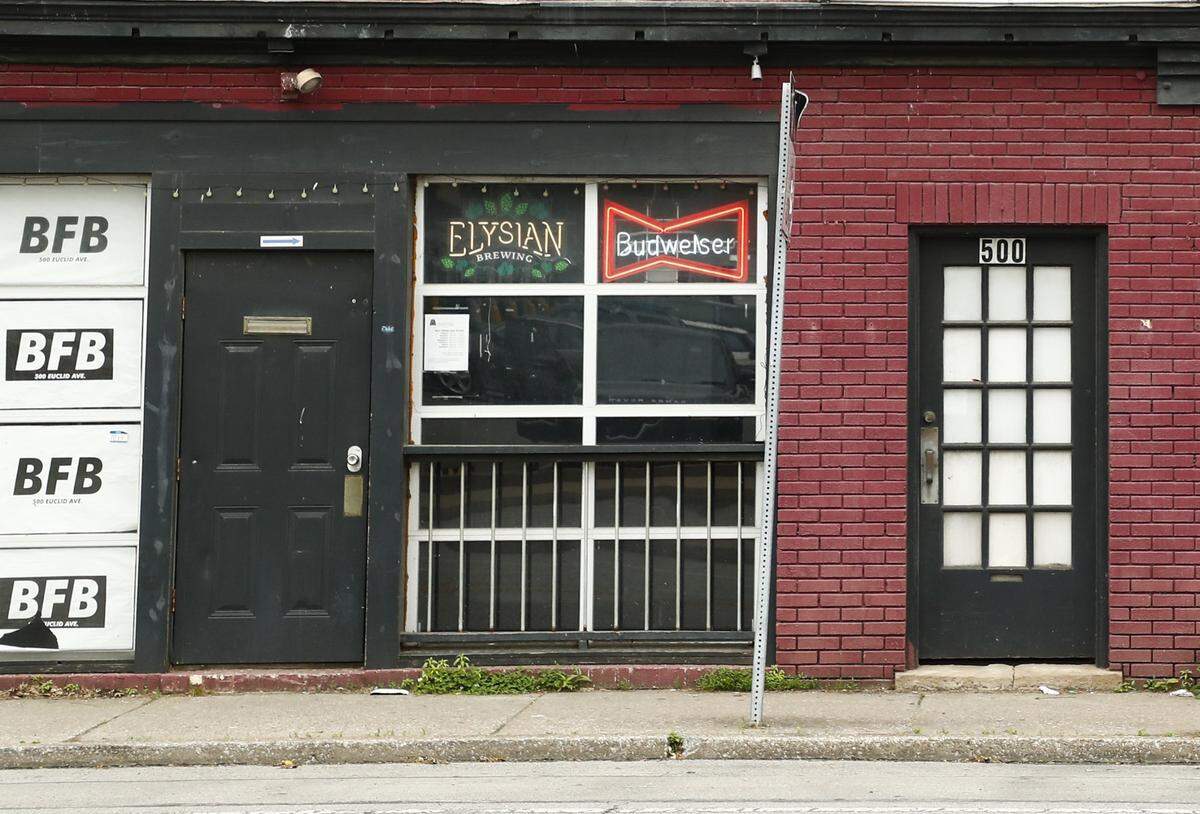
The rate of confidence that those restaurants and bars expressed in their ability to stay open past October, according to the Beard Foundation survey. That’s even though many received some aid from the previously passed Paycheck Protection Program. A lack of confidence was a factor in the decision to close one Lexington bar this week. Lexington’s Best Friend Bar is pulling the plug at the end of August; co-owner Seth Brewer said Thursday that with the uncertainty he and his partners can’t commit to $100,000 in rent for the next year without using up reserves and putting other businesses in jeopardy.
75 percent
The portion of independents that have taken on extra debt of $50,000 or more since the pandemic began. At least 12 percent have borrowed $500,000 or more to stay afloat, according to the survey.
52 percent
The number of restaurants who said their top priority in July was “relief for new PPE expenses, rent, mortgage, payroll, staff benefits, and vendor expenses.” The hospitality industry received only about 8 percent of previous rounds of PPP loans, and many small operators were either shut out or could not navigate the complexities of the program, the IRC said last week.
231,000
The number of restaurants that an independent industry analysis found may likely to close this year nationally. The survey from the Beard Foundation showed 11 percent of restaurants either remain closed or have permanently closed, a 27 percent increase from May to July. Zimmern says the number that are open is actually artificially high because of outdoor seating. Many won’t make it past Labor Day, the traditional end of summer in many areas, he said.