
In the interest of having a more balanced life it's best to be mindful at all times
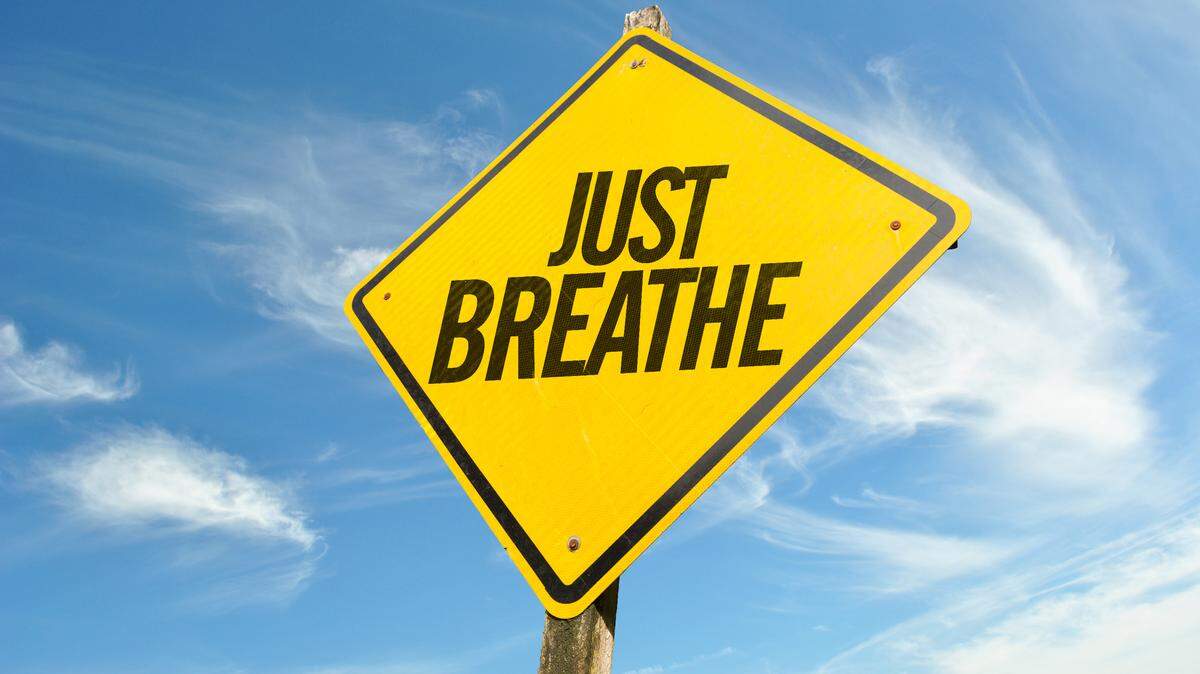
I’m becoming increasingly convinced that enjoying mental health requires effectively navigating moments of tension and relaxation.
You work hard throughout the day and then need a break. You exercise, sometimes intensely, and then need to relax afterward in order to recover. Too much tension in the moment, or tension that lasts for a long time, results in suffering, burnout, or in terms of exercise, injury. On the other hand, too much relaxation results in apathy, complacency, a slowed mind and even depression.
Too often people wait until the end of the day, weekend, or vacation time to experience rest or relaxation. This is unhealthy and invites stress that is hard to overcome.
Navigating when and how long we engage in tension and relaxation is an imperative skill that is essential to mental health. In addition, at any given moment, you know exactly what you need — either more tension or more relaxation. It is important to practice using insight and trusting yourself in order to know what you need next.
For example, take this moment now to notice which one you need, paying attention to your intuition, or the still small voice. What is the result? Sometimes it is simply taking a few deep breaths. Other times, it highlights something bigger, something that has been nagging at you for a long time and needs attention.
Tasks that have been avoided — or in psychology terms, unfinished business — slowly drain on our energy, leading to burnout or irritability. This unfinished business requires us to add tension temporarily in order to be alleviated later (e.g., completing an old work task, resolving a lingering interpersonal problem, finally starting an exercise regimen, facing the fear of going to the doctor).

Other times, relaxation needs attention (deep breathing, take a mini break, switch from one task to a new one in order to avoid fatigue). Being aware of ourselves, what we need in the moment, and then acting on it is synonymous with mindfulness, a very popular concept in psychology today for good reason.
Those who can master the skill of mindfulness, or effectively navigate the direction of tension/release needed throughout the day tend to be those who are not only more productive in life, but also more satisfied, less stressed and happier.
Let us start practicing a more mindful existence today, one that is not just of pure relaxation or productivity, but instead, one of balance and in turn, enjoyment.
Krista Moe is a licensed psychologist with Baptist Health Medical Group Behavioral Health.
This story was originally published June 27, 2018 at 10:41 AM.