
Why More Women Are Stacking Perimenopause Supplements Instead of Reaching for HRT
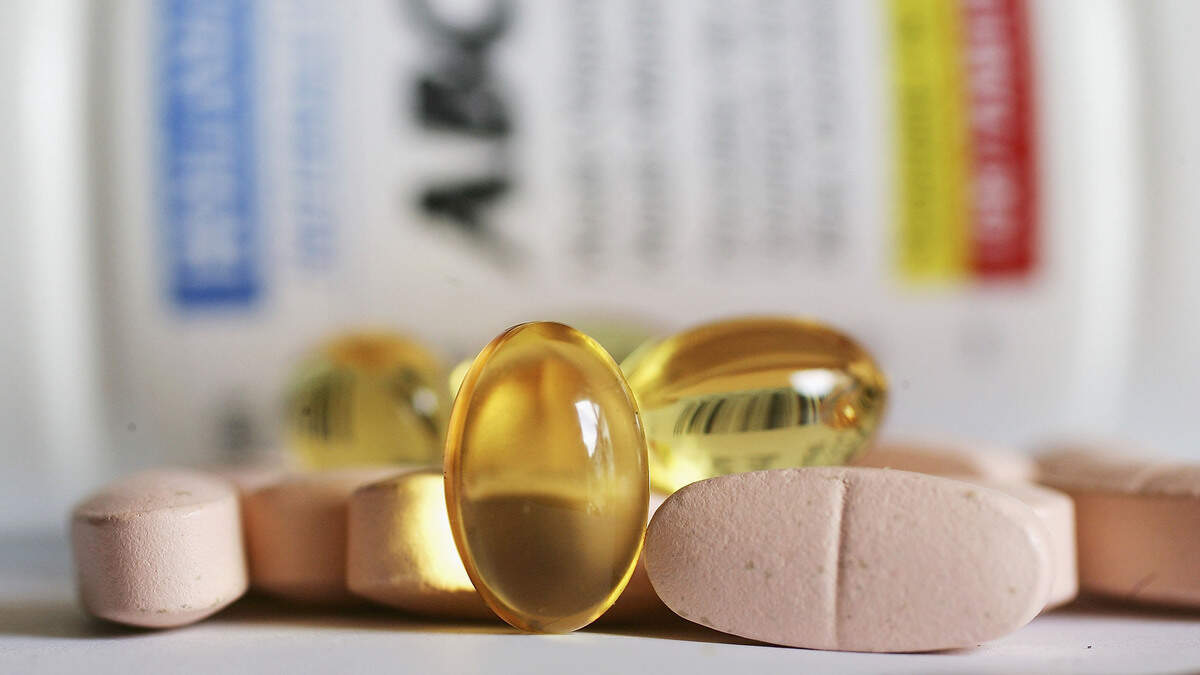
Women in their late 30s, 40s and early 50s are increasingly assembling personalized, hormone-free routines to manage perimenopause symptoms. Here is what the trend looks like, who is driving it and what to know before building your own stack.
What is perimenopause supplement stacking?
Perimenopause supplement stacking is the practice of combining multiple non-hormonal supplements, such as magnesium, creatine, botanicals, adaptogens and targeted blends, to address specific perimenopause symptoms. Instead of relying on one multivitamin or a single “menopause” product, women build modular routines they can adjust day to day.
Typical symptoms being targeted include insomnia, hot flashes, brain fog, anxiety, joint pain, low mood and gut changes. Users often swap ingredients based on how they feel, guided by peer protocols on social media, symptom-tracking apps and emerging direct-to-consumer brands that explicitly design products to be combined. Coverage from the Sacramento Bee describes the practice as a normalized coping hobby for perimenopausal women who piece together regimens around their most disruptive symptoms, often documenting and refining them through peer-to-peer advice.
Why are women turning to supplement stacking during perimenopause?
Many women turn to supplement stacking because they either cannot use hormone replacement therapy, do not want to, or feel dismissed by clinicians who tell them nothing can be done. Hesitancy about HRT dates back to 2002, when the Women’s Health Initiative results reshaped attitudes toward hormone therapy and pushed many women to look for non-hormonal paths.
A 2023 position statement from the North American Menopause Society summarized evidence-based non-hormonal options for hot flashes, and the FDA’s May 2023 approval of fezolinetant further validated non-hormonal treatment. A peer-reviewed analysis of Google search behavior from 2005 through October 2025 shows steadily rising interest in menopause topics, signaling long-standing unmet needs. Estrogen patch shortages in 2025 and confusion around new FDA guidance pushed more women toward over-the-counter routines.
What supplements are in a typical perimenopause stack?
A typical perimenopause stack combines general performance supplements with symptom-specific formulas. Common ingredients include magnesium glycinate for sleep, creatine for brain fog and muscle support, omega-3s, adaptogens, and cortisol or stress complexes. Halle Berry has publicly discussed taking magnesium and creatine to manage brain fog, giving supplement stacking mainstream visibility.
Women often build different combinations for different needs. A nighttime routine might pair magnesium glycinate with a targeted sleep formula. A brain fog stack might combine creatine, omega-3s and adaptogens. High-stress days might call for a cortisol complex plus magnesium. Some users rotate their choices by weekday, travel schedule or menstrual cycle phase, borrowing techniques from biohacking culture. Peer-to-peer guidance on TikTok, Reddit and private Facebook groups drives many of these protocols, with creators posting “what I take in a day” perimenopause videos and crowdsourced dosage recommendations.
Which brands lead the perimenopause supplement stacking market?
Several direct-to-consumer brands now design products explicitly to be combined. Season34, a Coral Gables, Florida brand, launched nine hormone-free formulations built so users can combine them without exceeding global safety thresholds for any ingredient. Founder Kim Stanbury told New Hope Network, “Every woman is unique. We are creating a personalized system that is fully stackable.”
Pink Stork, a founder-led brand with more than 50,000 verified Amazon reviews, sells bundles pairing NAD+, creatine, beef organ complex and a cortisol complex. Doctor-founded Perelel offers a five-capsule Peri Support Pack containing a perimenopause multi, omega DHA/EPA, an adaptogen complex and a metabolic support capsule. Wile Women, co-founded by actress Judy Greer, offers symptom-targeted, hormone-free formulas. Grand View Research values the broader menopause market at $18.7 billion in 2025, projected to reach $28.8 billion by 2033.
Is perimenopause supplement stacking safe?
Supplement stacking carries real risks, especially when women combine products without medical oversight. According to University of Maryland Medical System reporting, roughly 70% of women do not disclose their supplement use to healthcare providers, which raises the risk of ingredient overlap and drug interactions as routines grow more complex.
Evidence for many popular ingredients is mixed. The NIH Office of Dietary Supplements summarized guidance concluding that data do not clearly support black cohosh for vasomotor symptoms. Research cited by Market Reports World found phytoestrogen supplements may deliver only 10% to 20% symptom reduction in some cases, even as more than 79% of peri- and postmenopausal women reported using botanical dietary supplements. Women with a history of hormone-sensitive cancer, cardiovascular risk factors or severe mood symptoms should consult a clinician before starting or adjusting a routine. This article is not medical advice.
How do I talk to my doctor about my perimenopause supplement stack?
Bring every bottle, a printed ingredient list and a symptom diary to your appointment. Full disclosure matters because supplements can interact with prescriptions and overlap in ways that increase risk. Reporting from the Charlotte Observer notes that the core user base is women aged 35 to 55, and one report found 55% of women experience perimenopausal symptoms in their 30s, meaning these conversations should start earlier than many women expect.
Be prepared for skepticism. Ask your clinician which ingredients interact with your prescriptions, whether any products duplicate the same active compound, and whether third-party quality seals such as USP verification apply to what you are taking. The M Factor documentary, featuring Naomi Watts and Halle Berry, found 75% of viewers felt more likely to consult a doctor about menopause after watching.
This article was created by content specialists using various tools, including AI.
This story was originally published July 16, 2026 at 3:30 PM with the headline "Why More Women Are Stacking Perimenopause Supplements Instead of Reaching for HRT."
.jpeg)