
Fans of bonsai are big on the little sculpted trees
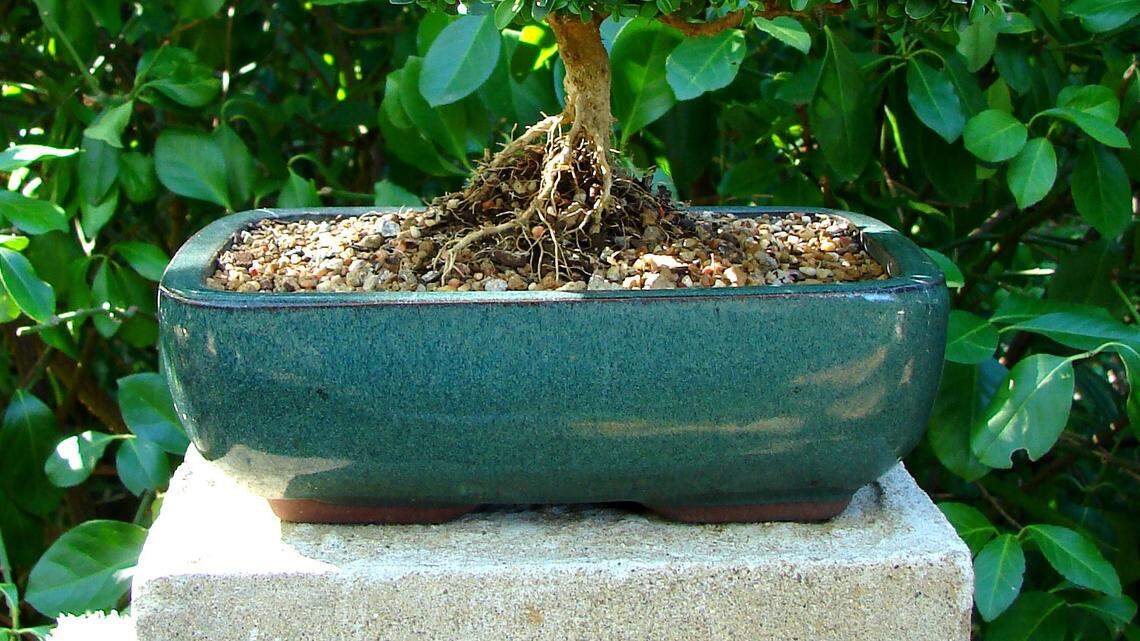
Bonsai is a long-lived and expertly arranged marriage between the science of horticulture and the art of sculpture. When done well, it is an ever-changing pleasure to behold. Meticulously pruned and planted trees are trained to grow into carefully designed forms, and some of the best-maintained specimens live for more than 250 years.
Coming from an Asian tradition — first in China about 1,000 years ago, then Japan a few centuries later — bonsai expresses an appreciation of the beauty of nature and a mindfulness of design.
Joe Dietz will discuss the history, styles and care of bonsai during a presentation Monday at The Arboretum and will demonstrate potting and pruning techniques. He plans to transform a juniper from a local nursery into a bonsai specimen.
Dietz, who has a degree in forestry, was drawn to "tinkering with little trees in pots" about 20 years ago.
"The first step is to keep the plant alive, which takes skill and dedication," he said. "Then, there is the art part, which reflects what you see in nature."
It's important to care for the root flare — or nebari in Japanese — because roots provide visual balance and composition. Pruning of roots and branches results in reduced limb and leaf size.
Like many bonsai artists, Dietz keeps his plantings lined up on benches outside his home in the summer, and he mulches pots containing hardy bonsai trees along the ground for the winter. Tropicals need a sunny spot indoors.
Dietz says that many bonsai trees have the same requirements for light, temperature and humidity as larger specimens, and they don't survive indoors in dim light and dry air.
Ryan Gugeler, a ceramic artist and exhibit designer at the University of Kentucky, is coordinating the Arboretum's bonsai display. It will feature work by members of the Cincinnati Bonsai Society who live in Central Kentucky and will include creations by Gugeler and Dietz, and club members Jim Robertson, Tim Wechman and Tom Ollinger. Also, newcomer brothers Daniel and Jake Oxnard, who design their own pots and use rocks in their bonsai work, will have bonsai on display.
Gugeler has created bonsai for about 25 years. His gardens and porch are overflowing with bonsai, from evergreen juniper, boxwood and Kentucky native bald cypress to deciduous azalea and Japanese maple.
Always on the lookout for new plants, Gugeler collects interesting seedlings and waits for shrubs and trees to be marked down at garden centers. He especially values plants that might look too scruffy to be used as full-size landscape plants but show potential as interesting bonsai creations.
"One goal is to make bonsai appear old and try to imitate what nature did all on its own, with harsh weather conditions of wind and snow," he says. Signs of age, such as jin — weathered dead-wood growth — and scaly bark texture are valued and preserved. Branches are sometimes wrapped with wire to train them into position.
Gugeler said he learned a lot about bonsai by apprenticing with Ron LaFleche, who owned Amburgey Gardens on Higbee Mill Road. Gugeler also has studied with Ben Oki, world-famous curator of the Bonsai Court gardens at California's Huntington Botanical Gardens. Go to Benokibonsai.com for a glimpse of his work.
This story was originally published October 9, 2010 at 12:00 AM with the headline "Fans of bonsai are big on the little sculpted trees."