
New echinacea varieties explode in color
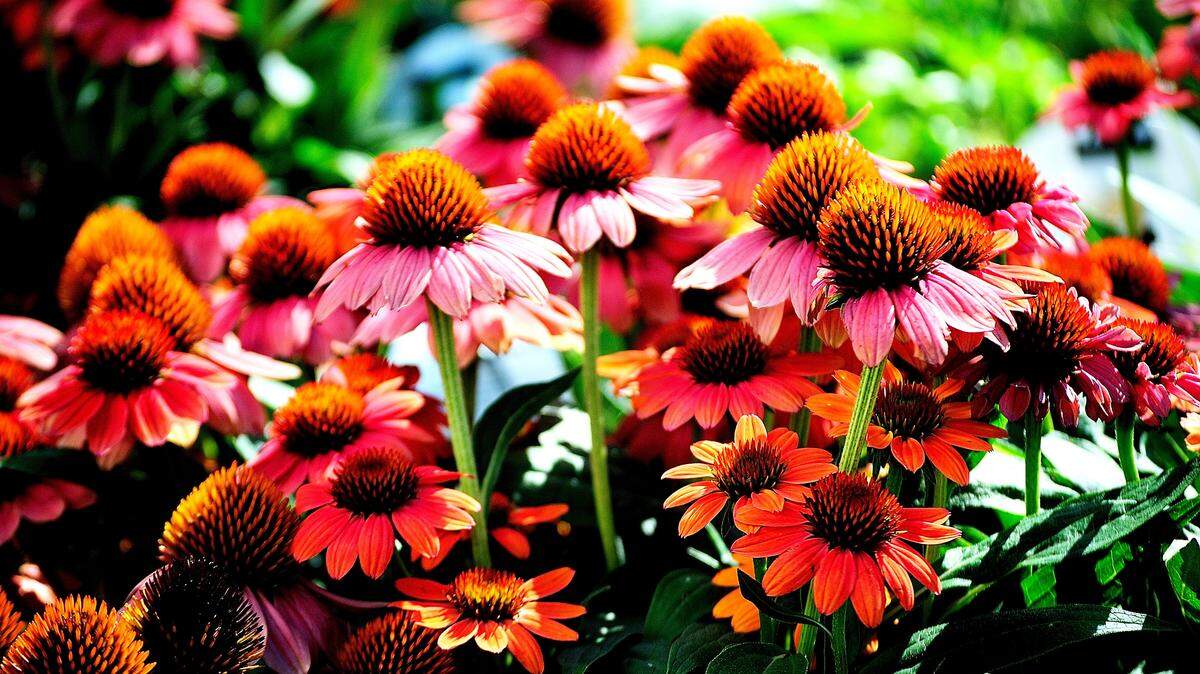
In case you haven't noticed, the coneflower, or echinacea, has undergone incredible changes or reformation when it comes to color. One such group is the Sombrero series.
I recently took several containers of Sombrero Hot Coral to a live TV segment. Sure, the flowers were staggering with their beauty, but their fragrance was almost intoxicating. I just wanted to skip the TV show and sit in the car, clouded with the heavenly aroma.
This high-tech breeding, which now is bringing echinacea varieties to the marketplace that make most avid gardeners go into a frenzy, has gone on for a few years. But only now do I think they are blooming with the performance we expect in echinacea selections.
About a month ago, I wrote about a recent All-America Selections winner echinacea, PowWow Wild Berry, that was unbelievably floriferous. But could some of the new color sections match up on performance? Absolutely. Varieties including Sombrero Hot Coral and Big Sky Sunset are perennials that will have you dreaming of plant combinations. They're hardy in Zones 4 to 9; Kentucky is mostly in Zone 6. I've mentioned only two varieties of two series, but a little online searching will have you drooling to start your own echinacea collection.
Sombrero Hot Coral has a compact nature reaching 18 to 24 inches in height and is a prolific bloomer bearing dozens of flowers on thick sturdy stems. It has an equal spread, forming a picturesque, tight mound. The flower colors really are a deep dark coral- orange, and like most echinacea, they will prove to be a tasty treat for bees and butterflies. There are four colors in the Sombrero series, including another favorite, Salsa Red.
The Big Sky series has been around a little longer. These are slightly taller, reaching 30 inches in height and width. In the Big Sky series you will find seven colors, with Sunset, Sundown and Twilight the favorites.
Echinacea comes from echinate, meaning prickly, and the cones of the new flowers really give you a clear image of how that name came about. These will be great for feeding songbirds and lending texture in the vase.
To grow echinacea, choose a site in full sun for best flower performance. The soil need not be luxuriantly fertile, but if it takes a pick axe and a lot of muscle to break apart, plan to incorporate 3 to 4 inches of organic matter. While tilling, work in 2 pounds of a slow-release 12-6-6 fertilizer per 100 square feet of bed space. Space your plants 8 to 14 inches apart. An informal drift will look better than a straight line once they bloom.
These new orange, red and orange-coral colors scream for some blue partners. Salvia indigo spires like Mystic spires blue, Salvia farinacea like Victoria blue or the Perovskia atriplicifolia known as Russian sage are unbeatable companions. Apricot or peach-colored blooms like the Lanai peach verbena or landmark peach sunrise lantana also would make stunning partners.
Keep your eyes open for the Sombrero and Big Sky series of echinacea; you'll want to include them in your perennial garden.