
New head of Small Business Administration office may have some advice for you
There are nearly 350,000 small businesses across Kentucky, according to the Small Business Administration. The Kentucky Small Business Development Center is a network of 12 offices throughout the state with a mission to help start-up and existing business succeed.
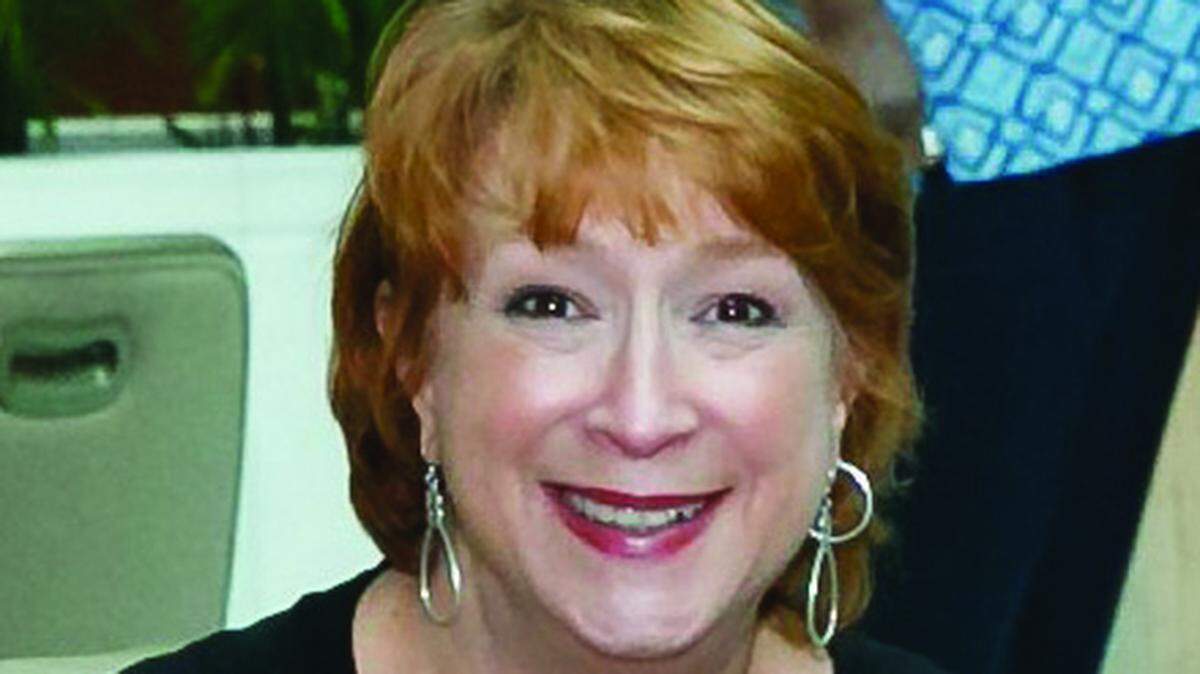
Succeeding longtime director Becky Naugle, who retired in May, is Kristina Joyce. She has more than 30 years of experience in entrepreneurship, business analysis and economic development. She has a bachelors degree from Marshall University and a masters from Grand Canyon University. She was the state director of the West Virginia Small Business Development Center and most recently she was program administrator for the Southern West Virginia Community and Technical College Entrepreneurship and Business Coaching Center. She talked with Tom Martin.
Question: How do you define “small business?”
Answer: Our core grant funding comes from the U.S. Small Business Administration. And its definition of a small business is a company with 500 or fewer employees. That’s just about every business in Kentucky and similarly throughout the country.
Q: Can you give us a menu of services that the SBDC provides?
A: One of the most unique things that we do is one-on-one business advising. And that is something that means so much to so many people. Sometimes that small business person needs an ear and sometimes they need a shoulder. And then once they get that out, you can start talking about the nuts and bolts. So, it’s a confidential trusted advising relationship. That’s the hallmark of SBDCs.
The other thing that we do is provide education and training. The Kentucky SBDC is affiliated with the University of Kentucky and other partners in academia in other areas of the state. Lifetime learning is key in any kind of career path. So, you’ve got one-on-one engagement. You’ve got training and education, elevating skills. And then a third component, which I think is also a hallmark of SBDCs, is our collaborative nature, our ability to be able to connect folks to where they need to go. We also have the capacity to tap into other’s expertise and collaborate effectively. So, you’ve got one-on-one engagements, you’ve got education, and then you’ve got connections.
Q: These days, one of the most challenging aspects of running a small business is managing healthcare for your employees. Is that an area where you can point to expertise for advice?
A: Absolutely. And remember too, when folks come through our door, it takes a little while to learn exactly where their pain point is. Healthcare may be it. Finance might be it. Management. Or an exit strategy for existing companies. We work with all types of companies, from newbies all the way up to folks who are thinking about selling their company, and creating another company or they want to get to that next level and they want to expand and grow.
Q: What are the toughest issues confronting small business owners in today’s economy?
A: If you asked small business owners and entrepreneurs, they would probably point to financing. It’s difficult, especially after 2008. Banks tend to be more risk averse. However, on the flip side of that there are also opportunities. We’ve also seen new types of funding opportunities become available. I usually tell folks that we want to try to help them get their financing or investing, but the most important part of that is the next step: what do you do after that? Because that will determine and set the tone of your future success.
Q: What are some common mistakes that you can help startups and early stage small businesses avoid or prevent?
A: You’re almost afraid to let anyone know that you don’t know certain things. People ask, “Well, how is it going?” And you say, “Oh, it’s great.” And inside, you’re thinking “Oh my gosh, I don’t know what I’m doing. I need some help.” So, number one, I would say please don’t be afraid to seek out that assistance.
Q: And this is a place where a person can come, assured that their conversation about that shortcoming is going be kept in confidence?
A: That is one of the other hallmarks of the SBDC system. We have very strict guidelines for confidentiality. We do not share that information. Because quite frankly, when folks come in to talk about their business, they’re talking about their baby. They’re talking about their life as an entrepreneur, as a small businesswoman. I used to get tickled if somebody said, “Oh, well, it’s not personal. It’s just business.” I’m afraid I have to disagree with that. When it’s your company and you’re the entrepreneur, it’s always personal.
Q: Any advice on how to avoid burnout?
A: Well, first of all, I believe that it’s very important for entrepreneurs and small businesses to self-evaluate and to be honest in that self-evaluation. Most small business love what they do. They love that technical side, whether it’s baking cookies or an IT corporation. They love that part of it. But it takes a lot to put together a company. So, being aware of your strengths and weaknesses and then being very honest with yourself about, “OK, will I really do my QuickBooks, will I really get in there and learn this? Or do I need some help?” SBDC can help keep you on track and then also to realistically think “All right, so, if I’m not going to do this piece of the business, then perhaps I need to hire someone and what does that look like and am I capitalized enough to be able to do that?” A business coach can help you work through that.
Q: Adding a new employee can be troublesome. The cost in terms of equipment, benefits, taxes, bonuses, and so on keeps going up.
A: Yes, it does.
Q: Does the center offer guidance in this area?
A: We can sit down and talk about what that looks like and where they are financially. I ask: how is that going to help the growth of the company? How is that going to help your bottom line? You need to sit down with someone that can understand finances, that can do some forecasting to see if it makes sense.
Q: A very common mistake among small business owners is working in the business rather than working on the business. What do you think?
A: I’m smiling here because I use that phraseology a lot. You get so wrapped up in the day-to-day and it is very hard. There are so many different facets to it and part of this is self-realization. A true leader will know that. Sometimes you learn this stuff the hard way. But as long as you’re “failing forward” and you learn from it, I think that you’ll be OK. All of a sudden you’re exhausted and you feel like you’re running in quicksand. You have to stop. An SBDC adviser can tease out what the company really needs and then you can start working your way towards implementing them in your business plan not only today, but in in the future.
This story was originally published November 1, 2018 at 1:34 PM.