
Pandemic causes ‘fundamental changes’ to Lexington office market. What comes next?
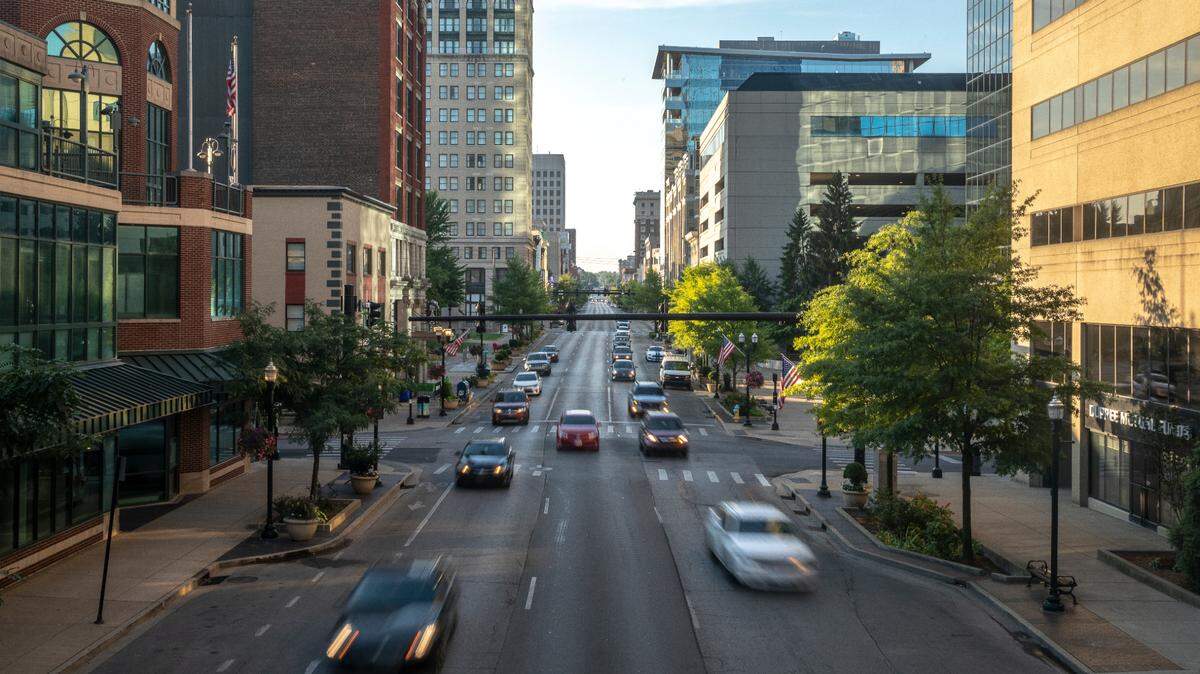
The office. Remember the office? The office-place? If you’re among the many now working from home you may be wondering what will greet you when return. In an interview for Eastern Standard on 88.9 WEKU, Tom Martin gets the views of one who makes it his business to study emerging trends: Lexington commercial real estate broker, Jamie Schrader.
Martin: What have you been encountering as this pandemic has brought on so much change?
Schrader: We’re almost exactly 6 months into this cycle. People are concerned about cleaning, janitorial, sanitary. Anybody involved in medical is particularly concerned about that. That’s one of the first things we received inquiries about. Obviously, there’s an emphasis on touch-free. Anytime you don’t have to touch a handle or a door, that’s a desired thing. Some people just immediately closed their operations because they had to, starting in mid-March.
Martin: What kinds of trends - for better or worse - are taking shape?
Schrader: Well, one is in the multifamily or the apartment business. There is a huge number of 20-somethings that are now living at home. I saw a statistic recently that said approximately one half of all 20 somethings are now living at home. Now, that was a trend that was already continuing over the last 5 years due to some economic uncertainty and younger people in the workforce having trouble getting started in careers, and also student debt, but COVID-19 has really resulted in a lot of 20 somethings moving to their parent’s home. And also, there seems to some movement to the suburbs where you have a little more green space, a little more open air, a little more social distancing. So, it will be really interesting to see how our big urban centers that have been growing so rapidly are impacted by this, long-term.
Martin: What about lease delinquencies? Are you seeing any commercial clients turn to their force majeure clauses?
Schrader: Yes, landlords have been working with tenants due to force majeure. Force majeure is a term that’s often included in a lease that means “superior force” and it’s for an unplanned, unexpected event. Frequently, that clause will not include pandemics. Now, landlords want tenants to succeed and they will work with tenants when it makes sense. I think a really good example early-on was a nail salon. 100 percent of the revenue is from people coming in and having work done on their nails. They’re a sole proprietor. If they’re not open for business, they have limited ability to pay rent. Certainly, that’s different than a publicly-traded company that has a balance sheet with cash on it and has been in business a long time. So, landlords have tried to work with tenants to keep them going.
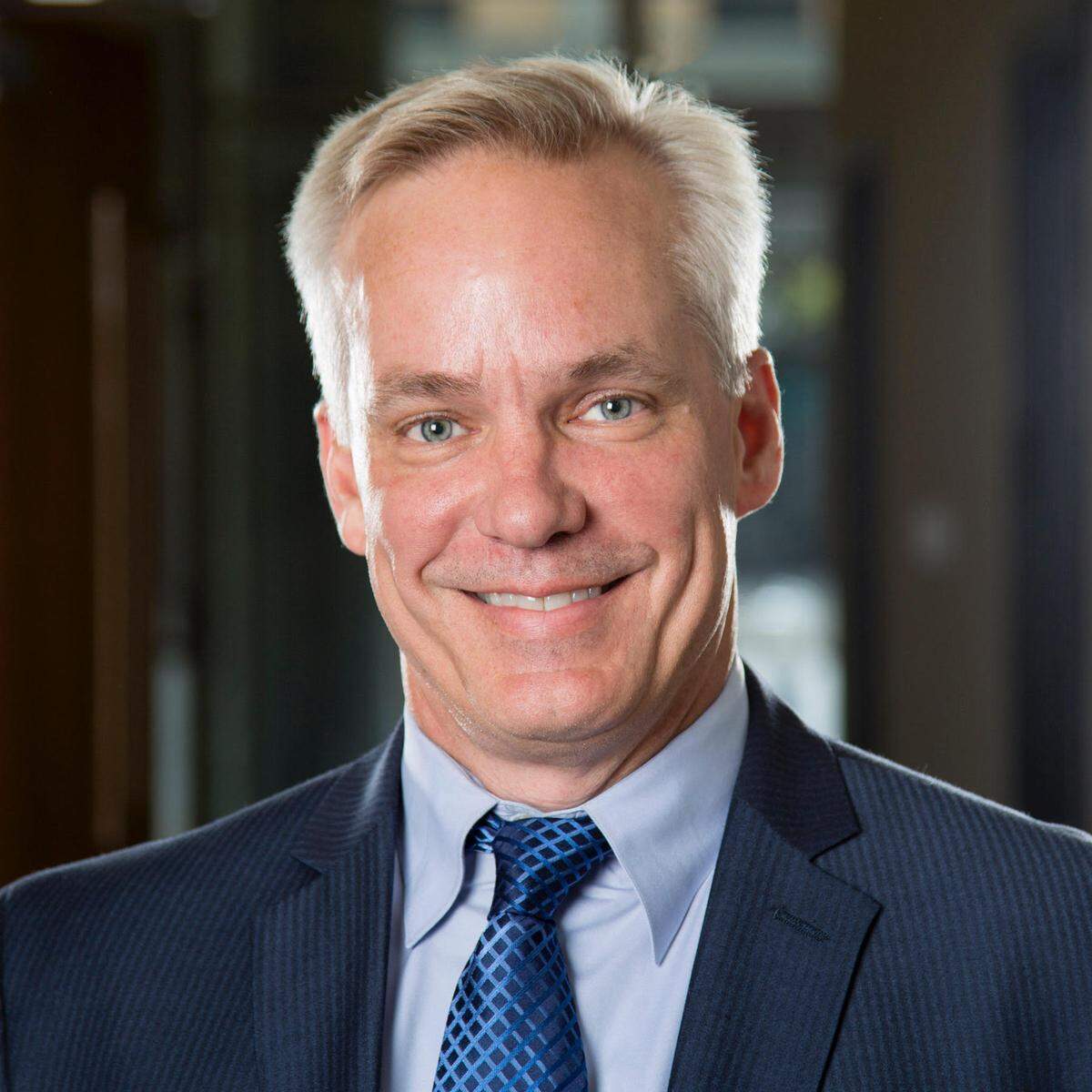
Martin: Many businesses are contemplating keeping workers home for quite a while. Are you hearing of employers using this time to rethink what their office is going to look like when employees do finally return?
Schrader: Definitely. In all aspects. What most people need to realize though is typically office space is under lease. Sometimes those leases may be for 5, 7, maybe as far as 10 years. So, the corporation or the company is obligated under the lease and it’s harder for them to take significant steps when they have that existing lease in place. But people are rethinking how their offices are going to look, how many people will be in the offices. We had experienced a shift toward the open floor plan. More density in the workplace. Setup for collaboration, which meant you had more people in less square footage. That obviously was a savings to companies when they could pack more people into a smaller workspace. They had less rent burden, but that model may be changing. And I expect to see more individual offices. And while you might have people working from home, those people that lease office space may indeed lease more space per employee than they have in the past.
Martin: I’ve been hearing about the so-called “dynamic workplace.” It involves turning away from the open plan with the idea that with fewer employees, businesses can offer workers those who do come into the office more flexibility of layout and management. Are you hearing of any innovations in that regard?
Schrader: Well, I think some companies are able to adapt easier and can innovate more than others. Clearly, tech companies are better positioned to have people working from home. The reason some companies are coming back to work is because they want their people talking, collaborating, communicating, exchanging ideas. So, I think the flexibility in the workspace has a little bit to do with how companies do business, what their industry is, and what their objectives are.
It is hard for some people to work from home. Some people, believe it or not, like to go to the office. That’s part of their routine and I don’t think this is going to be the death knell of the office. I do think you will see more innovation as these leases come up for renewal and as people try to determine how much space they need, how they want to have it configured, and how their new office space will look going forward.
Martin: What are you hearing from the restaurants among your clientele about innovations, workarounds, figuring out how to keep going forward under really difficult circumstances?
Schrader: It’s a very hard market for most restaurateurs. Some restaurants just don’t lend themselves to a good carry-out program because of the type of food they’re preparing. They may have so much rent and overhead that it doesn’t make sense for them to try to do strictly carry-out.
Unfortunately, in Lexington, our weather is not like a Mediterranean climate or southern California and it’s going to get cold. And more restaurants will lose their outdoor seating. Now, I’m sure you’ll see more innovation there. There are going to be more people putting up tents and there are going to be more heaters outside and they’re going to do everything they can to extend the season. Probably the main bright spot right now would be quick-service restaurants and particularly those that have drive-thru windows. People don’t want to get out of their cars, don’t want to go inside.
Martin: While it’s been terrible for so many businesses, there are some who just happen to provide services or products that are needed as a result of this pandemic: tents, heaters, tables and seating for outdoor restaurant service, for example.
Schrader: No question about it. And some sectors of the commercial real estate market are doing better. Let me give you an example. Self-storage. More people are moving out of their apartments. More people are moving in with their parents. 20 somethings. The self-storage business has been quite busy. The industrial market has been very busy, typically your warehousing goods. I think of an Amazon fulfillment center. The industrial market continues to be fairly strong. All types of bulk warehousing space, data centers. Medical had a very tough period when patients weren’t coming in, but the medical business and the commercial real estate sector continue to be pretty solid.
Martin: The chief medical officer of the World Health Organization has advised that a return to pre-COVID life is not likely until sometime in 2022. What do you see when you look down the road?
Schrader: The longer it goes on, the more people will innovate. The governor can change his restrictions, but what you also have to have are people that are confident and willing to go outside, willing to go to a restaurant. If there’s a change in restrictions, that doesn’t mean someone at 75 years old is just going to go out and immediately start conducting their life and their operations like they did pre-COVID. I don’t think it’s going to be an immediate return to normal even if we come up with a vaccine and cases are reduced. It’s going to be a gradual situation. So, I think that as it goes on longer, you’ll see more fundamental changes in business.