Lexington Blue files for bankruptcy, owes $3.2 million to customers, former employees
AI-generated summary reviewed by our newsroom.
- Lexington Blue filed Chapter 11, owing $3.2M to customers and employees.
- Pagel blamed cash advances, bank changes, and staff betrayal for collapse.
- EEOC and Kentucky Labor Cabinet list claims exceeding $1.4M in total.
READ MORE
Herald-Leader investigation into Lexington Blue
Lexington Blue, a local roofing company, is being investigated by the Kentucky attorney general for fraud.
Expand All
Failed roofing company Lexington Blue owes more than $3.2 million to former customers and employees, as well as the Kentucky Labor Cabinet and federal officials, according to the company’s bankruptcy petition.
Owner Brad Pagel filed Monday for Chapter 11 federal bankruptcy protection, meaning the company could reorganize and potentially continue operating while repaying creditors.
But Pagel is also facing a lawsuit from the Kentucky Attorney General’s office, which last month obtained a temporary court order to freeze Pagel’s assets and force Lexington Blue to cease all business.
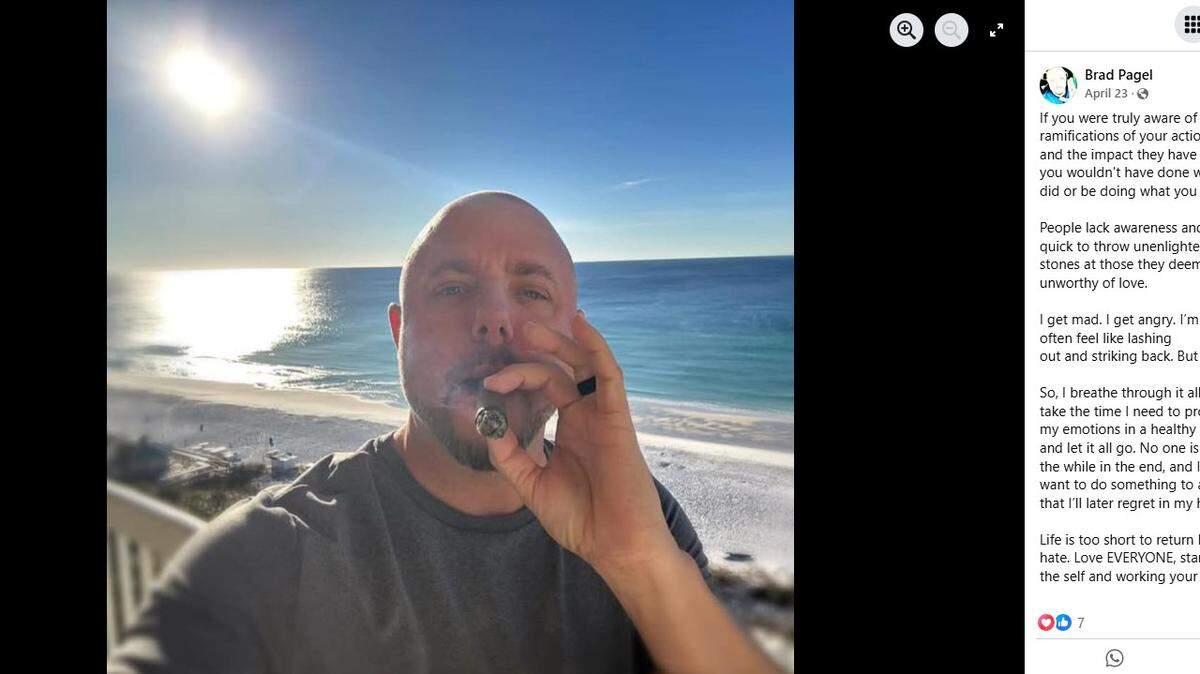
Pagel has not responded to multiple requests for comment. In social media posts, he has said he is being “vilified.”
His bankruptcy attorney, J. Christian A. Dennery, declined to comment Tuesday.
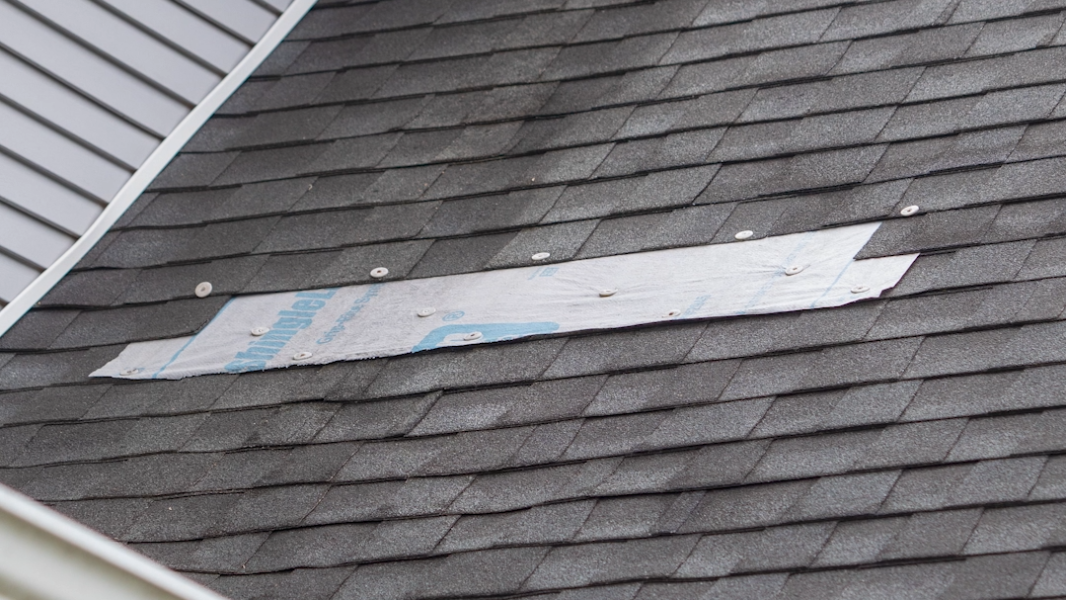
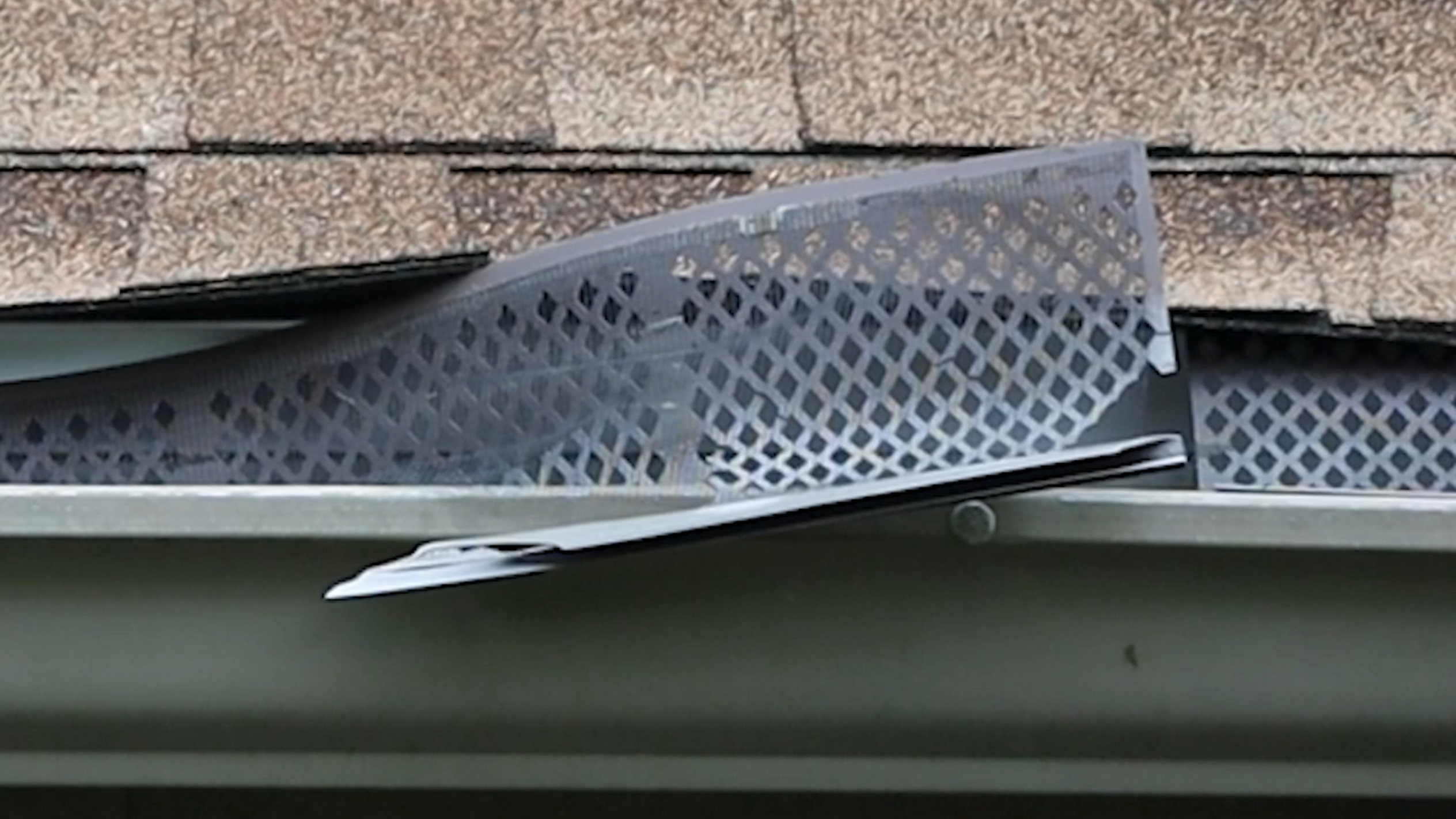
Pagel and his company have been the target of intense scrutiny in recent weeks, as Herald-Leader reporting revealed numerous homeowners who said they paid Lexington Blue for repairs that were never completed, and former employees said Pagel operated the business as “a cult” and encouraged them to commit insurance fraud and to take drugs.
According to the bankruptcy filing, Pagel owes money to at least 263 roofing customers in Lexington, Louisville, Frankfort, Georgetown, Nicholasville, Paris, Versailles, Richmond and other Kentucky cities as well as more than a dozen in Ohio.
Pagel listed more than $3.2 million in known debts with less than $50,000 in assets for the company.
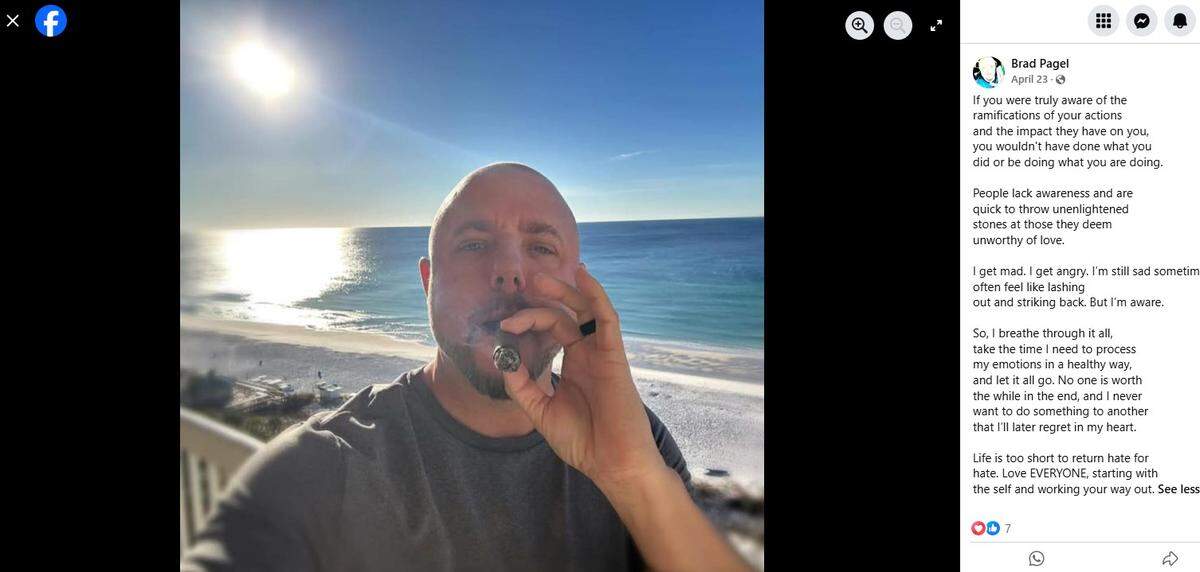
Pagel is seeking to ”assign” the customers to qualified third-party contractors who can fulfill Lexington Blue’s obligations, according to his declaration with the bankruptcy petition.
He shut down his company abruptly in April.
Federal agency acting against Lexington Blue
Lexington Blue’s debts are widespread, according to new documents.
The company owes at least 28 employees who are part of a case filed through the Equal Employment Opportunity Commission, a federal agency that enforces laws prohibiting workplace discrimination and investigates complaints of discrimination based on race, religion, sex and other factors.
The EEOC previously said it could not comment on whether they were investigating complaints against Pagel or Lexington Blue.
But the bankruptcy document says Lexington Blue owes $700,000 for an “EEOC charge for compensatory and punitive damages to a class of at least 28 former employees who claim that they were subjected to a hostile work environment.”
At least 10 former employees, including Andrew Stringer, the job candidate who sought a protective order against Brad Pagel, are also listed separately as creditors who are owed $25,000 or $50,000 apiece for EEO charges against Lexington Blue, according to the filing.
The Kentucky Education and Labor Cabinet is listed as a creditor, too, with a claim of $700,000 for a workers’ comp claim.
Both the IRS and the Kentucky Department of Revenue are also listed as creditors, although dollar amounts are not listed.
According to a 2023 tax return for Lexington Blue, filed with the bankruptcy petition, the company had nearly $6.3 million in sales that year, with gross income of more than $2 million, but reported a business loss of $129,611 after deductions.
What Pagel said about why Lexington Blue went bankrupt
In Pagel’s statement in support of the bankruptcy petition, he said that he had “not been actively involved in the day-to-day operations of the company for some time.”
He said the company, founded in 2015 to focus on insurance-funded residential roofing services, experienced steady growth before 2021, when Lexington Blue “began relying on a series of high-interest merchant cash advance loans, initiating a cycle of aggressive repayment that quickly depleted the company’s cash flow.”
He did not identify why he sought that risky form of financing rather than more traditional secured lines of credit.
By mid-2023, although Lexington Blue’s sales volume was at an all-time high, Pagel said, there were “mounting failures in back-end collections and operational and administrative oversight.”
In August 2023, Lexington Blue switched to a new bank, “triggering account freezes, check holds and cascading operational failures. Throughout Fall 2023, (Lexington Blue) struggled to pay vendors and subcontractors, leading to job delays and reputational damage.”
As vendors suspended credit, warranty claims surged due to substandard installations, Pagel said. Then, in August 2024, “the Cincinnati branch manager secretly formed a competing roofing company using (Lexington Blue) staff and resources.”
Pagel said he sold his home to inject capital into the company; real estate records show he indeed sold his Lexington home earlier this year for more than $1 million.
He said the company “does not have the means, resources, or the capital to answer for the losses incurred by the ... customers. (Lexington Blue) seeks to do the only thing that it can do — assign the contracts to a qualified third party who is ready, willing and able to complete the work due to the LB Customers,” according to the filing.
No third-party contractor is identified. Pagel previously told customers a subcontractor would take over their claims, but that person backed out after reviewing the contract, which did not include any payments from Pagel to cover expenses.
Pagel requested to file the full list of its roofing customer creditors under seal to prevent other potential bidders from contacting them.

.png)