
5 things to know about Lexmark, the longtime Lexington employer just sold
Longtime Lexington employer Lexmark International has been acquired by Xerox Holdings Corp. The two legacy printer and imaging manufacturing companies will operate as one after a more than $1 billion deal closed July 1.
No details have been made public about potential job cuts or additions and a Lexmark communications director told the Herald-Leader following the acquisition there would be no immediate changes to the company’s sites, including the one in Central Kentucky.
Lexmark has operated in Lexington since the 1990s and employed thousands over three decades including at its global headquarters on a sprawling campus off Newtown Pike and New Circle Road.
Here’s what else you should know about the history of the now-acquired company.
Lexmark’s founding and roots in Lexington
The company was founded in 1991 as a direct result of IBM creating a new, independent company for its information products already being designed and produced in Kentucky.
IBM, the same tech company that manufactured punch-card machines in the 1930s, entered the Kentucky market in the 1950s, according to the Kentucky Historical Society.
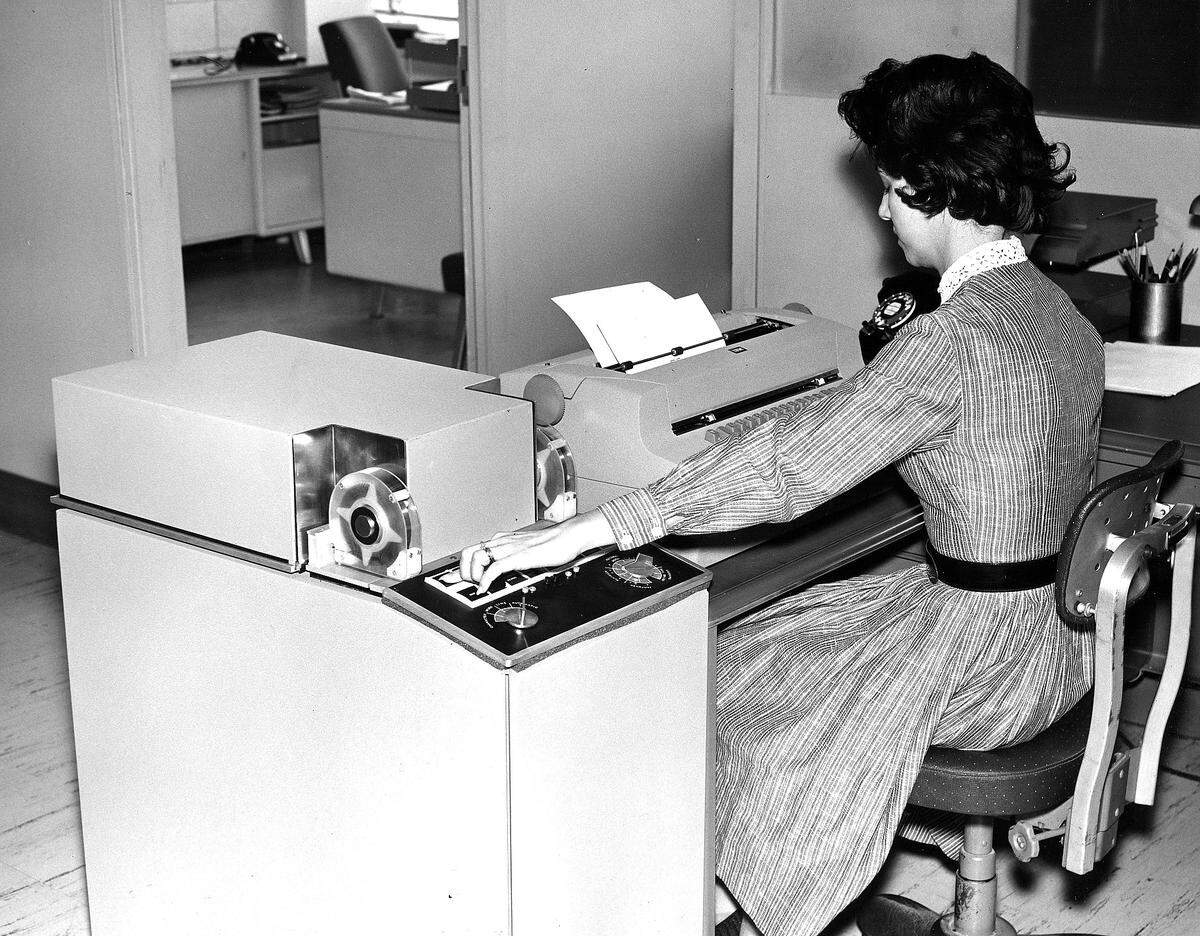
By then, it was producing computers and other digital tools. Then it established a manufacturing facility for its electric typewriters in Lexington after the local chamber of commerce created the Industrial Foundation to recruit companies that would diversify the region’s economy that relied primarily on the tobacco and horse industries.
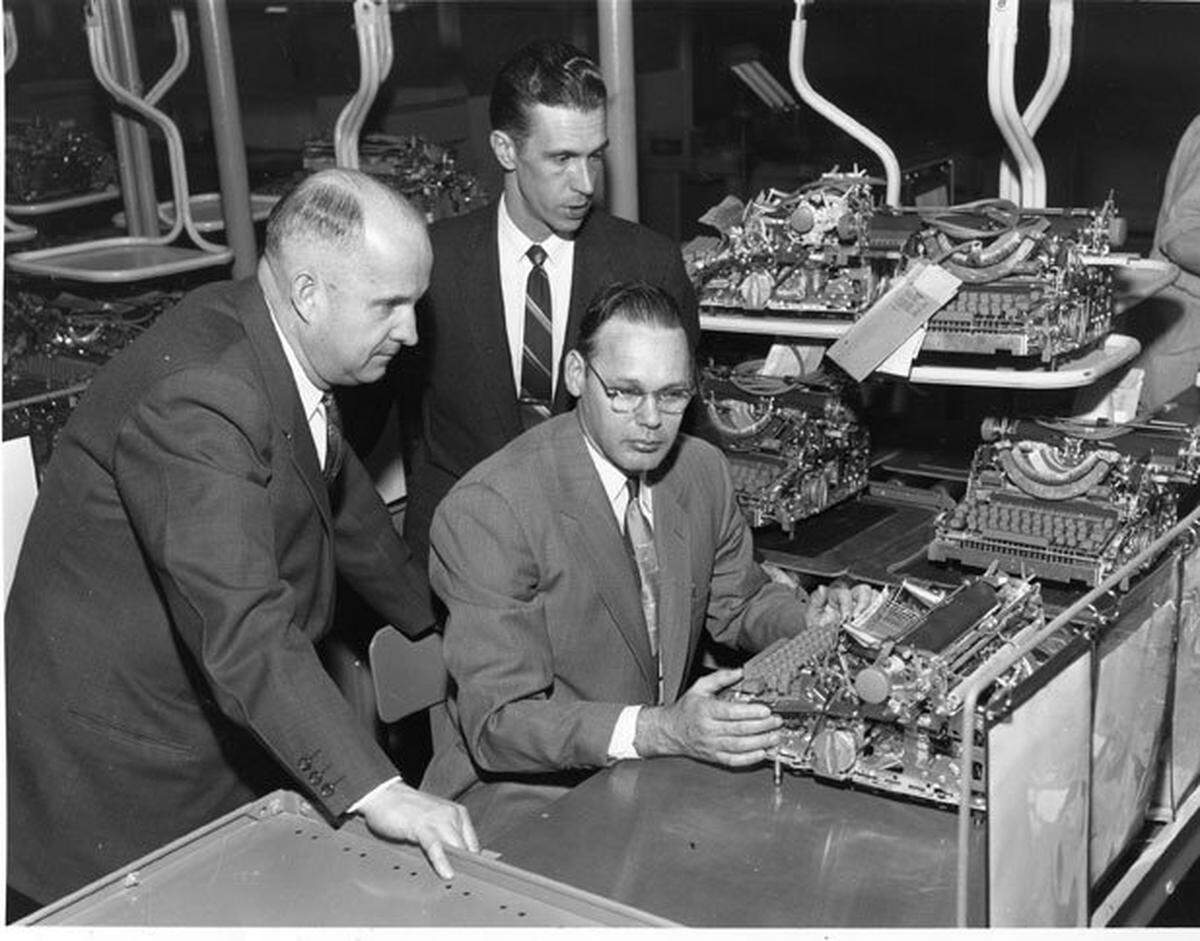
The company broke ground in 1956 and opened that same year. By 1985, it employed over 6,000 in Lexington, according to the Herald-Leader’s archives. Just a few years later when the company pivoted to computers, IBM sold its typewriter and keyboard business to a private equity firm creating Lexmark International.
Longtime major employer
Lexmark inherited some of the IBM workforce already working in its typewriter and keyboard divisions. By the 1990s though, IBM’s workforce had decreased, and Lexmark’s leadership continued to reduce jobs until the mid-2010s from about 5,000 to 1,200 through separation packages and some layoffs.
Pay at Lexmark varied widely based on role and experience, according to recent ranges added to the employment site Indeed. Technical, machine operator roles were on the lower end of the pay scale at approximately $20 per hour, or roughly $42,000 per year.
A Lexmark program analyst might have made close to $30 per hour, or about $60,000 per year. The company employed software engineers who likely were paid $50 per hour, or upwards of $110,000 per year.
Innovating products and changing focus
Shortly after its founding, Lexmark began manufacturing printers after partnering with IBM on two co-branded typewriters announced in 1992. It was a single color printer with an internal engine, likely the company’s first experiment with ink after only using toner.
The following year, Lexmark launched its first inkjet printer. It was a single color printer with an internal engine likely the company’s first experiment with ink after only using toner.
Amid launching new products and its first website, Lexmark became a public company on the New York Stock Exchange in November 1995.
By 2000, the company had launched an inkjet color printer and a printer-fax-copier-scanner combination product with color printing capabilities. It also added maintenance and consulting services to its portfolio of offerings.
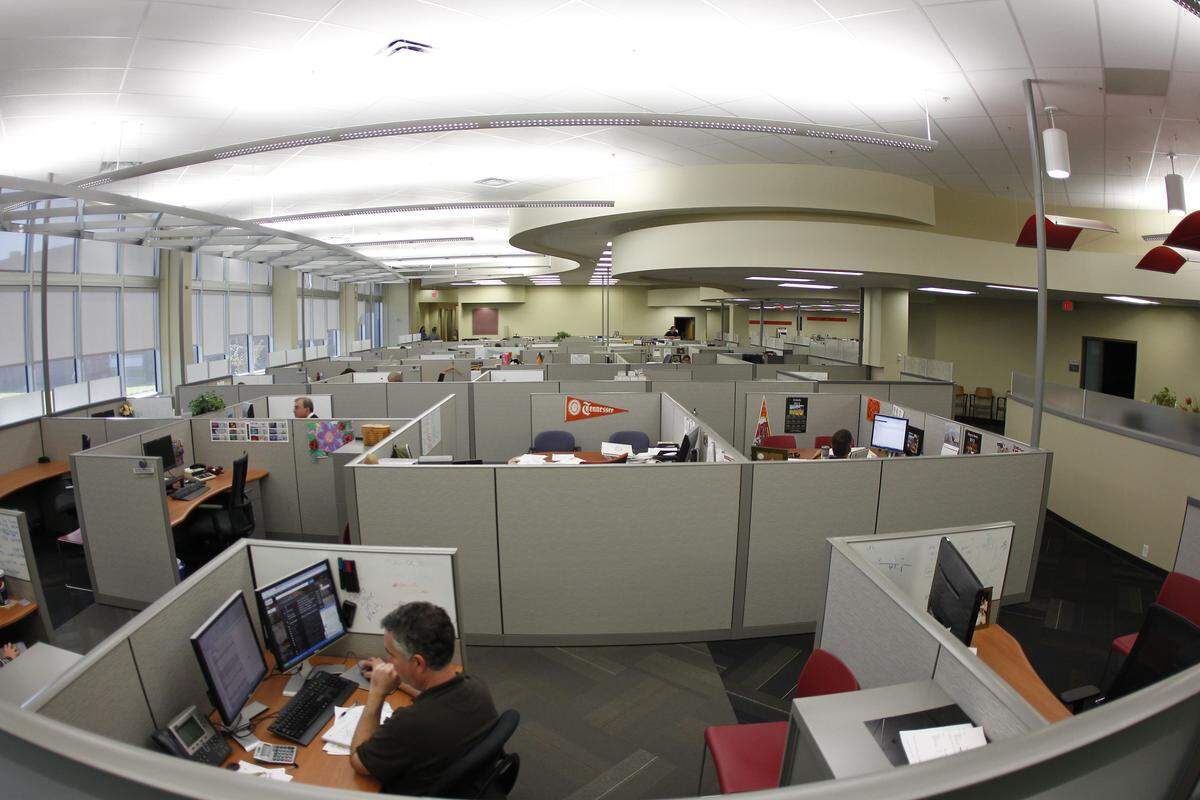
Lexmark introduced the industry’s first all-in-one inkjet printer with a color LCD screen in 2005 and shortly after in 2008, again expanded its laser product lineup.
An inkjet printer sprays liquid ink onto paper while a laser printer uses powder and a laser to fuse an image onto paper. Compared to laser printers, inkjet setups can produce higher quality color prints slowly, especially photos or other documents with detail. Laser printers are preferred by those needing to get a lot of text-heavy documents fast without having to pause the job for maintenance.
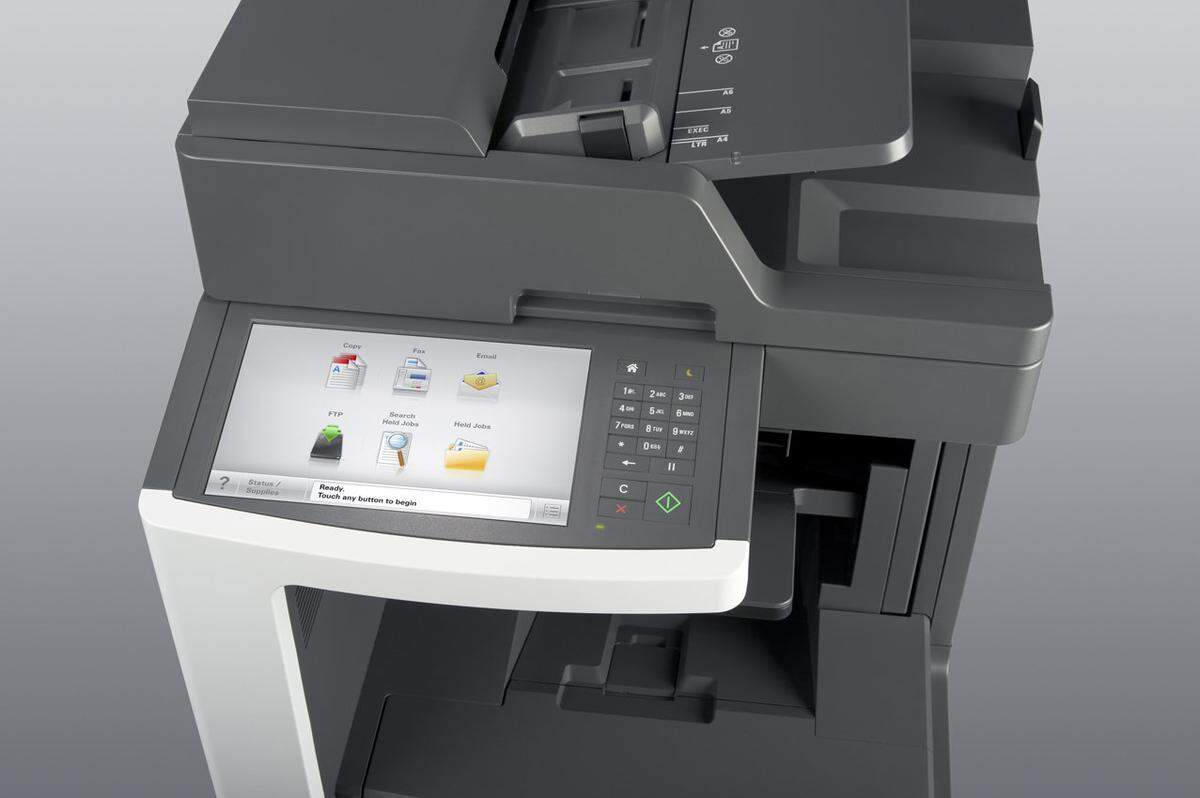
In the early 2010s, Lexmark said it was restructuring its divisions away from inkjet printers, announced a number of software acquisitions and said its focus would be on high-value imaging and products serving multiple purposes.
The company revamped its entire printer portfolio in 2018, including models with steel frames, faster speeds and integrated applications to increase productivity.
Then around 2020, like many other companies still working in the physical media space in the digital age, Lexmark launched a cloud technology series it said would help modernize its existing product lines.
Company hit milestones under public and private ownership
Most of Lexmark’s big product launches happened when the company was still publicly traded under the ticker LXK. From 1995 until 2016, the company was publicly traded and continued to launch new products when it came under private ownership.
In the mid-2000s, shares were valued between $90 and $95 each, indicating strong optimism about the company’s position in the market. At that time, Lexmark was taking big strides in color printing and adding services to its line of products.
One of the company’s highest points of revenue was in 2004 when it reported it had made more than $5 billion, according to its annual report that year. Around that time, the company was growing its list of offerings and saw robust sales of both its inkjet and its laser printers. After that year, the company spent upwards of $3 billion repurchasing its shares in an attempt to prop up its own stock.
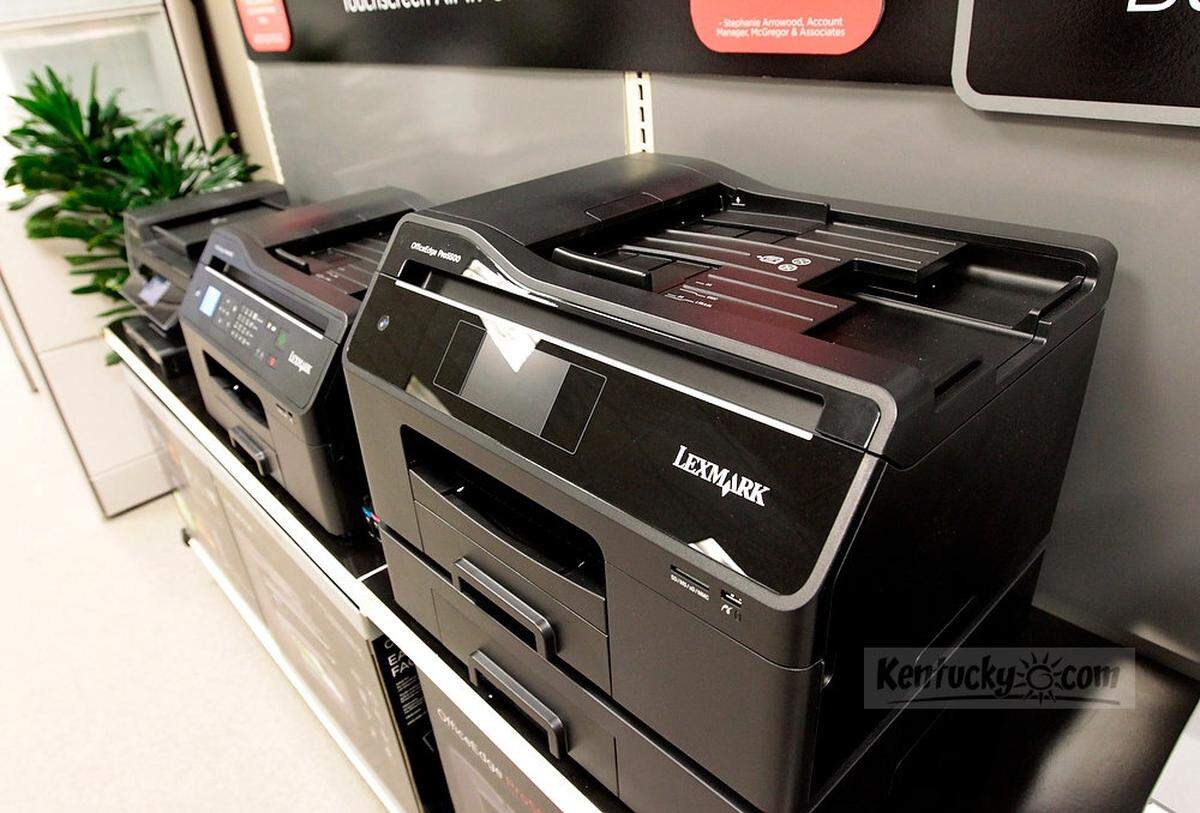
In 2015 as the company diversified its list of products, its anticipated gains from what it considered value-add services didn’t help its bottom line, market forces shifted and the company saw a sharp decreases in revenue. When the company was acquired in 2016 by a small group of Chinese investors and taken off the stock exchange, Lexmark’s shares had stabilized, but were well below historic highs at just $40 each.
Xerox, the print company that acquired Lexmark this year, is a public company. Xerox’s revenue in 2024, $6.2 billion, was down almost 10% from the preceding year, and its shares were down more than 50% last December compared to the start of 2024.
Business legacy
Lexmark quickly became a recognized leader in printers and imaging and served a number of sectors including government, education, health care and a variety of professional services. It made several acquisitions in an effort to expand its business.
The company has notoriety in and around Kentucky for its work to improve and integrate supply chain processes. That strategy influenced not just its own operations, but others in the region.
Its history also includes some perceived negative business practices and legal battles that also quickly became part of its legacy.
In the early 2000s, Lexmark used federal copyright and patent laws to block third-party companies from refilling and reselling its printer cartridges. The Supreme Court intervened in the appeals process and ruled Lexmark had falsely advertised some of its software and that its restrictions on cartridge reuse were not enforceable. The company’s effort to lock down its place in the printer ecosystem and limit a secondary market for cartridges was criticized widely as being anti-competitive by consumer advocates.
The company was also criticized more locally by a former employee as the company began to pivot away from its inkjet division and looked to strengthen other parts of its business by investing in things that didn’t seem to bring in money.
An AI tool assisted with compiling and summarizing the takeaways in this story. It was then edited by Herald-Leader journalists. This story was updated on July 16, 2025, to clarify where Lexmark’s headquarters was and when and was updated to clarify the years the company was public. It was also updated to add attribution and links to Herald-Leader archives throughout. The story’s cutlines were also updated to clarify that the images were pulled from the paper’s archive and are not recent.
This story was originally published July 9, 2025 at 8:57 AM.
.JPG)