Could bankruptcy be in the works for a potentially insolvent whiskey start-up?
AI-generated summary reviewed by our newsroom.
- Federal judge ordered receivership for Uncle Nearest after $100M loan default.
- Farm Credit alleges asset discrepancies while Weaver family rejects bankruptcy.
- Company seeks new investors to acquire loan amid growing unrest from backers.
What’s next for Uncle Nearest, the troubled whiskey brand heading into receivership?
On Aug. 14, U.S. District Judge Charles E. Atchley Jr. in Tennessee granted a Kentucky lender’s request to place Uncle Nearest, which sells the Nearest Green whiskey family of whiskeys and bourbons, in the hands of a receiver.
The judge’s order makes it clear that the road to sound financial footing for the Uncle Nearest has quite a few hurdles to get over.
Later this month, Atchley will select a receiver who will be in charge of preserving the assets of the company and figuring out a way to protect the investment of Farm Credit Mid-America PCA, which loaned Fawn Weaver, her husband Keith and their company more than $100 million.
Fawn Weaver built the brand Nearest Green, named for an enslaved man who may have helped create Jack Daniel’s, into the largest Black-owned spirits company, worth $1 billion by their own estimates.
The judge indicated there is value in having Weaver remain the face of the brand, but for now, she won’t have an active hand in the financial affairs.
Uncle Nearest lawsuit background
The Weavers founded Uncle Nearest in 2016 after Fawn Weaver read a New York Times article about Nathan “Nearest” Green.
Uncle Nearest is privately held, owned by the Grant Sidney investment company, which is owned by Fawn Weaver. She and Keith Weaver are the largest shareholders. According to an article in Forbes, there also are more than 163 individual investors who contributed more than $225 million.
Beginning in 2022, Farm Credit issued a series of loans that allowed expansion in some unusual directions.
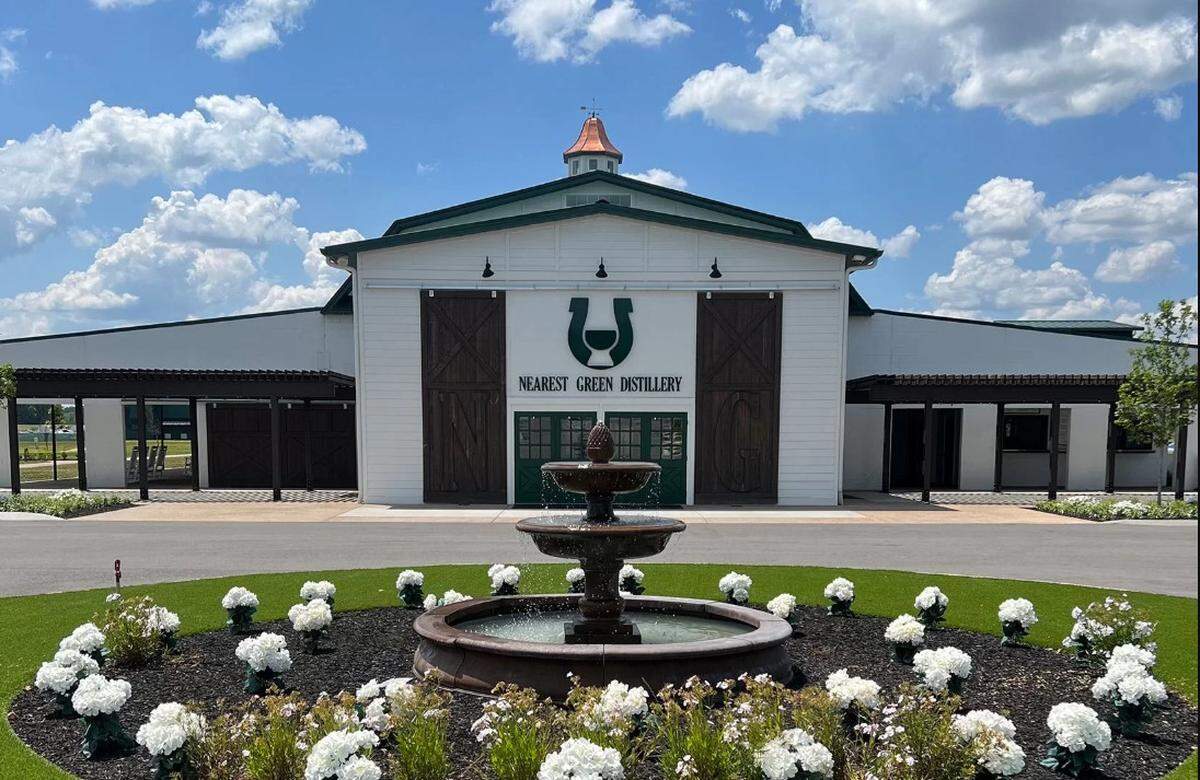
Beyond building a 458-acre distillery that has become a huge tourist draw in Shelbyville, Tennessee, the Weavers also purchased a house on Martha’s Vineyard and a cognac house in France.
By July 2023, the Weavers had defaulted on the loans multiple times, according to court records. Farm Credit repeatedly waived these issues and even increased the amount of the loan after assurances that Uncle Nearest was continuing to grow.
But by January 2024, Farm Credit was clearly less sanguine: The bank wanted more financial information.
As Uncle Nearest continued to miss payments, Farm Credit noticed a “significant” discrepancy in the number of whiskey barrels used as collateral for a $24 million loan. The Weavers have said they are the victims of fraud and blame former chief financial officer Mike Senzaki.
After more than a year of back and forth, Farm Credit sued in July to recover more than $108 million in outstanding loans and filed the emergency motion for a receiver.

Is bankruptcy a possibility?
With the loans possibly exceeding the value of Uncle Nearest’s assets, according to the court filings, could the company be heading next to bankruptcy court?
According to an email obtained by the Herald-Leader, Fawn Weaver told her investors Thursday that they have rejected recommendations to file for bankruptcy.
“Both the bank and the financial advisors working with them, as well as the restructuring company engaged on our side, spent the past three months urging us to file for Chapter 11 bankruptcy,” Weaver said in the email.

“While that approach might have been more straightforward for us personally — and would have allowed us to control the narrative in the press — we chose instead to risk receivership ... A Chapter 11 might have benefitted us, but it would not have benefitted you.”
Tapping into investors
Instead, Weaver said, they focused on putting together investors to purchase the loan from the bank, which she said has not been willing to “come to the table.”
“The judge was not aware of this when the ruling came down, but we will update him in the coming days — before he makes a final ruling on the 20th,” Weaver wrote in the Aug. 14 email to investors. She said they would be meeting with investors on purchasing the loan.
“We will continue working to move this loan from the current bank to a new noteholder,” she said.
In an interview with the Herald-Leader on Aug. 4 before the judge issued a gag order in the lawsuit, Keith Weaver said that the bank “has said ‘we don’t want to be in this space any more,’” meaning investing in whiskey.
“Do we want to pay our debt? Absolutely. Are we questioning the amount, no. Can we service the debt, yes,” Weaver said earlier this month. “It’s a tough economic climate and there might be some fatigue in the sector, but let’s figure this out.”
But some investors apparently are growing restless. “We would like audited financials — a true evaluation,” an anonymous investor reportedly told the Moore County Observer last week, saying that “there is a lot of unrest and unhappiness” among backers.
This story was originally published August 15, 2025 at 10:37 AM.