
For boutiques, making customers feel special is key to survival
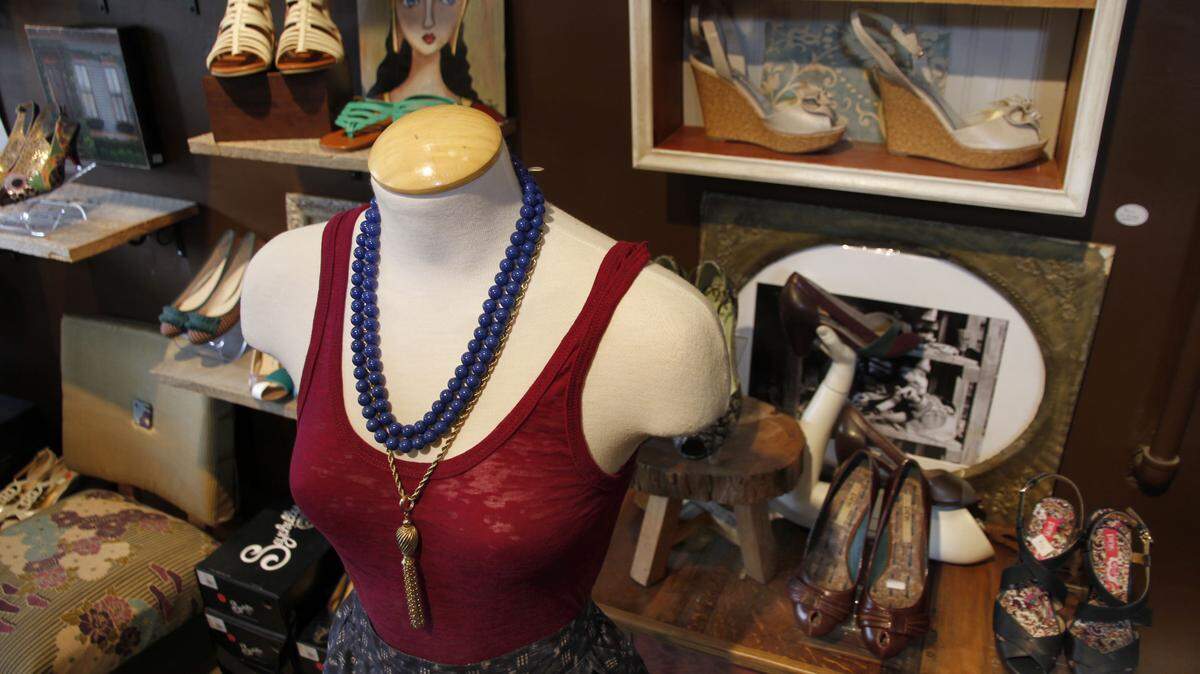
As the recession dominated the economy the past two years, Lexington's boutique clothing stores felt the effect. Some inevitably closed, but business owners who survived said that even in a tough economy, local shoppers want one-of-a-kind clothing and are willing to pay for it.
Fashion boutiques in town created their niches by carrying only two or three of each clothing item sold. With designers and brands ranging from classics like Kate Spade to up-and-comers like Kirribilla, customers want to know that they won't see the same dress on every mannequin around town.
This summer's business has been better than last, said Melanie Williams, owner of The Black Market at 516 East High Street. She thinks that in uncertain times, listening to the buzz from customers is key to a boutique's success. When she noticed that many customers were asking about shoes to wear with their new outfits, Williams expanded her store to sell more shoes. She also started carrying some men's T-shirts in response to what she heard from clients.
"It's a very difficult business, and you have to take some hits," Williams said. "You want clothes that are not too unique that you would have to be super-edgy or crazy to wear them, but you want customers to feel they are getting something different."
"By having so many options, it helps the business," she said.
Allison Herrington, manager of Bella Rose at 126 West Maxwell Street, said customers value individuality, even in difficult financial times.
"People definitely want unique items, something special you are not going to see everywhere else. Even in difficult economic times, people still want specialty items, to keep things new and fresh," she said.
Herrington said Lexington is a great market for boutiques because Keeneland and the Kentucky Derby bring the desire for a special outfit. Bella Rose, which is celebrating its 30th anniversary, has survived many tough economic times, and Herrington said she understands why other boutiques made the decision to close after spending so many years in the industry.
"I think those stores closed partly because of the economy, and it's difficult to keep the creativity flowing and keep new merchandise coming in. It is easy to get burnt out," Herrington said.
Lori Houlihan, former owner of Isle of You, made the decision to close her boutique in July 2009. She said burnout is definitely a factor in running a boutique because of the high demand to constantly revamp your inventory.
"I knew it was going to be a really hard year for the economy, and I wasn't ready to commit to that," she said. "You have to be constantly reinventing your business and constantly stay inspired. It's extremely rewarding and exhausting at times."
Houlihan said she knew it was time to move on when she began dreading going to market to buy new clothes for her store.
"I didn't enjoy doing that anymore, and that was supposed to be the fun part," she said.
Ensuring that your items are unique can be difficult, said Howard Rackmil, owner of Worlds Apart, which has locations at Lexington Green and 850 East High Street. Rackmil said that with new items coming in every week, it is important to refresh your inventory often to make customers think they are getting something no one else may have.
"You don't want 100 women wearing the same dress because chances are they are going to run into each other," he said. "If you shop at Banana Republic or J. Crew, after a while you are going to start seeing yourself everywhere."
Although variety and individuality are important, Rackmil said, boutiques offer a sense of community that you can't find at a corporate store. At many boutiques in town, the store owners are the ones working the register and opening dressing rooms. Customers call the owners by their first names and openly suggest new brands or items to sell. Those exchanges are what Rackmil thinks keeps him in business.
"All of us are local. We live in the community and know what our customers want," he said. "We are hands-on and local. It's just so much better than the malls."
This story was originally published September 6, 2010 at 12:00 AM.