
Long John Silver's, A&W franchisee sues Yum for fraud
A Lexington-based company that operates franchised Long John Silver's and A&W restaurants is suing Yum Brands, the chains' parent company, claiming the Louisville fast-food giant fraudulently convinced it that the restaurants would be a success as opposed to the "abject failure" they became.
Treasure Isles Inc. filed for bankruptcy protection earlier this year. Through its three legal entities, the company operates 26 Long John Silver's restaurants in Illinois, including six co-branded Long John Silver's and A&W restaurants, and four Fazoli's restaurants in Virginia.
The Feb. 1 filing indicated the business had 100 to 199 creditors and its largest unsecured claims belonged to Long John Silver's, which was owed more than $1.26 million.
It was a demand by Yum Brands for payment, or have its franchise rights revoked, that prompted Treasure Isles to file for bankruptcy protection, according to the lawsuit.
In the suit, the company blamed its bankruptcy on Yum, saying the Louisville-based company failed to support the co-branded restaurants with marketing and struck a deal with a group of owners of stand-alone A&W restaurants that led to increased costs.
"We believe it's a very serious claim, and we're looking forward to presenting it in court," said Wayne Mack of Duane Morris LLP, which is representing Treasure Isles.
Yum spokeswoman Virginia Ferguson said the lawsuit does not have merit, "and we intend to vigorously defend our position."
In 2000, Treasure Isles was the first franchisee to open co-branded Long John Silver's and A&W locations, in which the restaurant offers both brands from a single location. The company invested $5.4 million in converting seven Long John Silver's locations into the co-branded restaurants, although one later closed, according to the suit.
By 2009, Yum stopped offering co-branded A&W and Long John Silver's restaurant franchises for sale, the suit states, adding that Yum's efforts until then "to co-brand A&W and LJS products was an abject failure." The suit also claims Yum sold 186 co-branded stores that it owned at "fire sale" prices and removed the A&W brand from all 100 co-branded A&W and KFC restaurants, too.
Yum also failed to use about $15 million that was budgeted for advertising the co-branded restaurants, according to the suit.
The restaurants were dragged down, the suit stated, by Yum's alleged deal with the A&W single-brand owner association that stipulated that "A&W and LJS menu items would not be cross-promoted in co-branded restaurants and that all advertising for the A&W and LJS products would be separate and distinct."
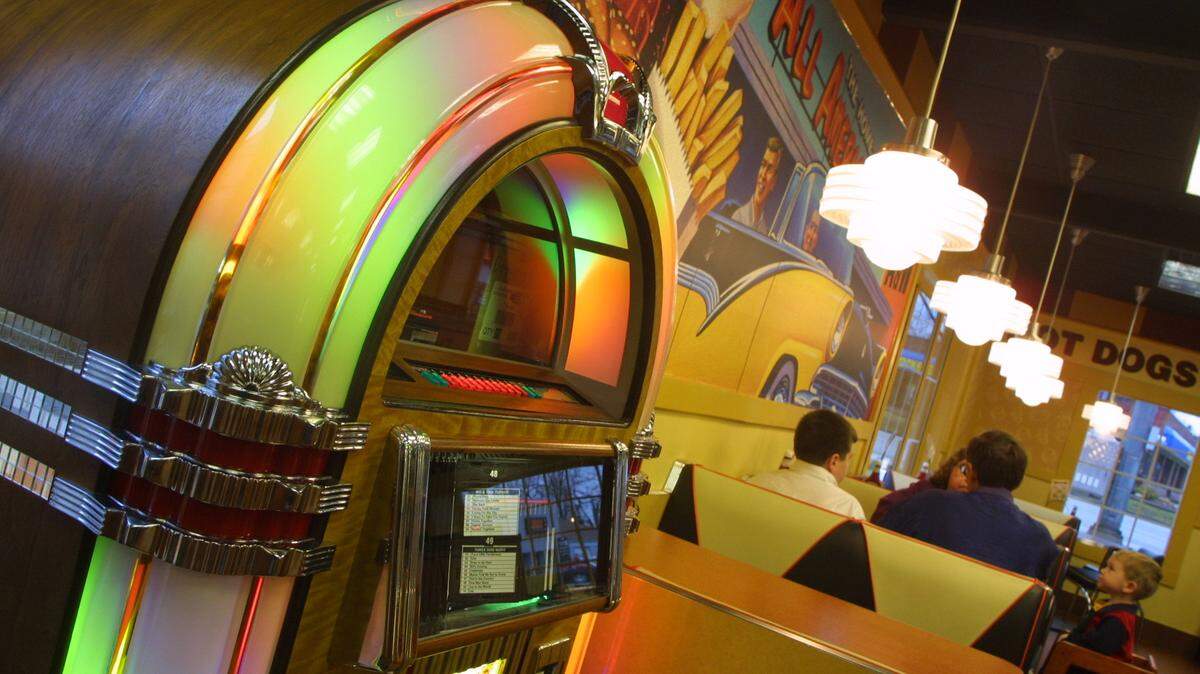
That deal led to higher equipment costs, the suit said, as co-branded restaurants were required to install broilers costing $10,000, while single-brand A&W restaurants were allowed to use flat grills that cost about $4,000. Co-branded restaurants also were required to install jukeboxes costing $5,000 each and that came with music-rights fees and maintenance costs, while single-brand A&W restaurants were not required to have them.
Treasure Isles argues it wasn't made aware of those agreements in advance and Yum had said there were no agreements limiting use of the brands, the lawsuit alleges.
Yum's "actions have destroyed Treasures Isles' business and ultimately forced Treasure Isles to file for bankruptcy protection with this court," the suit stated.
This story was originally published September 22, 2010 at 12:00 AM with the headline "Long John Silver's, A&W franchisee sues Yum for fraud."