
Lexmark lays off more than 550 in Lexington, to close inkjet printer division
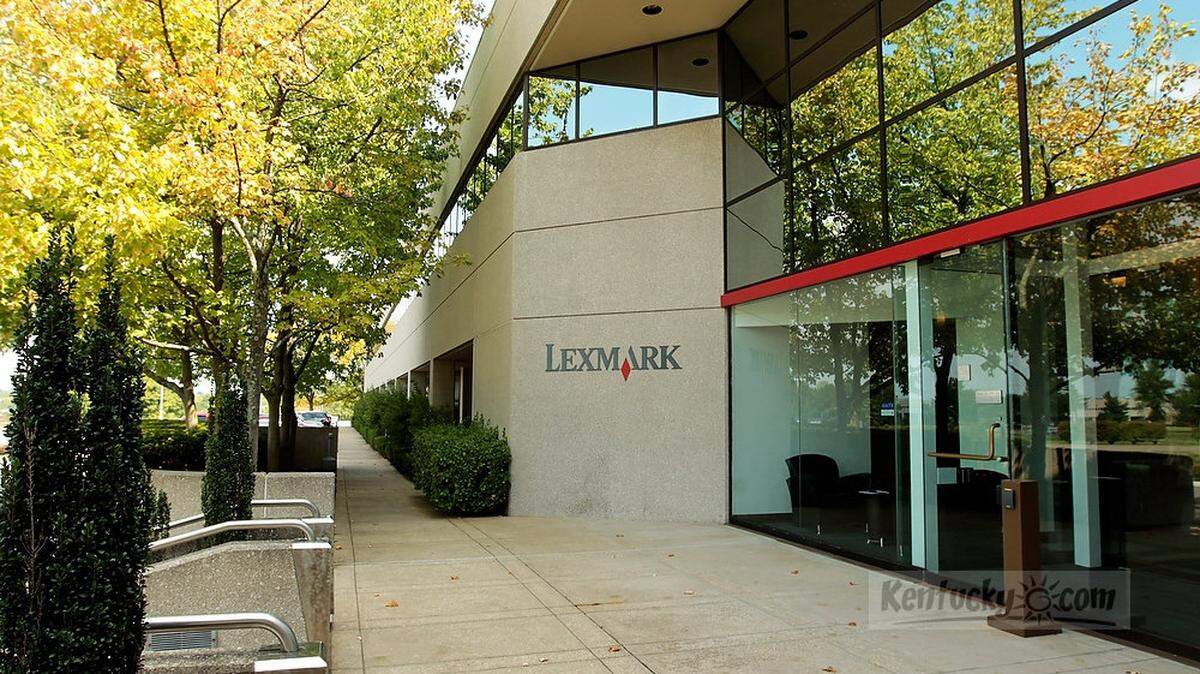
Lexmark, one of the leading manufacturers in Lexington, announced Tuesday that it was closing its faltering inkjet division and would lay off more than 550 workers in Central Kentucky.
The Lexington layoffs include 350 full-time employees, many in non-manufacturing jobs such as research and development and office support.
Lexmark spokesman Jerry Grasso said the company was working with those employees on a severance package, and some might be transferred to other divisions eventually.
According to Lexmark's news release, it expects to incur $110 million in costs in 2012 related to the cuts, and much of that expense probably will be related to severance. Overall, the total pre-tax cost of eliminating the division is likely to be $160 million through 2015, Lexmark said.
Contracts for 200 or so more Lexington employees will be terminated without severance.
By the end of 2012, Grasso said, Lexmark expects to employ about 2,300 people in Lexington, down from about 3,000 before the cuts.
An additional 1,100-plus employees worldwide also will be affected, with a plant in Cebu, Philippines, closing by 2015. The company is attempting to sell the inkjet division and its approximately 1,000 patents.
The job cuts will affect about 13 percent of Lexmark's total work force, based on Lexmark's 13,300 employees worldwide as of December 2011.
Lexmark's restructuring is expected to result in annualized savings of $95 million once fully implemented in 2015, according to Lexmark's announcement.
Lexmark International Inc., based in Lexington, said it will continue to provide support and supplies for inkjet printers that are still in use.
Future in laser, solutions
Lexmark chairman and CEO Paul Rooke, who headed the inkjet division before taking the company helm, said in a conference call with stock analysts early Tuesday that Lexmark now sees the future in laser imaging and in computer technologies, such as those recently purchased by Lexmark, that allow work groups to share information, possibly without printing.
In short, Rooke said, sales of Lexmark's newest inkjet product, called OfficeEdge, launched just six months ago, "just wasn't enough to overcome some of the aggressive prices we've seen this year (from competitors), and (enough to warrant) the investments to make it a sustainable, acceptable return on our business capital."
The cuts announced Tuesday are the latest fallout from the growing popularity of smartphones and tablet computers that make it easier to store and retrieve content from anywhere with an Internet connection. As a result computer printers are used less frequently, especially at home.
That's hurting printer makers, whose revenue is falling at the same time profit margins are being squeezed by fierce competition.
"It's a declining market with far too many players," said Gartner Inc. analyst Federico De Silva. He estimates the number of monthly pages printed by the average consumer has fallen by more than 40 percent in recent years.
He said printer makers -- including Hewlett-Packard Co., the world's largest maker of computer printers, which is also having a tough time selling its less expensive machines to consumers -- have compounded their problems by maintaining high prices for ink cartridges at the same time people are finding it just as easy to read many documents on Internet-connected tablets such as Apple Inc.'s iPad.
"Printing isn't going to go away completely, but more people are learning the best way to consume content these days is on a digital device," De Silva said.
'A tough reminder'
In response to the layoff announcement, Lexington Mayor Jim Gray said in a statement, "This is a tough reminder in tough times: in today's competitive economy, no market is forever. Even the strong struggle, and there's nothing I can say that will make this announcement hurt any less.
"We're glad to be Lexmark's home and hope their business improves as the global economy improves. Our hearts go out to the people who lost their jobs and to their families. The best way to help them is to be a city where every action encourages good jobs and a strong economy. You've got my promise we'll keep doing just that."
Not going away
The restructuring is the second in less than a year for Lexmark, which had said in January that it would cut 625 jobs, mostly overseas.
In July, Lexmark reported second-quarter results that fell short of Wall Street expectations as the economic crisis in Europe pulled down demand.
Lexmark's stock (LXK: NYSE) closed Tuesday at $21.62, up $2.61, or 13.7 percent. It has fallen from more than $73 a share in 2006 and has sunk as low as $16.10 in the past year.
Lexmark is solid and not going away, said Grasso, the Lexmark spokesman.
He said that the inkjet division is just one of nine hardware platforms at Lexmark and that the company is repositioning itself as a technology solutions provider, with the acquisition of five software companies since 2010. Combined, those grew 88 percent year over year.
"We think that part of the business is the growth part of our business," Grasso said. "And we continue to see good growth in other areas of the business." Those include managed print services, which grew by 12 percent year over year, he said.
Grasso said the company also announced Tuesday a $100 million stock repurchase that, combined with dividends, will have refunded $500 million to shareholders by the end of 2012.
"So we think we're in good shape," Grasso said. "Technology evolves. There just wasn't the return on investment that we needed. We think inkjet is still viable, just not for us."
This story was originally published August 28, 2012 at 10:28 AM with the headline "Lexmark lays off more than 550 in Lexington, to close inkjet printer division."