Amazon sellers allegedly gouged KY buyers on coronavirus supplies. AG investigates.
State and federal authorities have set up a task force aimed at cracking down on fraud associated with the novel coronavirus pandemic.
The task force is made up of investigators from the FBI and the Kentucky attorney general’s office who will coordinate with federal prosecutors in Lexington and Louisville.
The goal is to identify, investigate and prosecute fraud arising from the coronavirus, which can lead to respiratory illness, according to a news release.
“We will not allow thieves to profit from fear,” said Russell Coleman, U.S. attorney for the Western District of Kentucky.
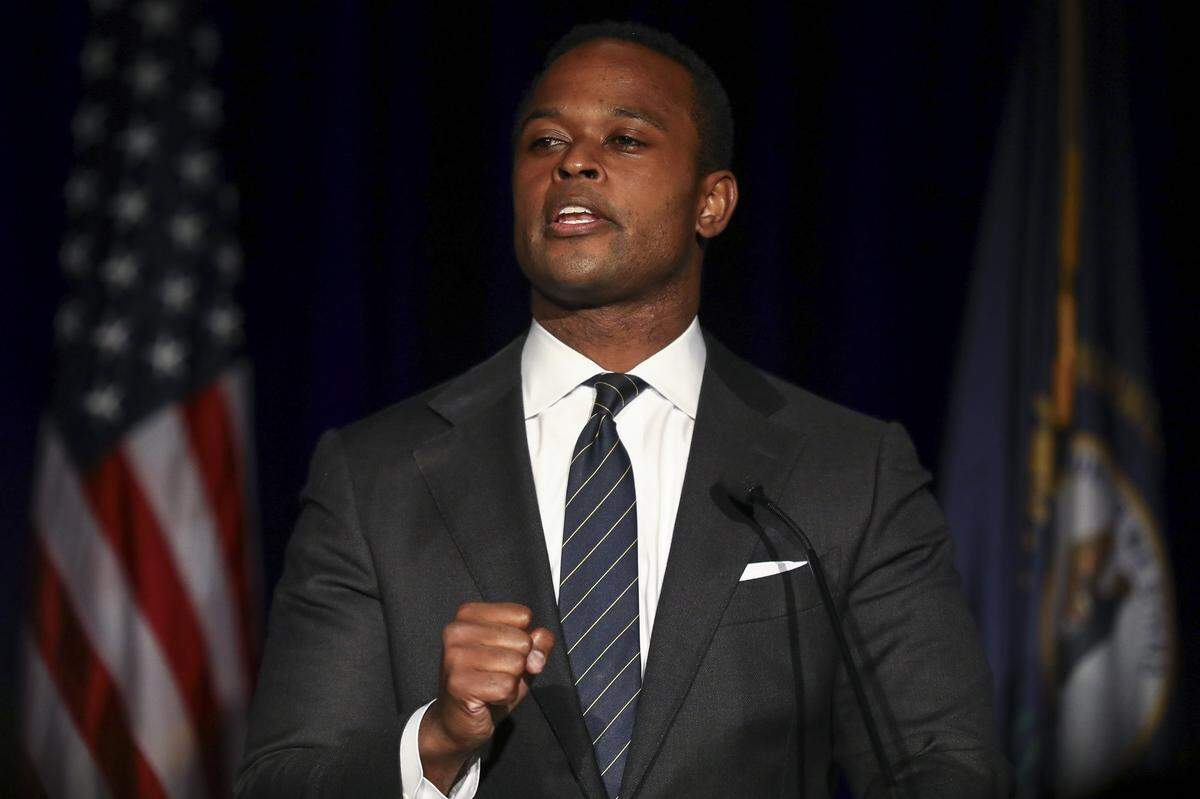
On Thursday, Kentucky Attorney General Daniel Cameron announced he had issued subpoenas to six third-party sellers in Kentucky who had used Amazon to take part in suspected price-gouging.
The sellers, who were not identified in the release, allegedly inflated prices for emergency supplies and medical equipment, such as hand sanitizer and N95 respirator masks, Cameron’s office said.
Some sellers allegedly marked up the usual price by more than 1,900 percent.
“Kentuckians who purchase essential medical and emergency supplies should feel confident that they are not being taken advantage of because of the health crisis,” Cameron said. “The egregious actions of these third-party sellers will not be tolerated in Kentucky, and the subpoenas we issued should serve as a warning to anyone who tries to illegally profit from COVID-19.”
Amazon worked with the state to identify the top suspected price gougers in Kentucky.
In Coleman’s office, Assistant U.S. Attorney David Weiser is the coordinator for the COVID-19 fraud task force. In the office of U.S. Attorney Robert M. Duncan Jr. in Lexington, assistant federal prosecutor Paul McCaffrey is the coordinator.
The task force will investigate leads about fraud associated with coronavirus, with a focus on efforts to exploit vulnerable people, including older people, and on schemes that endanger health and safety.
“Kentucky law enforcement is united in the fight against those who seek to profit from fear during the COVID-19 national emergency,” Duncan said.
The FBI has noted an increase in scams during the coronavirus pandemic.
Police and prosecutors have pointed to a variety of scams related to coronavirus, including:
Treatment scams. People are offering to sell fake cures and vaccines. No vaccine has been approved to treat COVID-19.
Supply scams. These involve fake stores, websites, social media accounts and email addresses claiming to sell in-demand items such as protective masks.
Provider scams. Scam artists are contacting people by telephone and email, pretending to be doctors or hospitals that have treated a relative or friend of the victim and demanding payment.
Charity rip-offs. These involve scammers soliciting donations.
Phishing scams. People posing as representatives of health organizations, such as the Centers for Disease Control and Prevention. They try to trick people through emails that download malware or by getting their targets to provide personal and financial information.
Investment scams. These efforts include online promotions claiming that products or services of companies can prevent or cure COVID-19 and that as a result, the company’s stock price will increase dramatically. The solicitations often are described as research reports and relate to microcap stocks, which are issued by the smallest companies with limited public information.
Price gouging. This involves selling food or other products, such as emergency supplies, gasoline and building materials, “grossly” above the price.
Other scams involve people claiming to work for the government or for banks and credit card companies, offering help with student loan debt, unemployment assistance, debt relief, government checks and other issues.
These are some measures people can take to protect themselves, according to state and federal prosecutors:
▪ Independently verify the identity of any company, charity, or individual that contacts you regarding COVID-19.
▪ Check the websites and email addresses offering information, products, or services related to COVID-19. Scammers often use addresses that differ only slightly from those belonging to organizations they impersonate, such as cdc.com or cdc.org instead of the correct version — cdc.gov.
▪ Be wary of unsolicited emails offering information, supplies, or treatment for COVID-19 or requesting your personal information for medical purposes. Legitimate health authorities will not contact the general public that way.
▪ Do not click on links or open email attachments from unknown or unverified sources. That could download a virus onto your computer or device.
▪ Make sure the anti-malware and anti-virus software on your computer is operating and up to date.
▪ Ignore offers for a COVID-19 vaccine, cure, or treatment. If there is a medical breakthrough, you won’t hear about it for the first time through an email, online ad, or unsolicited sales pitch.
▪ Check online reviews of any company offering COVID-19 products or supplies. Avoid companies whose customers have complained about not receiving items.
▪ Research any charities or crowdfunding sites soliciting donations in connection with COVID- 19 before giving. An organization may not be legitimate even if it uses words like “CDC” or “government” in its name or has reputable looking seals or logos on its materials. For online resources on donating wisely, visit the Federal Trade Commission web site.
▪ Be careful about any business, charity, or individual requesting payments or donations in cash, by wire transfer, gift card, or through the mail. Don’t send money through any of these channels.
▪ Be cautious of “investment opportunities” tied to COVID-19, especially those based on claims that a small company’s products or services can help stop the virus. If you decide to invest, carefully research the investment beforehand. For information on how to avoid investment fraud, visit the U.S. Securities and Exchange Commission site.
Victims or targets of fraud can report it to the National Center for Disaster Fraud Hotline at 866-720-5721 or by email at disaster@leo.gov.
Kentuckians wishing to report online scams and fraud can contact the Federal Bureau of Investigation at https://www.ic3.gov/default.aspx. The phone number for the main FBI office in Kentucky is (502)263-6000.
To file a price gouging complaint, go to ag.ky.gov/pricegouging or call the Consumer Protection Hotline at 1-888-432-9257.
This story was originally published March 26, 2020 at 12:19 PM.