
Restless, horror, hope and laughter: Kentucky poets putting COVID into words
There’s an idea among poets that it’s usually best to wait a while — a long while, perhaps — before incorporating current events into their work.
But with a deadly virus loose in the world, plunging us all into isolation, fear and uncertainty about the future, waiting is a luxury that several leading Central Kentucky poets are finding they can’t afford. The times call for eloquence, the skill to articulate what many feel but can’t put into words, and the will to do so while still in the midst of a pandemic with no clear end in sight.
Among the writers answering this call is former Kentucky Poet Laureate George Ella Lyon, who has written several coronavirus-related poems whose reading produces a range of emotional responses from shock and horror to hope and laughter.
In a poem called “She Told Me,” whose text the poet says is still too raw to share publicly, Lyon describes the sudden loss of a friend to the coronavirus. In another poem, “Do You Have a Minute?,” the poet writes in the voice of a person who encounters someone dying in a doorway. Instead of coming to the sick person’s aid, the speaker demands:
Is there another entrance?
They said to come promptly at 4.
They’ll blame me if I’m late
because someone knows no better
than to die on their threshold.
Where are the ones
who take these people away?
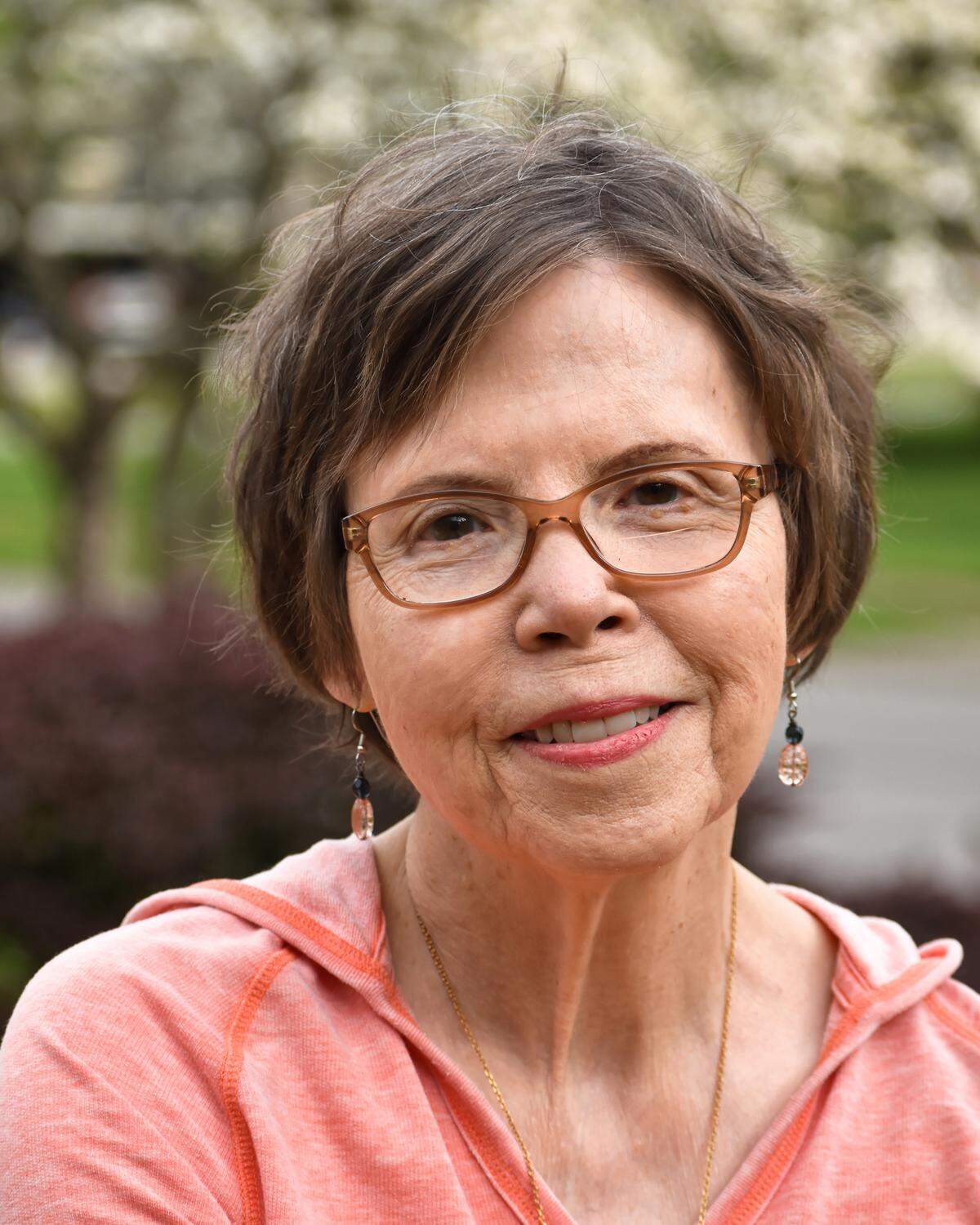
“It’s a poem of fury, in which I’m trusting that the reader understands the device I’m using,” Lyon says in an interview. “Yes, we’re all in this together, but we’re all in it in different ways. I have a home and good health and I’m not living paycheck to paycheck. I’m not having to go out and work every day, and I can do everything possible to protect my life. But there are people who can’t.”
Lyon has also been writing haiku (the traditional Japanese form with five, seven and five syllables, respectively, in its three lines) about life during the pandemic.
“I go through periods when I think in haiku, and I’ve been writing more of them lately, partly because I can do so when I’m not at my desk,” she says. “I can count the syllables on my hands, which maybe is a little like saying the rosary. Not that I’m Catholic, but there’s something in that motion that seems to fuel the emotion in the lines. It doesn’t answer things, the haiku. It just asks questions. And in the time of coronavirus, we have plenty of those.”
In a haiku sequence called “Sheltered in Place,” the poet captures both the disorientation of quarantine —”If I’m not in the / kitchen, I forget that I’m / cooking. Be here now” — and its flashes of saving humor: “My husband just taught / me how to cup up apples. / Ah! All those wrong pies.”
Another former Kentucky Poet Laureate, Frank X Walker, was writing poems in April for National Poetry Month and posting them on Facebook. Some of them ponder the ways in which the pandemic is affecting people of color, especially African Americans.
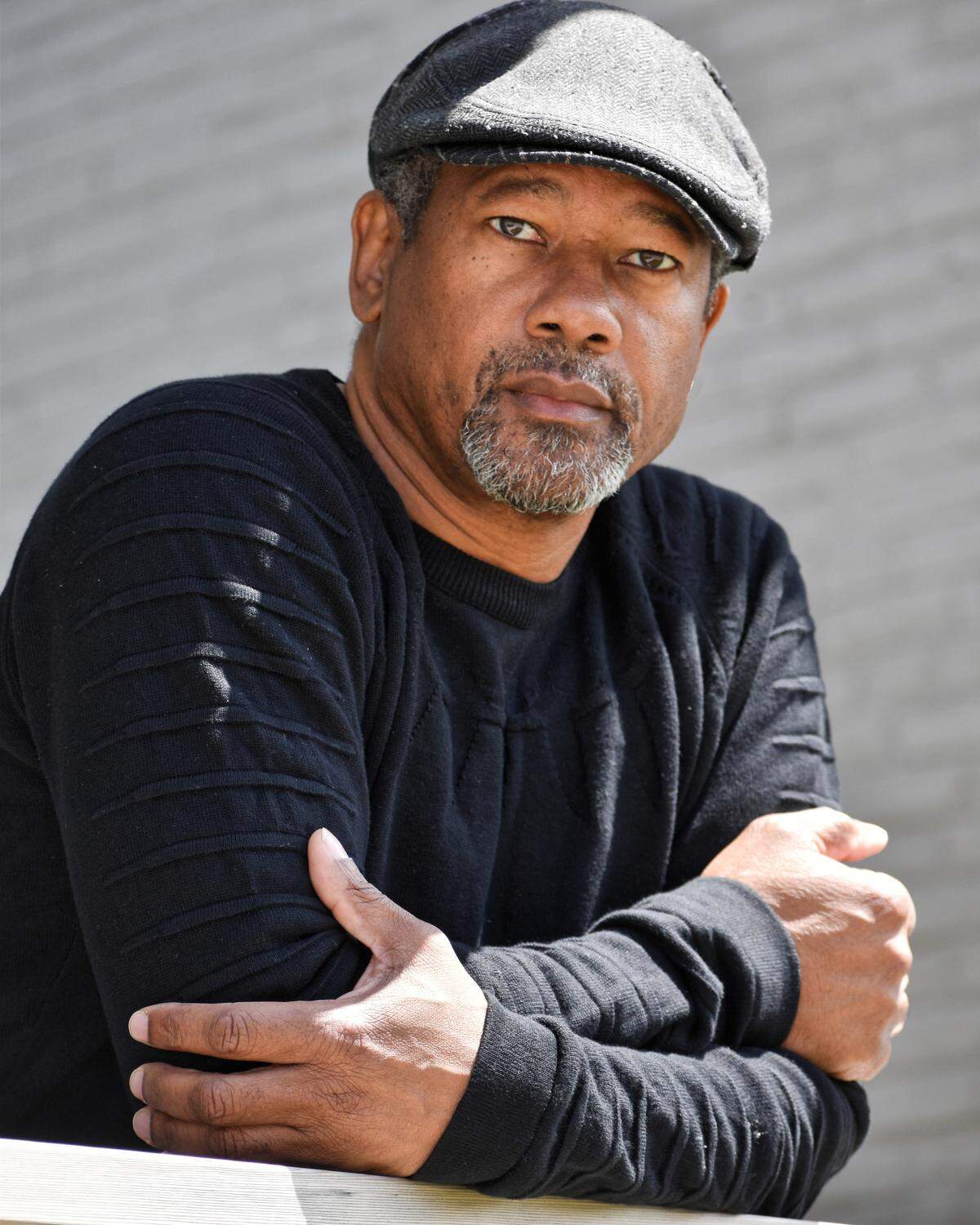
In “Masked Man, Black,” an homage to the poet Paul Laurence Dunbar, Walker describes the cruel irony that black men, already subject to racial profiling in public, find themselves drawing additional unwanted attention while wearing facemasks to protect themselves and others during the pandemic:
Black male me walks into a store
in broad daylight in a red state
black phone in my hand
wearing a black mask.
You already know how this ends.
Somebody felt threatened.
Somebody got shot.
Black woman wailing makes news…
“Racism is not a thing that goes away because of the pandemic, and black men are considering what kind of mask they can wear to look non-threatening,” Walker says in an interview, noting that the poem was inspired of his own experience walking into a Lexington grocery store wearing a facemask. “I could definitely see people giving me second glances. A few women clearly tensed up when they looked at me.”
In Laverne Zabielski’s prose poem “Rainbows and Birdsong,” sheltering in place during the pandemic becomes an occasion for recalling (and thereby recovering) her late mother’s quiet mindfulness: “A birdsong signifies my mother’s presence. She made a point to crack the kitchen window over the sink so she could listen. When we sat on the front porch, she would pause and locate the bird whose song caught her attention. These must’ve been her meditative acts way before my be-here-now-moment awareness arrived. Moments I’m seeking more and more these days, sheltering in place.”
In Libby Falk Jones’s “Pandemic Clock,” our upended schedules and the eerie suspension of time-as-we-know-it lends itself to a reimagining of time with an array of unexpected metaphors. Time is fancifully conceived as a squishy prune, a dark marble, strands of floss tied to aching teeth, four-leaf clovers: “In Louisiana, I could always find one, / braiding garlands, / twining in new / clover stems, // a chain, endless—”
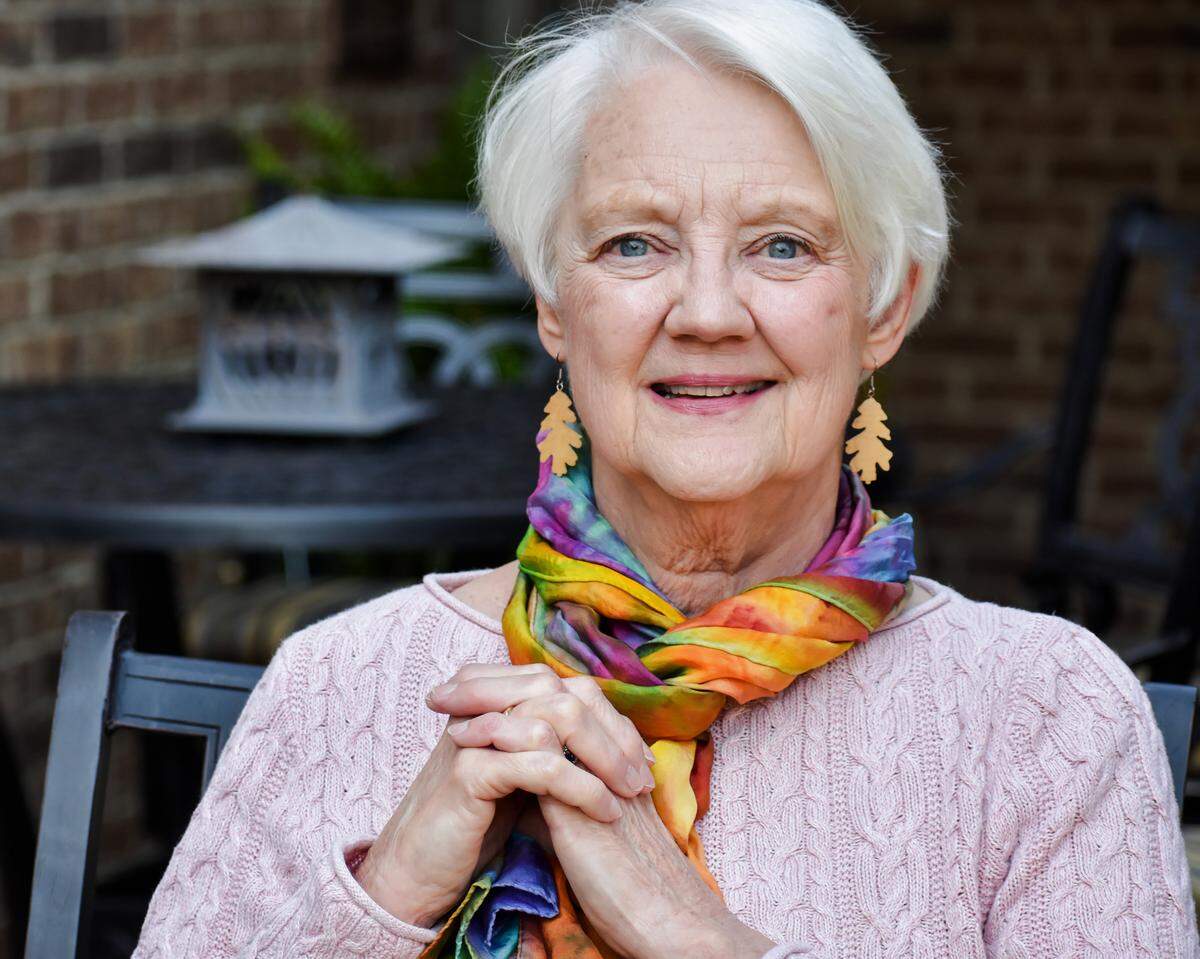
And in Leatha Kendrick’s “Nights in Quarantine,” a couple wakes well before dawn, restless, “islanded,” hungry for reassurance and finding none. They lie in their bed in the dark and stare at the ceiling,
our breath the only moving thing,
we thought, until the cat turned twice
and licked her hind foot –
or the dog sighed and settled deeper in.
Some got up and read. Some of us
(God forbid) turned on the news
as if the talking heads
could talk us out of this.
“This was my husband on me on March 26,” says Kendrick, whose latest poetry collection, “And Luckier,” just came out from Lexington’s Accents Publishing. “We’d had a bad night’s sleep and were feeling like everything had stopped except for this huge terror right outside the window.”
And then comes the ultimate reassurance:
the sky shiny black beyond the panes,
but thinning somehow, the impossible
blue materializing, bringing the trees
and the sidewalk back.
Giving us edges and eggs and avenues,
the blossoming trees, the mockingbirds
swooping in pairs, bringing
tomorrow.