
KY child care facilities can start to reopen, but providers and parents are nervous
Many in-home child care programs reopened Monday in Kentucky and daycares can resume business statewide next Monday, but the path forward looks murky for many.
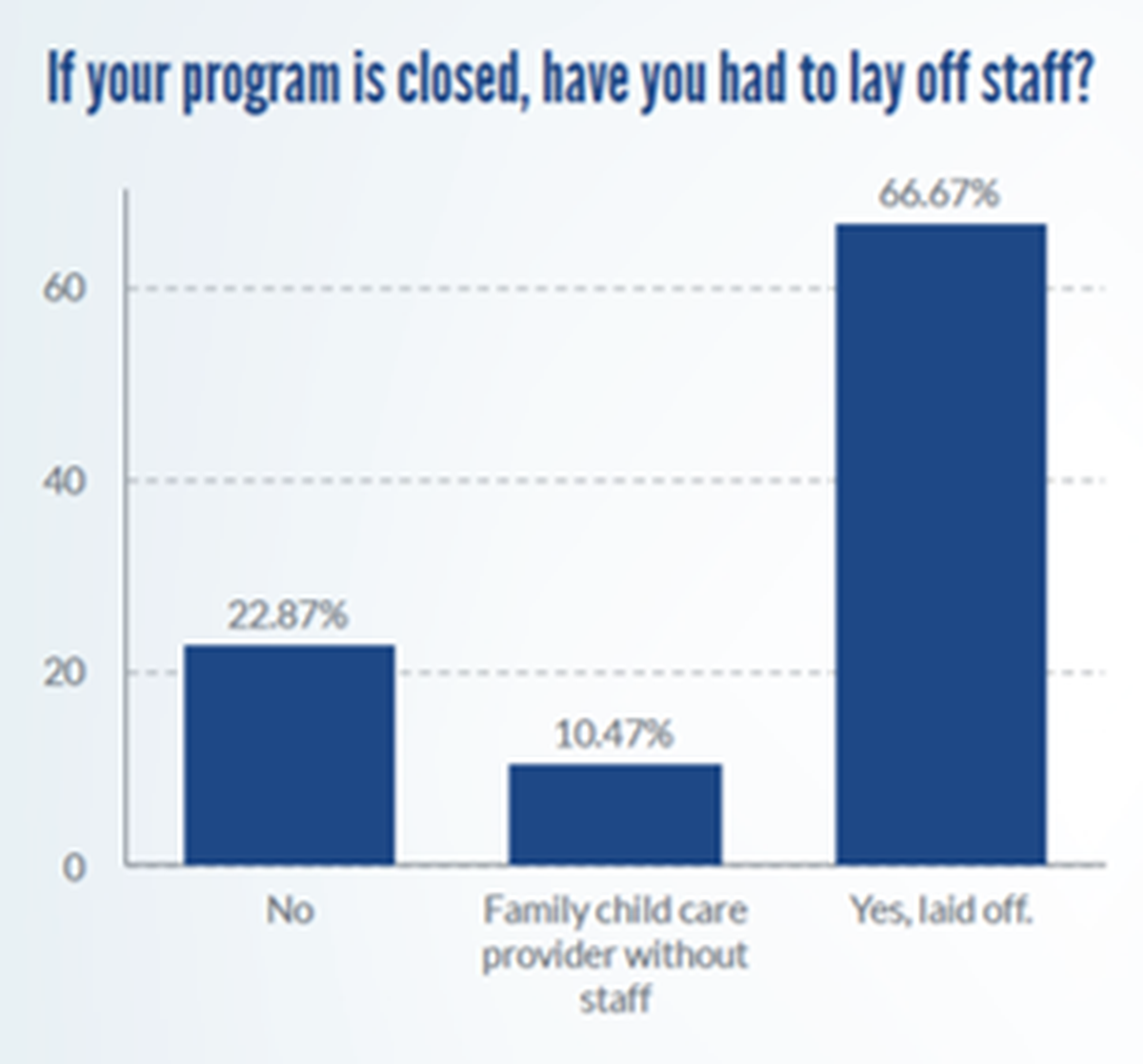
According to a new survey of Kentucky child care providers, 11 to 15 percent say they may have to permanently close due to the COVID-19 pandemic. About 66% of child care providers said they have laid off their staff during an extended shutdown that Gov. Andy Beshear ordered on March 20.
Child care providers are now worried about affording rent and mortgage payments, paying staff benefits and following the governor’s guidelines for reopening, which require children to be placed in the same group of 10 or fewer all day without being combined with another classroom.
Experts weighed in Monday on the economic challenges child care centers face and how to protect children and staff from contracting COVID-19 as parents go back to work.
Hosted by The Prichard Committee and United Way of Kentucky, panelists spoke Monday about the health and economic value of child care facilities in an online broadcast titled “A Fragile Ecosystem.”
United Way of Kentucky President Kevin Middleton said the child care system was already fragile and suffered from inadequate public support. From 2013 to early 2020, the number of regulated providers dropped from 4,400 to 2,172.
Terry Brooks, executive director of Kentucky Youth Advocates, said before the pandemic 52% of Kentuckians lived in a child care desert, where there weren’t enough providers to meet the need.
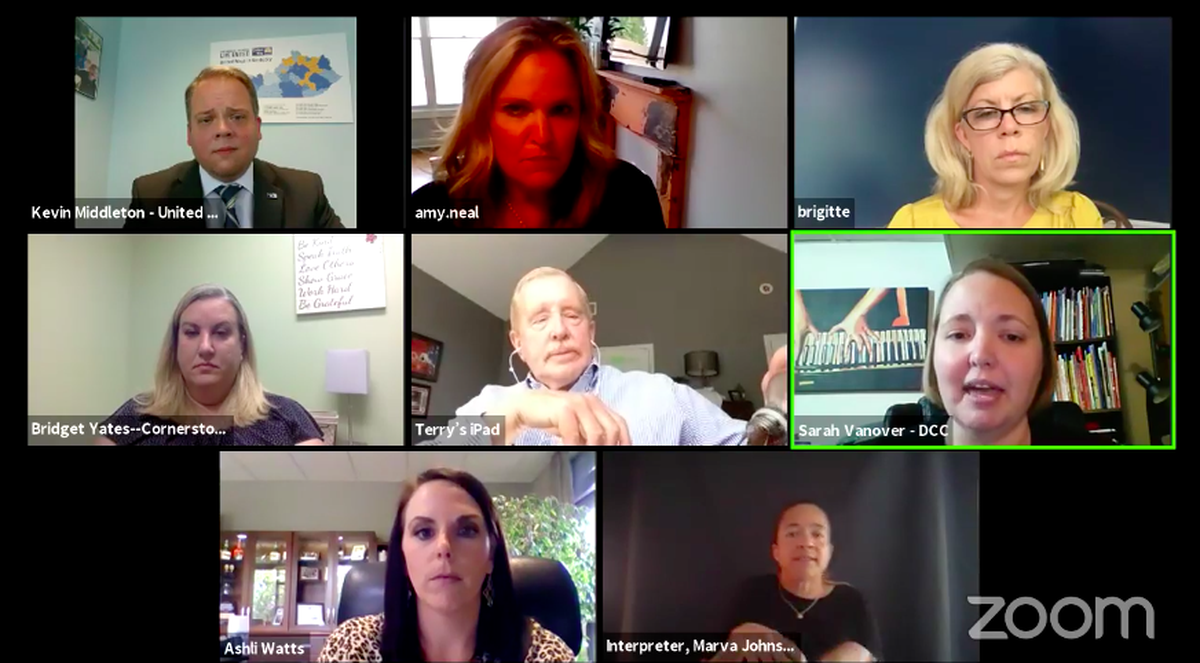
Bridget Yates, executive director of Cornerstone Child Development Center in Louisville, said she has decided to wait until June 29 to reopen. Her center serves 150 kids and employs 40 people. She furloughed her staff and continued to provide health care benefits during the shutdown.
Yates said she will have to make significant changes to the building’s layout and create new systems of operating. She said Cornerstone Child Development Center has spent years increasing its cash on hand, which has been eliminated over the last two months.
The center will continue to lose cash even when it reopens, she said.
“We’re returning with a situation that we anticipate we will be losing about $10,000 a week to reopen, but the financial cost of not reopening and having our families find alternate child care is a far worse financial scenario of having to start over and rebuilding for the 150 kids that we serve,” Yates said.
Yates described deciding the center’s response as “juggling 10 balls in the air” and having about 60% of the information needed to make the best decision.
June Widman, executive director of Appalachian Early Childhood Network (formerly the Eastern Kentucky Child Care Coalition), said in an interview Monday many child care facilities are not ready to reopen, and parents aren’t ready to send their kids back.
A lower number of kids returning translates to less operating funds, she said. Centers may also have permanently lost some staff members who found different jobs and hiring may be delayed due to COVID-19.
Yates said many parents are nervous, questioning if child care centers can stay in business and if they should make alternative child care plans.
Sarah Vanover, director of the Kentucky Division of Child Care, said child care providers that were open throughout the pandemic for the children of first responders maxed out at 1,800 kids, even though the needs was 6,000. Parents were making any alternative arrangement they could, she said.
The state is now trying to do a delicate balancing act with child care centers, she said.
“We had to make sure children are remaining safe and healthy but programs get the revenue they need to stay open,” Vanover said. “That’s been complicated.”
Kentucky Chamber of Commerce CEO Ashli Watts said child care is the top concern for parents returning to work.
“The top barrier to getting the workforce back to work has been the lack of child care,” Watts said. “We are optimistic over the next couple of weeks that we’re going to be able to open child care in a safe and methodical way and keep everyone safe and hopefully get some people back to work who may have not been able to do so.”
There could be long-lasting consequences if the state’s child care network weakens or fails, said Amy Neal, executive director of Governor’s Office of Early Childhood.
The majority of brain development, 85%, happens before the age of five, she said. When children start school behind academically, they stay behind.
Middleton advocated for federal assistance and a statewide COVID-19 Child Care Task Force.
Brooks said a task force is appealing to him and should address child care in a holistic way.
“It’s beyond just child care,” Brooks said. “Let’s talk about young kids. For instance, we know the role early childhood education plays in prevention. It is very bad news that child abuse reports in Kentucky have plummeted, because no one thinks there’s less child abuse today than there was before COVID-19 began, instead reporting systems have been put on hold.”
This story was originally published June 9, 2020 at 1:30 PM.