More teenagers with COVID-19 should get monoclonal antibody treatment, a UK doc says
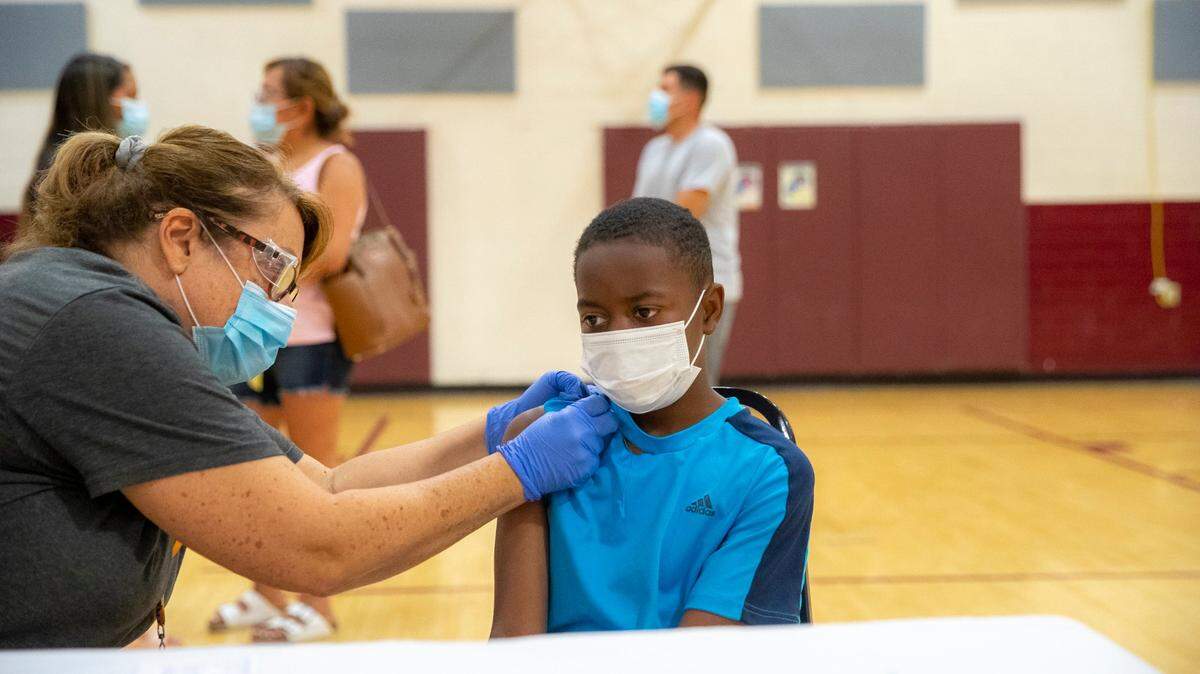
More adolescents who test positive for COVID-19 should consider monoclonal antibody treatment, according to a pediatric doctor at UK HealthCare.
“Since July 30, we’ve had six-times as many admissions to Kentucky Children’s Hospital than we’ve had in the entire pandemic up to that point,” Dr. Sean McTigue, medical director for pediatric infection prevention and control at UK, said Monday.
While a “vast majority” of those patients have been over the age of 12 and therefore eligible for a coronavirus vaccine, “not a single patient [has] been immunized,” he said.
What’s more, most were eligible for monoclonal antibody therapy. Had they gotten an infusion — it’s advised within the first 10 days of infection — they likely could have avoided hospitalization, McTigue said.
While vaccination is the best way to prevent severe COVID-19 infection, children over the age of 12 can also benefit from monoclonal antibody therapy — a therapeutic to boost the body’s immune response in hopes of staving off severe infection and hospitalization, even among the unvaccinated. Roughly 46% of kids in Kentucky ages 12-15 and 52% of those 16 and 17 are at least partially immunized, according to the Kentucky Department for Public Health.
But too few families with children who test positive are seeking it out, McTigue said. Same-day appointments for the therapy are currently available at UK’s monoclonal clinic because demand is so low. Appointments can be made by a referring physician on the clinic’s website.
The Food and Drug Administration in November 2020 granted emergency use authorization for this form of therapy both in adults and in adolescents as young as 12. In order to qualify for an infusion, a child must weigh at least 88 pounds and have a high-risk condition, such as living with diabetes or obesity, that makes them more susceptible to severe coronavirus infection.
Obesity, more than any other at-risk condition, has been the “number one driver” of risk among children hospitalized with the virus, McTigue said.
“The majority of our children with severe or critical COVID have been obese, and particularly the ones who have gotten more critically ill have been obese,” he said.
Consistently in recent months, at least a quarter of the state’s daily increase of COVID-19 cases are in children under the age of 18, which has led to spikes in pediatric hospitalizations. On Friday, more than 27% of the 2,145 new cases were in kids.
UK recently opened the Pediatric Specialty Infusion Clinic at the children’s hospital in Lexington that offers monoclonal treatment to adolescents ages 12 to 17. The therapy can also be found at dozens of sites across the commonwealth, according to the Kentucky DPH.
Dr. McTigue urged parents in the area to consult their child’s primary care physician quickly after they test positive to figure out whether their child is eligible. Same-day appointments for the therapy are currently available because demand is so low.
“Where we need to improve is we really need to get the word out about how important this therapy is. It’s important for parents to know this exists,” he said. “If their child does test positive, they should be calling their PCP and discussing whether or not their child is a good candidate.”
Though more children should use this form of therapy, McTigue said, inoculation remains “the single most effective tool we have to prevent not only infection, but also severe and critical COVID illness.”