Four steps you can take to minimize the spread of COVID-19 at Christmas
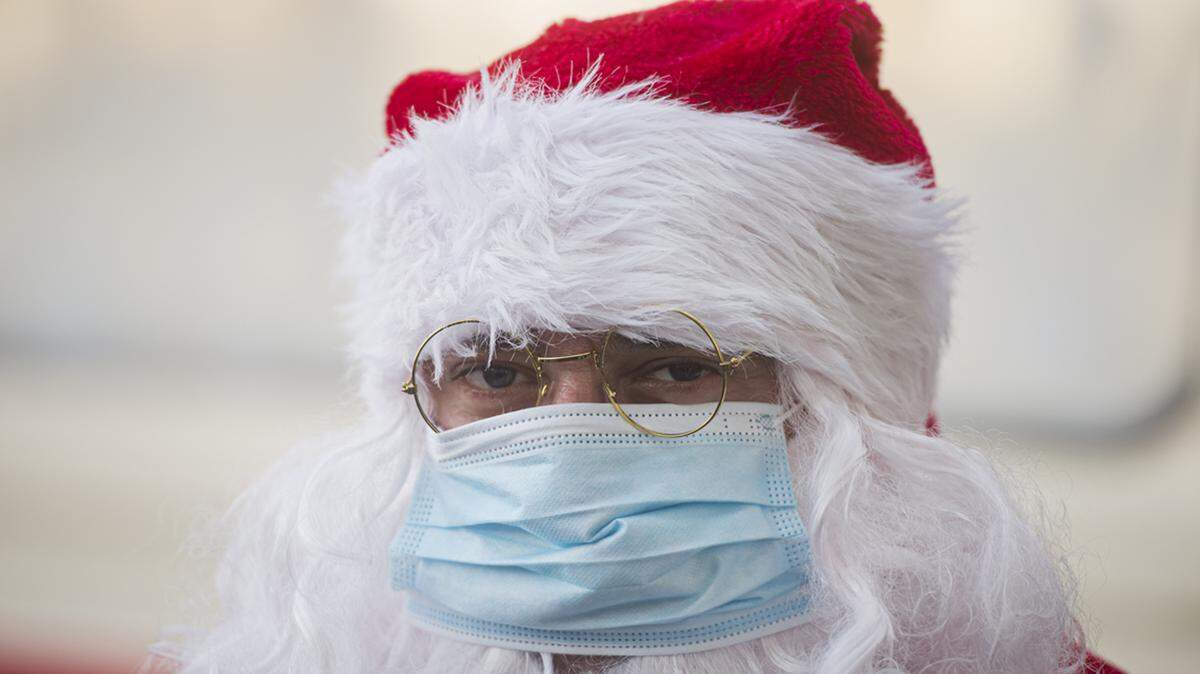
Many Kentucky families are preparing to gather indoors, maskless, for the Christmas holiday, just as the highly contagious omicron variant surges, becoming on Monday the most prevalent strain of COVID-19 circulating in the country.
Omicron is spreading faster than any other previous coronavirus variant — last week, the number of omicron infections showed a seven-fold increase, accounting for roughly 73% of all new cases, up from 3% the week before. That case explosion is on par with what epidemiologists and infectious disease experts, including Kentucky Public Health Commissioner Steven Stack, have warned: omicron is not only the most contagious strain, it’s “probably one of the most transmissible or contagious infections we’ve had in the last century at least,” Stack said over the weekend. Whereas cases of delta doubled roughly each week, omicron in some parts of the world appears to be doubling every 1.5-to-three days.
Though researchers don’t yet know definitively whether omicron consistently causes milder infections than the delta strain (early studies suggest it does) omicron is expected to cause case surges and, by extension, overwhelm hospital systems.
That doesn’t bode well in Kentucky, where the statewide positivity rate on Tuesday had reached 9.33%, and only 54% of the total population is vaccinated (64% of adults). Eighteen percent of residents have received a booster, according to the Kentucky Department for Public Health. Twenty commonwealth counties still have vaccination rates of 42% or less.
But, as Centers for Disease Control and Prevention Director Rochelle Walensky said Wednesday morning, “there’s no need to panic. We are in a very different place than we were a year ago. We have vaccines, we have boosters.”
Though being fully vaccinated and boosted is the best protection against the virus, here are some additional steps Kentuckians can take to mitigate their risk of catching and spreading COVID-19 this Christmas:
Get tested
Get tested before you gather together with others, no matter your vaccination status. Ideally, people should test themselves as close as possible to the time when they’re gathering with others, Gov. Andy Beshear said Monday. But “if the best you can find is 48-hour results, get your test 48 hours before. Just do the very best you can.”
PCR tests have long been the gold standard for coronavirus testing, as they are the most accurate. But results tend to come over a span of days. With how quickly omicron spreads, some are urging use of rapid tests, too, though this close to Christmas, they may be hard to find.
“If you have a rapid take-home test, I would do it the morning before you leave to go into the other home,” the governor said. “If everybody does that, if everybody’s vaccinated and is tested, you’re relatively safe.”
Beshear said though he’s fully-vaccinated and boosted, he is getting tested before visiting family for the holidays. This is partly because omicron is so contagious and, as a result, is causing more breakthrough infections among the vaccinated than previous strains. Though more fully-vaccinated people are becoming infected with omicron, the unvaccinated continue to drive infections.
Consider staying home if unvaccinated
If you’re unvaccinated, consider staying home. The unvaccinated continue to be at the greatest risk of contracting and spreading coronavirus — a threat that is wholly exacerbated by omicron. President Joe Biden, in a Tuesday address, highlighted CDC data that unvaccinated people are eight-times more likely to contract omicron than the fully vaccinated.
For everyone gathering with others outside their household this Christmas season, “everyone needs to be vaccinated that is eligible,” Beshear said.
If you aren’t vaccinated and still forge ahead with holiday plans, consider wearing a mask indoors.
Limit activities before gathering
Consider limiting your social interactions in the days leading up to family get-togethers. This is to limit the potential for spread to vulnerable family members, and to minimize the chance that Christmas parties will blossom as coronavirus hot spots. It’s not unreasonable, Commissioner Stack said, to think that a person infected with omicron could spread the virus to 20 people under the right circumstances.
Behavior leading up to the holidays will largely impact whether you’re carrying the virus to family members, CDC Director Walensky said Wednesday morning.
“So much about the safety of your gathering has so much less to do with the plane ride or train ride that you’re taking to get there, and [more] to do with behaviors that you have in the week prior,” she said. “Have you been practicing those safe prevention strategies, or have you been out gathering in indoor public settings without a mask? Because that’s really where your exposure would’ve happened.”
Get a booster or vaccine
If you’re eligible for a booster, get one. If you’re unvaccinated, get vaccinated, and then get boosted. Though it’s too close to Christmas to receive the full protection of a vaccine dose administered this week, get it, anyway. Vaccinations, particularly third doses, continue to unequivocally be the best way to both thwart severe infection and death.
Omicron is expected to surge across the country and in Kentucky, in part because only a little more than half of residents are fully vaccinated, and even fewer have received a booster. Still, even people who have received three doses of the vaccine will contract omicron — it’s just that contagious. But that population is much more likely to have mild symptoms. Early studies show that, because immunity from a two-dose vaccine regiment wanes over time, the extra surge of antibodies from booster shots are a key to fighting omicron.
This story was originally published December 22, 2021 at 10:23 AM.