
Coronavirus weekly need-to-know: J&J vaccine limited, possible yearly COVID shot & more
In the United States, more than 81 million people have tested positive for coronavirus as of Saturday, May 7, according to Johns Hopkins University.
To date, more than 997,000 people in the U.S. have died, including about 3,000 since last week. Worldwide, there have been more than 516 million confirmed cases of COVID-19, including about 2 million new cases since one week ago.
Additionally, over 6.2 million have died from the virus globally. Roughly 219 million people in the U.S. are fully vaccinated as of April 29 — 66.3% of the population — and nearly 101 million of those people have gotten their first booster shot, according to Centers for Disease Control and Prevention data.
Roughly 98% of the U.S. lives in a location with low or medium COVID-19 Community Level, the agency says as of May 6. About 2% of Americans reside in an area with a high COVID-19 Community Level. For them, it’s recommended to wear a mask while indoors in public.
The CDC reports the weekly average of COVID-19 cases has risen nationwide as of April 27. Cases are 25.2% higher compared to the prior week’s average, according to the CDC.
The omicron BA.2 subvariant dominated positive U.S. cases for the week ending April 30.
Here’s what happened between May 1 and May 6.
FDA limits use of Johnson & Johnson COVID vaccine over blood clot risks, agency says
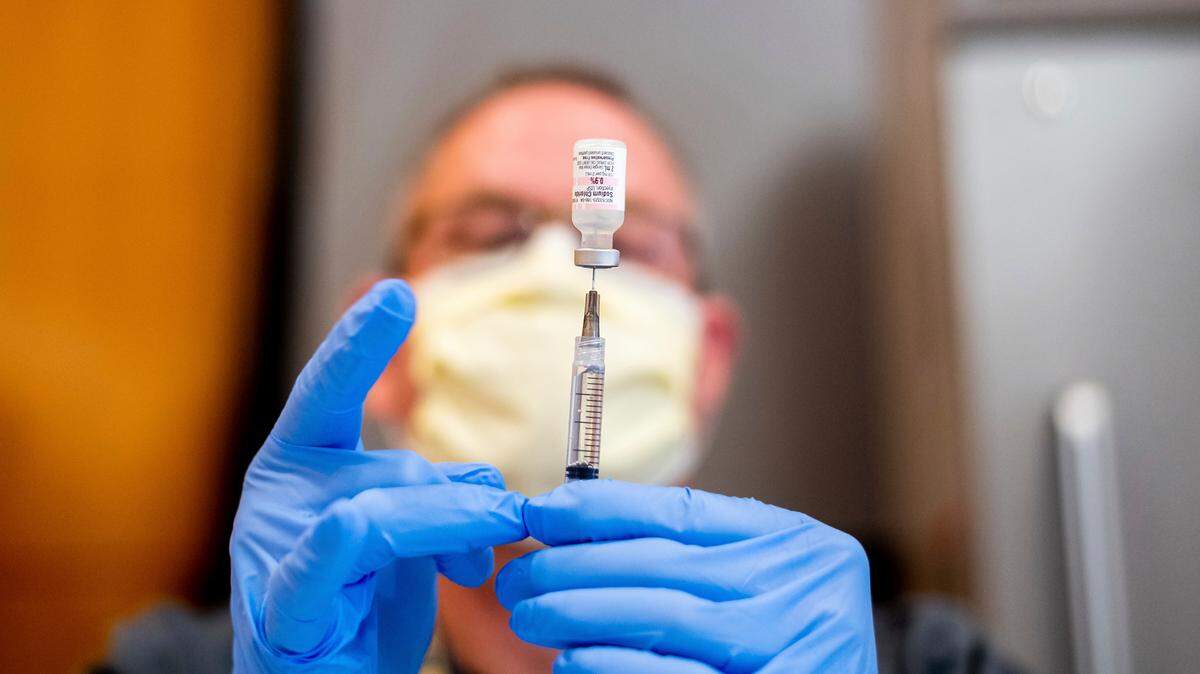
The use of Johnson and Johnson’s COVID-19 vaccine, also known as Janssen, has been limited to “certain individuals” over rare blood clot risks, the U.S. Food and Drug Administration announced Thursday, May 5.
It’s now limited to those 18 and older “for whom other authorized or approved COVID-19 vaccines are not accessible or clinically appropriate,” the FDA’s statement said. Additionally, those 18 and older can opt to get the J&J shot if “they would otherwise not receive a COVID-19 vaccine.”
Read more here:
Most parents hesitant to vaccinate kids under 5 against COVID, poll finds
Most parents of children under the age of 5 in the U.S. say they are hesitant to vaccinate their child against COVID-19 — if and when a vaccine is authorized for that age group, a new poll has found.
About one in five parents, 18%, would get their young child vaccinated “right away” if that becomes an option, according to the Kaiser Family Foundation’s Vaccine Monitor survey published on May 4. Another 38% of parents said they’d “wait and see” before letting their child get the shot.
The Pfizer vaccine is currently authorized for those 5 and older. Meanwhile, the Moderna shot is authorized for individuals 18 years old and older. Johnson & Johnson’s vaccine has been limited to “certain individuals” 18 and older by the Food and Drug Administration on May 5, McClatchy News reported.
“Just over half of parents of children in this age range say they do not have enough information about the vaccines’ safety and effectiveness for children under age 5,” the vaccine monitor survey noted.
For more, keep reading:
Yearly COVID shot may be needed as virus becomes ‘new normal,’ FDA officials say
A yearly COVID-19 shot may be needed — just as flu shots are recommended each year — as living with the virus becomes the “new normal,” according to Food and Drug Administration officials.
“It will likely circulate globally for the foreseeable future, taking its place alongside other common respiratory viruses such as influenza,” three FDA officials wrote in an article published to the peer-reviewed journal JAMA on May 2.
As a result, “society is moving toward a new normal that may well include annual COVID-19 vaccination alongside seasonal influenza vaccination.”
Keep reading below:
Yes, at-home COVID test kits expire — but you may want to keep yours. What to know
Yes, there are expiration dates for at-home COVID-19 tests, and you should check if an unopened one has been sitting on your shelf for some time.
But while the FDA says you shouldn’t use an expired at-home test, you might still want to keep any you may have as the coronavirus continues to spread in the U.S.
Here’s why.
Watch out for counterfeit at-home COVID tests, FDA warns. How to spot a fake one
Keep an eye out for counterfeit at-home COVID-19 tests that are circulating in the U.S., the Food and Drug Administration is warning.
The agency said the fake tests are “being distributed or used” throughout the country and are deceiving because they look similar to FDA-authorized tests. There’s a risk of false results when using them.
“You may risk unknowingly spreading COVID-19 and may delay or stop appropriate medical treatment for COVID-19 if you use a counterfeit test,” the FDA said.
Continue reading here:
This story was originally published May 6, 2022 at 7:13 AM with the headline "Coronavirus weekly need-to-know: J&J vaccine limited, possible yearly COVID shot & more."
.jpg)