
Feeling sick after your COVID shot is a good sign, study finds. Here’s what it means
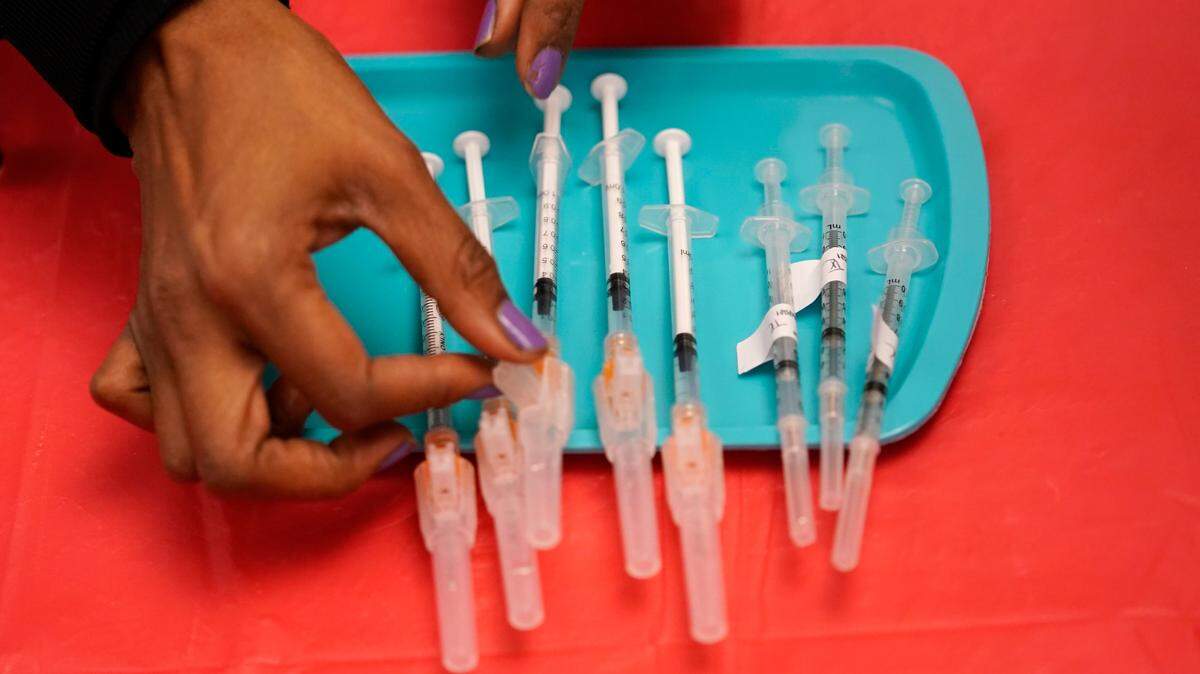
There’s no need to worry if you’re feeling sick after getting a COVID-19 vaccine — it’s actually a good sign, according to a new study.
Experiencing post-vaccine symptoms — including chills, fatigue, fever, headache, muscle pain, nausea, and vomiting — means the body is having a greater immune response, a study published Oct. 21 in the journal JAMA Network Open found.
However, having few symptoms, or no symptoms at all, after a COVID-19 shot doesn’t mean the vaccine didn’t work, according to the research.
Here’s what you should know.
Of 928 older adults who received two doses of Pfizer or Moderna’s mRNA vaccine, those who reported post-vaccine symptoms had a greater antibody response compared with participants who only reported local symptoms, meaning pain or a rash at the injection site, or no symptoms at all, the study found. The average age of participants was 65.
Since mRNA vaccines kickstart the body’s immune response, it causes the production of antibodies, which helps protect against getting sick from COVID-19, according to the Centers for Disease Control and Prevention.
“In conclusion, these findings support reframing postvaccination symptoms as signals of vaccine effectiveness and reinforce guidelines for vaccine boosters in older adults,” study authors wrote.
Dr. William Schaffner, an infectious disease specialist and the medical director of the National Foundation for Infectious Diseases who was not involved in the research, told CNN that the study’s findings can “reassure people who have had a reaction that that’s their immune system responding, actually in a rather good way, to the vaccine, even though it has caused them some discomfort.”
For the study participants who experienced no symptoms, or a pain and rash at the site of the COVID-19 shot, they still had “a positive antibody response” after getting Pfizer or Moderna’s vaccines, according to the research.
“I don’t want a patient to tell me that, ‘Golly, I didn’t get any reaction, my arm wasn’t sore, I didn’t have fever. The vaccine didn’t work.’ I don’t want that conclusion to be out there,” Schaffner told CNN.
A lack of post-vaccine side effects is okay because the body is still “building protection against the virus,” according to the CDC.
Dr. Ashley Lipps, an infectious disease specialist at Ohio State University’s Wexner Medical Center, wrote in an article published in May 2021 that, “It’s not entirely clear why some people experience side effects and others don’t.”
“It’s likely related to variations in the immune system and its response, which may be influenced by things like age, genetics or underlying medical conditions,” Lipps added.
The new study found that post-vaccine symptoms were more associated with younger participants, females, having previously been infected with COVID-19, and the Moderna vaccine.
How long do COVID vaccine side effects last?
Typically, COVID-19 vaccine side effects last for a few days, according to the CDC.
However, if lymph nodes become swollen, it could last for about 10 days, according to Yale New Haven Health.
Serious side effects after getting a COVID-19 vaccine are considered rare and can happen within six weeks, the agency says. One serious side effect includes myocarditis and pericarditis, an inflammation of the heart.
As for COVID-19 booster shots, reactions have been reported to be similar after getting one or two doses of the vaccine, according to the CDC.
This story was originally published October 27, 2022 at 4:23 PM with the headline "Feeling sick after your COVID shot is a good sign, study finds. Here’s what it means."
.jpg)