
Many doctors were already dealing with burnout. Then came the pandemic.
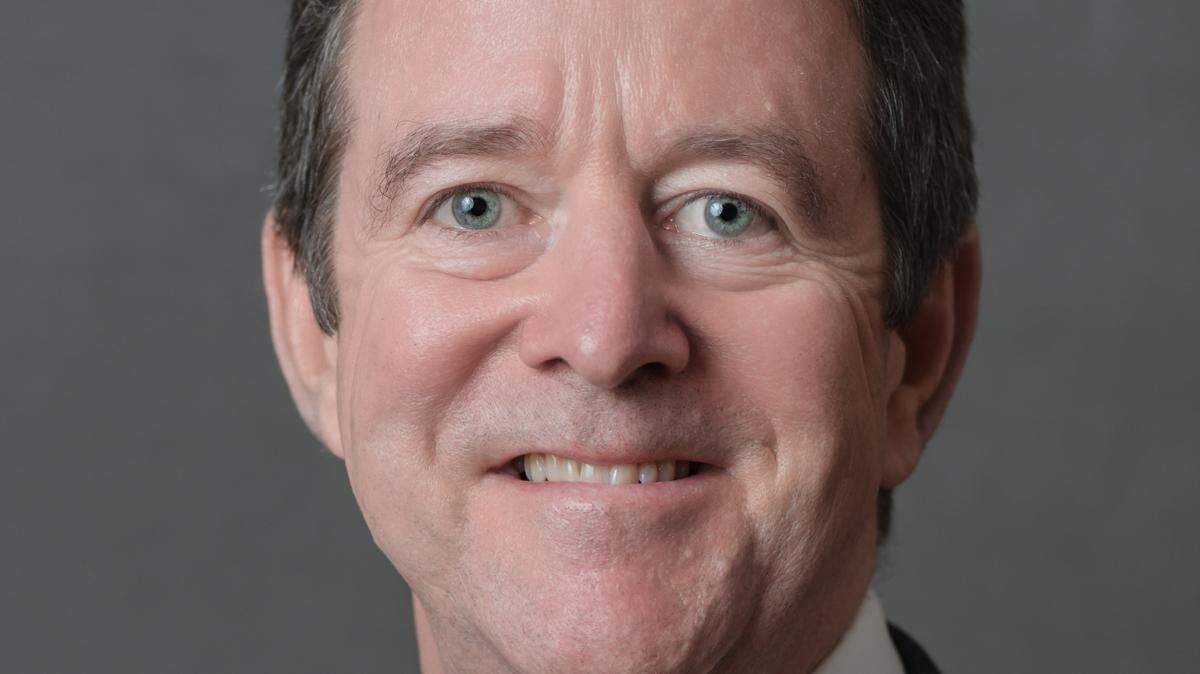
Many doctors were experiencing burnout prior to the onset of the pandemic. But now, as frontline healthcare workers, including physicians, deal with increasing cases of COVID-19, the pressures are heavy and in some cases, unbearable. In an interview for Eastern Standard on 88.9 WEKU, Tom Martin discusses physician burnout with Dr. Shawn Jones, president of the Kentucky Medical Association Foundation and author of a book about his own experience with burnout. You can listen to the conversation online at esweku.org.
Tom Martin: We’re hearing about burnout in many professions these days. I understand that you have experienced this and we’re going to discuss in a few moments what you did to pull yourself out of it. But, could you first tell us about your experience?
Jones: Several years ago I had an episode that could be described as burnout. I became detached and noticed through the help of my wife that I was experiencing some of those feelings and difficulties. I sought out-patient intensive counseling for that and recovered through primarily taking some time off and reappraising how I was working and the reason I was working. And I reevaluated those things, and then, some things to help me cope with that such as mindfulness and getting into some other aspects of life such as painting and creativity as well as family. All of those sorts of things helped me to really reinvent, not just myself, but my life in a way that kept me, I think a lot healthier than I had been working previously.
Martin: What are some of the emotional, physical, or behavioral symptoms of physician burnout?
Jones: The social psychologist Christina Maslach characterized it after psychologist Herbert Freudenberger originally named it in the 70’s. Primarily, people experience burnout through three dimensions: emotional exhaustion, which really is a lack of engagement and feeling just like it sounds, worn out all the time; depersonalization, almost a robotic sense of working from a script and dehumanizing people you come into contact with. And then, finally, a low sense of personal accomplishment - feeling as though what you do doesn’t really matter.
Martin: In order to hit that reset button, was it helpful to rethink the meaning and purpose of why you got into medicine in the first place?
Jones: Yes. You can’t really get yourself out of it be-cause it’s sort of like being a schizophrenic, trying to figure out what’s real and what’s not. You really don’t have a good sense of what’s going on and what’s happening. You just know and you feel deeply that there’s something wrong about the work that that meant so much to you to begin with. The passion with which one goes into medical school somehow has been lost. And you recognize that getting out of it requires some really deft help. And so, reconnecting with that purpose is really important because one of the dimensions as I mentioned was a low sense of personal accomplishment. It’s very difficult to understand how medicine, which is so deeply steeped in philosophical meaning and purpose could drive the purpose out of someone. So, reconnecting with that is really, really important.
Martin: Which fields of medicine would you say are most at risk of this?
Jones: According to most of the data and the research that’s been done, emergency medicine is very susceptible because of the type of work they do. The surgical sub specialties are very susceptible, and primary care physicians are also very high on the list.
Martin: How would a patient be able tell that their doctor is going through this?
Jones: I think we as physicians are very good at hiding our personal problems. We’re taught to lay aside everything as much as would a Navy Seal - to put the mission first. That becomes primary. That’s one of the things that tends to get us into trouble: we always are so good at putting other people first and the mission first, if you will, that we neglect self-care. And so, I think as a patient if your physician seems detached or uninterested or tired, it can be difficult because it might just be that they happen to have been on call the night before and had a tough night, but it could be that it’s more of a chronic problem.
Martin: You mentioned earlier that you eventually sought counseling. Are physicians typically are reluctant to reach out for help?
Jones: The data would suggest they are very reluctant to reach out for help unless they have some kind of issue which prompts them to do so: from a board or other agency that over-sees quality medical care. And, that’s one of the reasons that I felt telling my story was important because I didn’t have any of those is-sues. And I think it was just a confluence of different factors that led me to be in a position to have the capacity to make that choice. But, there’s a lot of factors that are working against you to say, ‘hey, I’m going to step out of my practice for six weeks and go get some help and then try to make things better.’ It is very, very difficult to do that, but I felt it was important to let other physicians know that it is possible to make that decision and it could end up being one of the best decisions that you make in your life, to put yourself first for a little bit.
Martin: As a response to your own fatigue, you sat down and wrote a book about it. It’s titled, Finding Heart in Art: A Surgeon’s Renaissance Approach to Healing Modern Medical Burnout. Briefly describe how engaging with art and with beauty can help an exhausted, harried professional in medicine or any field, for that matter, regain some emotional health and stability?
Jones: Well, for me, my faith is really important and so the paintings that I found spoke to me the most were really those that were Renaissance in origin and detailed certain aspects of the Gospels or the Biblical narrative. And, they also spoke to me in a way about what it meant to be a physician: paintings such as the Return of the Prodigal and the Good Samaritan. And, they spoke to a part of my inner being which had been neglecting that creativity and beauty. Physicians see a lot of ugliness every day particularly as surgeons and as I mentioned the emergency department physicians. We see the body in situations that most normal people won’t see and we learned to sort of put that aspect of it aside. And in the process of learning how to do that, some of us don’t ever process those feelings we have associated with those difficult things that we see on a daily basis. Over a period of time this will build up and make it more difficult for us to capture our humanity and reconnect with beauty and passion and purpose as part of what helps to awaken our humanity again.
Martin: How are you sustaining that?
Jones: There’s data that suggests that if you allow a physician to do what he thinks is most important in his daily work 20 percent of the time, then you can have him do just about any-thing else the other 80 percent and his risk of burnout is very, very low. So, you asked me if it’s connected with purpose. It’s vital. So for me, much as in the group Alcoholics Anonymous, carrying that message to other alcoholics is really important in keeping that alcoholic well. For me, speaking to other physicians and healthcare professionals about burnout is really important. And so, that’s part of what has kept me well: connecting not only with my own self-care through mindfulness, but also exercise, getting plenty of rest, and making sure that I do the things that I know will help to provide me with connection with family and faith. But, also, helping other physicians recognize their purpose and their risk of burnout, as well.
Tom: Your book, Finding Heart in Art, certainly would serve as a resource for somebody who’s going through this. But, can you rec-ommend any other resources that they might turn to?
Jones: The Institute for Healthcare Improvement (http://www.ihi.org/Topics/Joy-In-Work/Pages/default.aspx) also has a great website with a lot of resources. The AMA site has the “Steps Forward” campaign (https://edhub.ama-assn.org/steps-forward/pages/professional-well-being). The Kentucky Medical Association a few years ago, focused on burnout with a “Beyond the White Coat” exhibit (https://kyma.org/beyond-the-white-coat-gallery/) that offered examples of physician’s hobbies, creative parts of their lives and avocations. Dr. Toney, our president, is addressing community health this year with the “Be Well, Stay Well” public health campaign (https://kyma.org/2020/10/07/presidents-message-oct-2020-and-were-off/). And part of that is focusing on not just encouraging Kentuckians, but physicians as well to take care of their physical and mental health. So, there are a lot of good resources out there for people, particularly physicians, if they’ll reach out.