Beshear declares state of emergency over nursing shortage in Kentucky
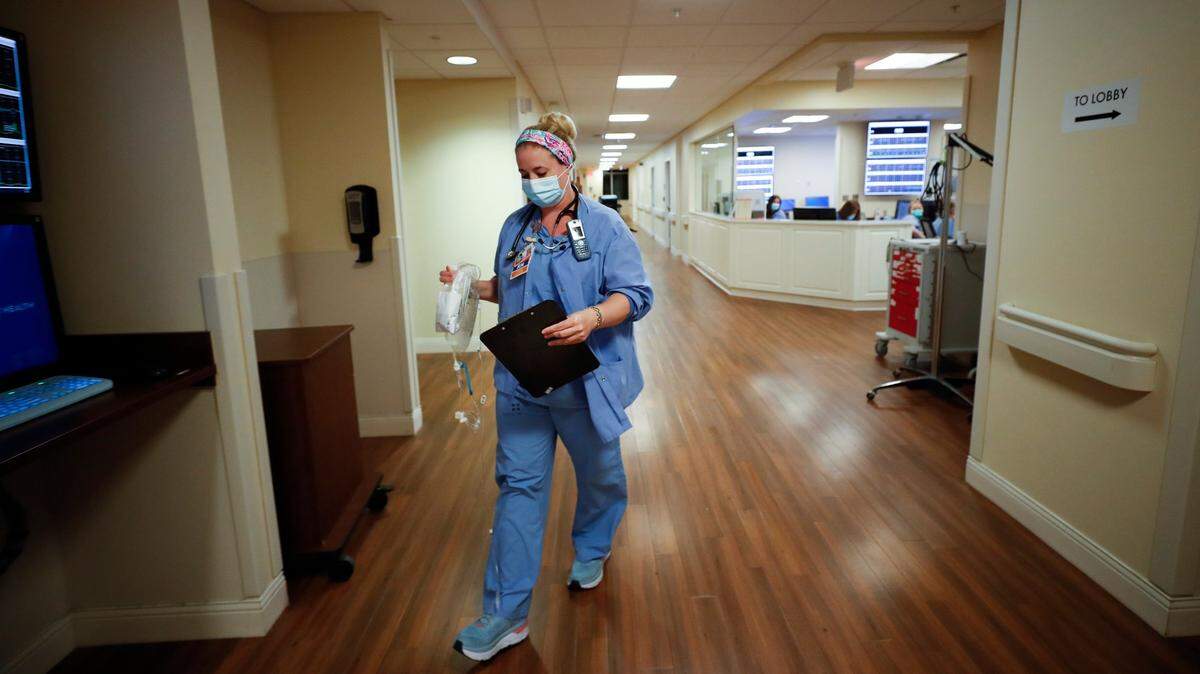
Gov. Andy Beshear signed an executive order on Thursday declaring Kentucky’s dire shortage of licensed nurses a formal emergency.
“In Kentucky, we are operating 12% to 20% short of needed nursing volume,” Beshear said Thursday afternoon, “and looking ahead, our state’s projected to need more than 16,000 additional nurses by 2024. Given this set facts, I’m signing an executive declaring Kentucky’s nursing shortage in the midst of a deadly global pandemic an emergency.”
Beshear pulled this information from a statewide October survey from the Kentucky Nurses Association, which found that 16,047 additional nurses will be needed in Kentucky in three years to fill workforce holes left from nurses leaving the profession and retirements. There are close to 88,000 licensed nurses in the commonwealth making up more than half of the state’s total health care workforce.
Under the executive order, the state Board of Nursing will be required to approve enrollment requests for increases from at-capacity nursing schools if they have resources to accommodate more students; it will require nursing schools to report vacant slots to the Board of Nursing each month. The Board will then publicize those vacancies so other nursing schools at capacity can refer qualified nursing applicants to those slots; and it will establish the formation of a Team Kentucky Advisory Committee to propose additional solutions to the statewide shortage directly to Beshear.
Nursing schools unable to meet student capacity because of staff shortages will also be required to report that to the Board, the governor’s office and the Council on Post Secondary Education. Nurses licensed out of state will also be able to work in Kentucky under the order.
The governor also said nurses will be eligible for “hero pay” essential worker bonuses during the next legislative session, and his two-year budget request will include a loan forgiveness plan for nurses.
“These are immediate actions we believe will find some relief,” Beshear said.
In the October poll of 850 licensed nurses he cited on Thursday, 73% said driving factors behind their burnout and the overall workforce shortage were untenable patient loads and too few support staff, KHA found. Just over 40% cited insufficient pay, and close to a quarter said physical exhaustion and fear of spreading coronavirus to a loved one was also contributing to the shortage.
A quarter said it was “likely” or “extremely likely” they would leave their current position in the next three months, and 16% said they were likely to leave the profession all together, according to the survey findings. A majority cited better pay, financial incentives and more staffing support as critical solutions.
Similar to staffing shortages in other professions, including state social workers, the workforce challenges nurses face pre-dated COVID-19. But the pandemic pushed it to a “crisis level,” KHA Board President and retired nurse Donna Meador said in October.
Nurses aren’t the only essential workers contending with workforce challenges. On Wednesday, the governor unveiled a series of measures to help mitigate the chronic shortage of social workers, including salary increases. And last month, he proposed raising starting salaries for Kentucky State Police troopers and dispatchers as part of his two-year budget.
This story was originally published December 9, 2021 at 2:34 PM.