Report: Dangerous additives found in Lexington’s drug supply
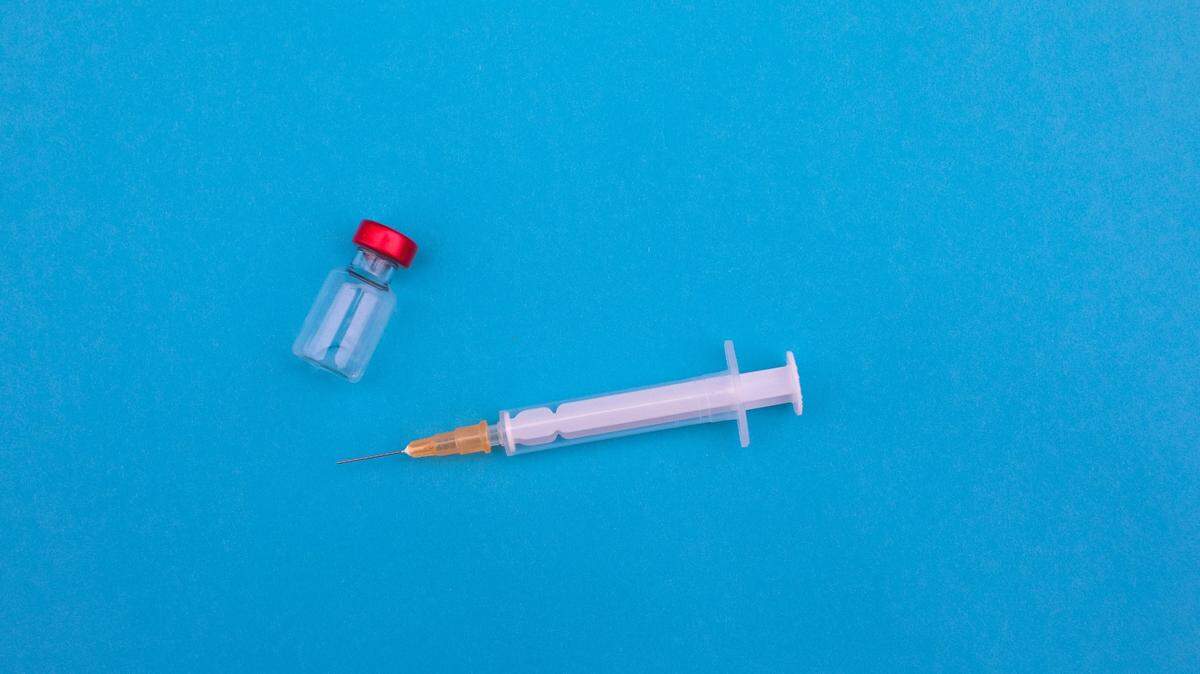
Advocates are warning that dangerous additives are in Lexington’s drug supply, according to testing on used syringes in the city.
The drugs are often mixed with opioids such as fentanyl to make the manufacturing of illicit drugs cheaper, while also making the drugs stronger.
But they can make already lethal drugs more deadly, too.
In Lexington, tests on syringes found residue of veterinary tranquilizers such as xylazine and medetomidine, plus synthetic opioid carfentanil and synthetic resin BTMPS.
All of those substances are known as drug adulterants, and they’ve been linked to overdoses, wounds and medical complications.
Voices of Hope, a Lexington recovery community organization, partnered with the University of Kentucky Harm Reduction Hub to test the used syringes.
The advisory, released Thursday morning, did not include the rate at which the drugs were detected or the number of syringes tested.
“Although this is the first large batch of syringes analyzed from Fayette County, and trends over time cannot yet be determined, the presence of these substances highlights significant risks,” the report reads.
What are the adulterants?
According to Kentucky’s drug fatality report, carfentanil, which cannot always be detected in strips that show potential drug adulterants, was found in 40 of the state’s 1,410 overdose deaths in 2024.
Xylazine, also known as “Tranq,” is associated with severe skin wounds and tissue damage. The drug was found in 60 fatal drug overdoses in Kentucky last year.
Medetomidine is linked to acute withdrawal symptoms. It was not connected to any drug overdose deaths in Kentucky last year.
BTMPS is a synthetic resin used in the manufacture of plastics. In animal studies, it has been associated with heart and lung damage and sudden death, according to the release.
Between June and December 2024, BTMPS all but three states detected BTMPS in its drug supply, according to the Department of Homeland Security.
The industrial additive has not been studied in humans, but has been tested in animals such as dogs. When the drug was injected into the dogs used for testing, 82% died.
Harm reduction officials say drug checking is a proven prevention tool that “provides real-time insight into the unregulated drug supply. The testing allows alerts to be shared with providers and people who use drugs.
“Drug checking saves lives,” said Jimmy Chadwell, president of Voices for Hope. “When people know what’s actually in their drugs, they can make safer decisions and connect with care sooner. This is how we protect both individuals and the broader community. When science and community come together, we can respond faster, reduce harm and save lives.”
Many community centers, like Voices of Hope, offer testing strips, as well as overdose reversal tools like Naloxone, known as Narcan.
This story was originally published October 16, 2025 at 12:34 PM.