
How the Lexington Opera House grew from a barn to a landmark theater
Editor’s Note: As Lexington celebrates the 250th anniversary of its founding, the Herald-Leader and kentucky.com each day throughout 2025 will share interesting facts about our hometown. Compiled by Liz Carey, all are notable moments in the city’s history — some funny, some sad, others heartbreaking or celebratory, and some just downright strange.
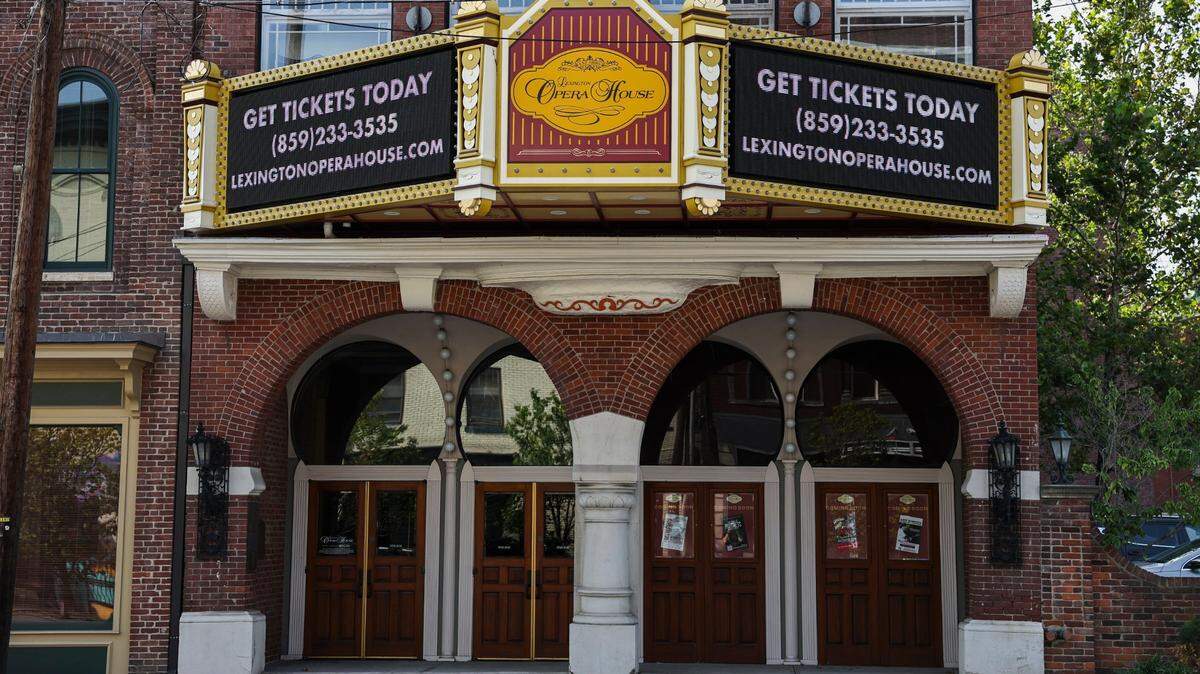
In its long history, the Lexington Opera House has taken several different forms — first as a theater in a barn, to the historic venue that exists today.
In the late 1800s, Lexington was a cultural hub because of its place on pioneers’ journeys to the American frontier, and the cultural presence of Transylvania University. The area around Broadway and Main streets in the mid-1800s was home to several theaters and burlesques.
One theater that opened in the 1850s, and came to be known as the Opera House.
While it was described as not much more than a barn, the theater attracted acts like Edwin Booth, Buffalo Bill Cody and General Tom Thumb. Those acts and others turned the theater into a major economic driver, pulling tourists to Lexington and adding money to the pockets of everyone from livery drivers to hoteliers.
But on the morning of Jan. 15, 1886, the building caught fire and burned to the ground in less than an hour.
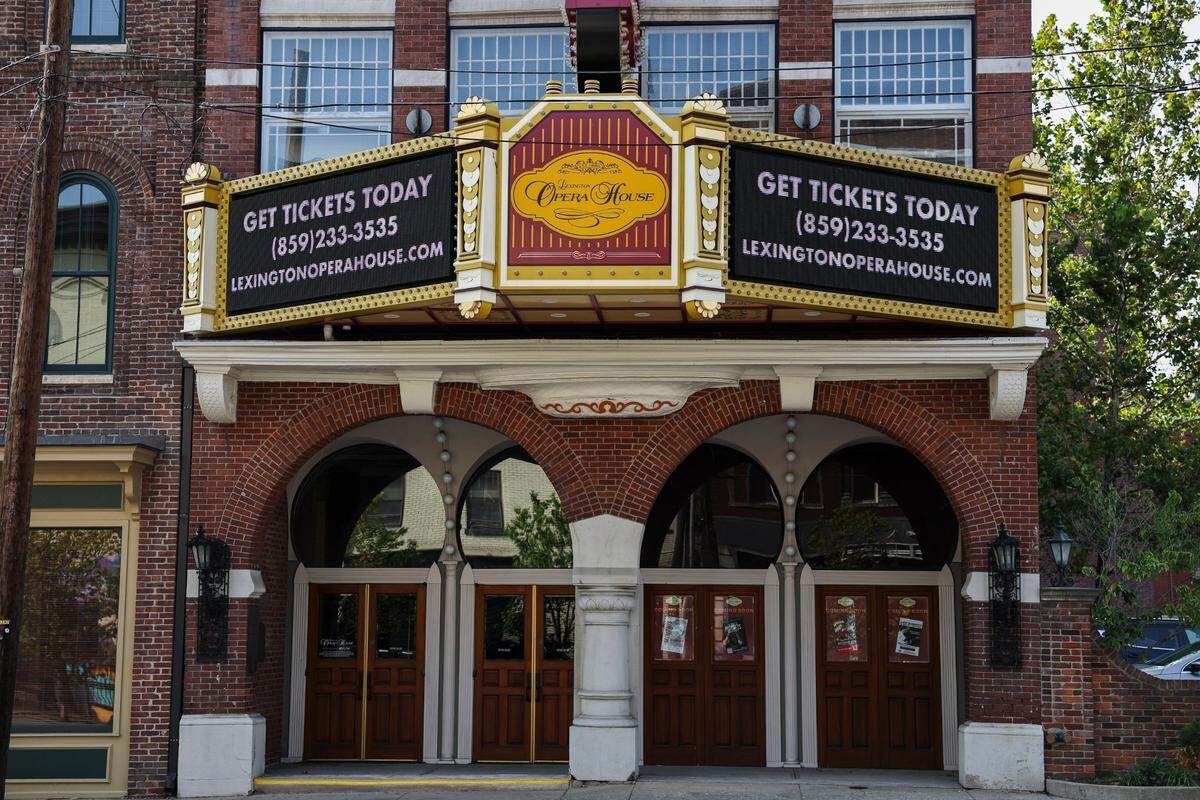
The new Lexington Opera House was constructed on the same site and officially reopened on July 19, 1887, with a concert by the Cincinnati Symphony. In August, it hosted its first production — “Our Angel” by the Lizzie Evans Stock Company. Over the years, the Opera House hosted a variety of famous acts including Al Jolson, W.C. Fields, Will Rogers, Harry Houdini, Lillian Russell, Sarah Bernhardt and many more.
Eventually, as times changed and audiences dwindled, the building was converted into a movie house with false ceilings, a segregated seating area and enclosed box seats. Its last live performance was “The Arabian” in 1926.
Over the course of the next few decades, the theater would also be used as a garage, a grocery store and finally, a space for third-run movies.
In 1968, a windstorm caused significant damage to the building’s false ceiling, raising concern about its demolition. When a second windstorm in 1973 caused the roof to collapse, local leaders stepped up to rescue the building. Private and public campaigns helped educate the public about the building’s history.
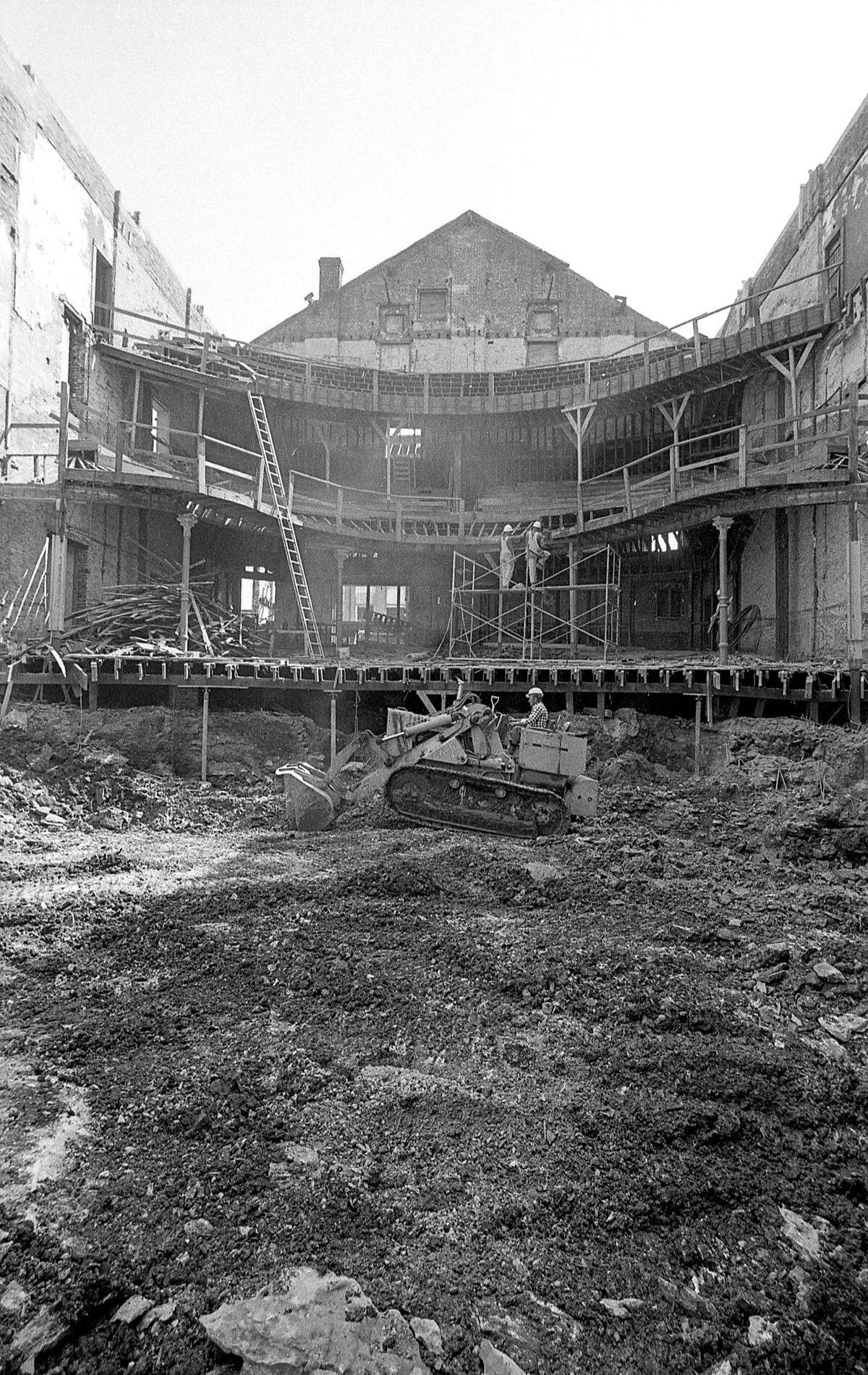
When building inspectors announced it would be cheaper to renovate it for about $2.5 million than to reconstruct the building (for about $7 million), the building was purchased by the city and renovation began with assistance from the Opera House Fund, Inc.
On May 7, 1976, the Opera House’s reopening featured a performance by the Lexington Philharmonic Orchestra and violin virtuoso Eugene Fodor. Tickets for the Benefit Premiere and Ball were $50, while tickets to the Fodor performance were $10.
Tickets to “Oklahoma” at the Opera House the following week were $8 for seats on levels 1 and 2, or $7.50 for level 3 — the balcony. For a performance by Lou Rawls on May 23, 1976, tickets were $7.50 and $6.50.
The Lexington Opera House remains one of the premiere performance spaces in the region and provides a wide variety of professional touring artists and plays, as well as performances by local arts groups. It is one of only 14 theaters built before 1900 that are still in operation as live performance spaces.
Have a question or story idea related to Lexington’s 250-year history? Let us know at 250LexKy@gmail.com.