
Lectures, rallies and fairs: Woodland Park has been part of Lexington since 1880s
Editor’s Note: As Lexington celebrates the 250th anniversary of its founding, the Herald-Leader and kentucky.com each day throughout 2025 will share interesting facts about our hometown. Compiled by Liz Carey, all are notable moments in the city’s history — some funny, some sad, others heartbreaking or celebratory, and some just downright strange.
Since the end of the 19th century, Woodland Park has been providing a place for Lexingtonians to gather.
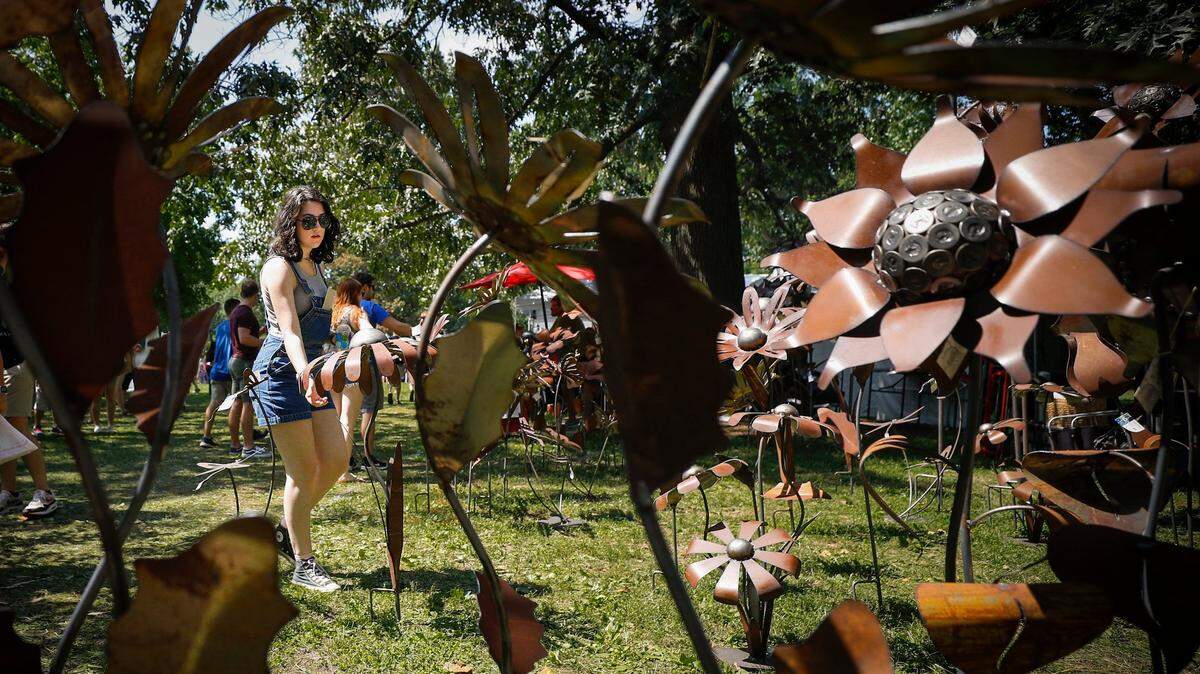
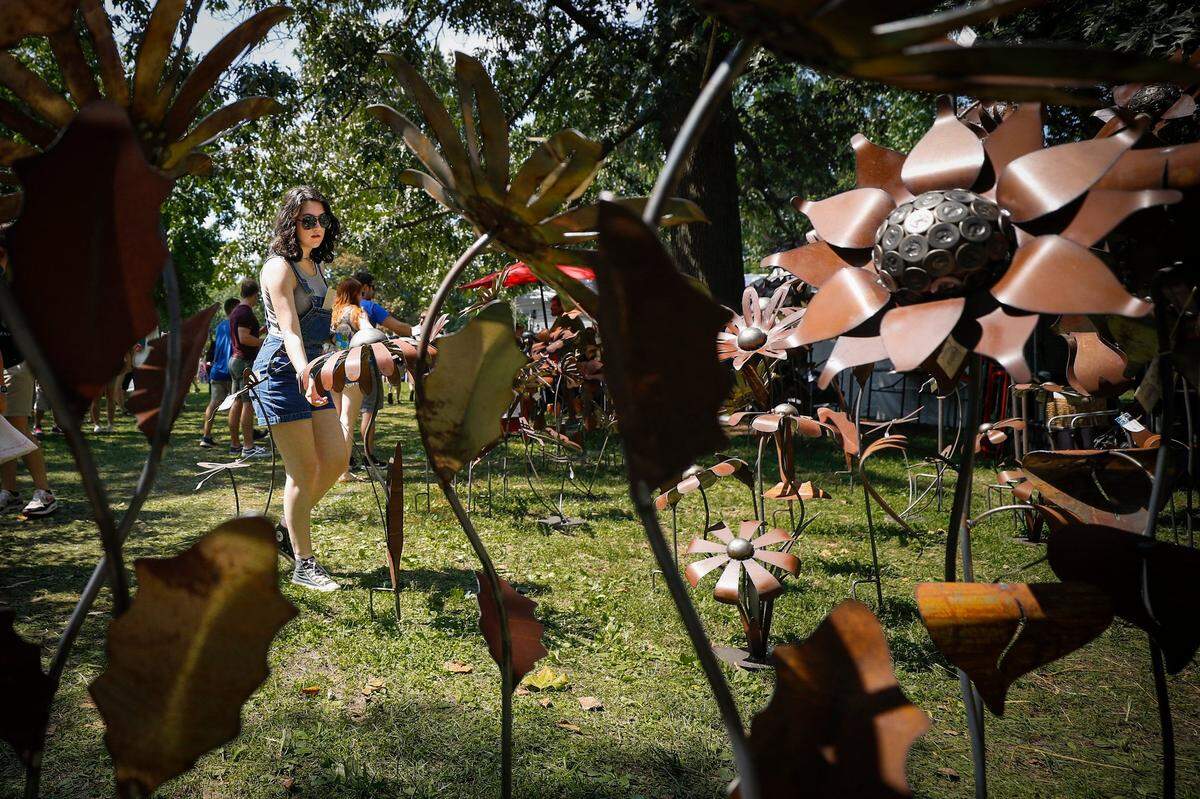
While most know Woodland Park as a quiet space for an arts fair, or as a place to play tennis, skate and swim, the park has been a part of downtown Lexington since before the Civil War.
Woodland Park started as part of the grounds of the home of Kentucky State Senator James Trotter’s “Woodland” farm. Trotter’s home featured octagonal towers on each corner, capped by bonnets with baroque finials, and in 1865 housed the agricultural school of Kentucky Agricultural and Mechanical College, which would later become the University of Kentucky.
In 1882, an advertisement in the Weekly Observer noted that around 100 lots were for sale in the “Woodlands” area running from Main to Hill streets, and along Woodland, Clay, Park, Ashland, Fayette, Central and Kentucky avenues.
At the end of Park Avenue was a 10-acre area set aside as a park — Woodland Park.
The Woodland Park Association noted in the ads that every house in the area would be a 10-minute train ride to downtown on Lexington City Railroad Company cars.
The park opened to the public in 1885, and the city took over the park 17 years later. With a grove of trees along the 222 buildings (mostly single-family homes and some businesses), the park became a gem in the city for sports and entertainment.
“Under the giant oaks scattered thickly about the grounds can be found ample shade, green grass makes a velvety carpet everywhere; walkways wind among the trees; fountains kissed by the sun blossom into rainbows, while flowers nestling in tastefully made beds fling their fragrance on the air,” Kentucky State Superintendent of Instruction W. L. Davidson said of the park, according to the Woodland Christian Church.
In time, it became the site of political rallies, performances, arts fairs, fireworks and lectures.
One notable use of the park was as the site for Chautauqua meetings. In the days before radio, education often came from public gatherings. In 1887, Woodland Park was the site of the Kentucky Chautauqua, where residents came to attend lectures on a number of subjects. The park was filled with tents for people to hear the lectures, as well as to stay in, and the trees in the park were lit with Chinese lanterns, news reports said.
“Thousands of our best citizens have attended the exercises, many of them attending day after day with increasing pleasure,” a story about the 1887 event in the Lexington Leader on May 1, 1888 said. “The tents are generally occupied by strangers who have come from some distance to spend the entire time of the assembly. The intellectual feature of the assembly is of the highest type of delightful recreative culture, while the social feature is charming in its purity, freshness and freedom from conventionalisms.”
By the next year, buildings had replaced tents and electricity had replaced lanterns. The Chautauqua organizers even invited President and Mrs. Grover Cleveland to visit while on their way to Cincinnati for the Fourth of July festivities. During the Chautauquas, Professor Ruric N. Roark, an advocate for public education, held lessons on language arts, arithmetic, history, civics and other subjects.
When the city took over the park in 1904, it created the Lexington Chautauqua. Later, when the state chartered the first Eastern Kentucky Normal School in Richmond in 1906, Roark was named its first president. That school eventually became Eastern Kentucky University.
The park was also home to boating and skating on Lake Chenosa, Women’s Christian Temperance Union (WTCU) conventions, theatrical and musical performances, political rallies and barbecues staged by Gus Jaubert, operator of the Magnolia Saloon on Mill Street.
In the 1950s, the park underwent significant changes, including replacing the recreational lake with baseball diamonds.
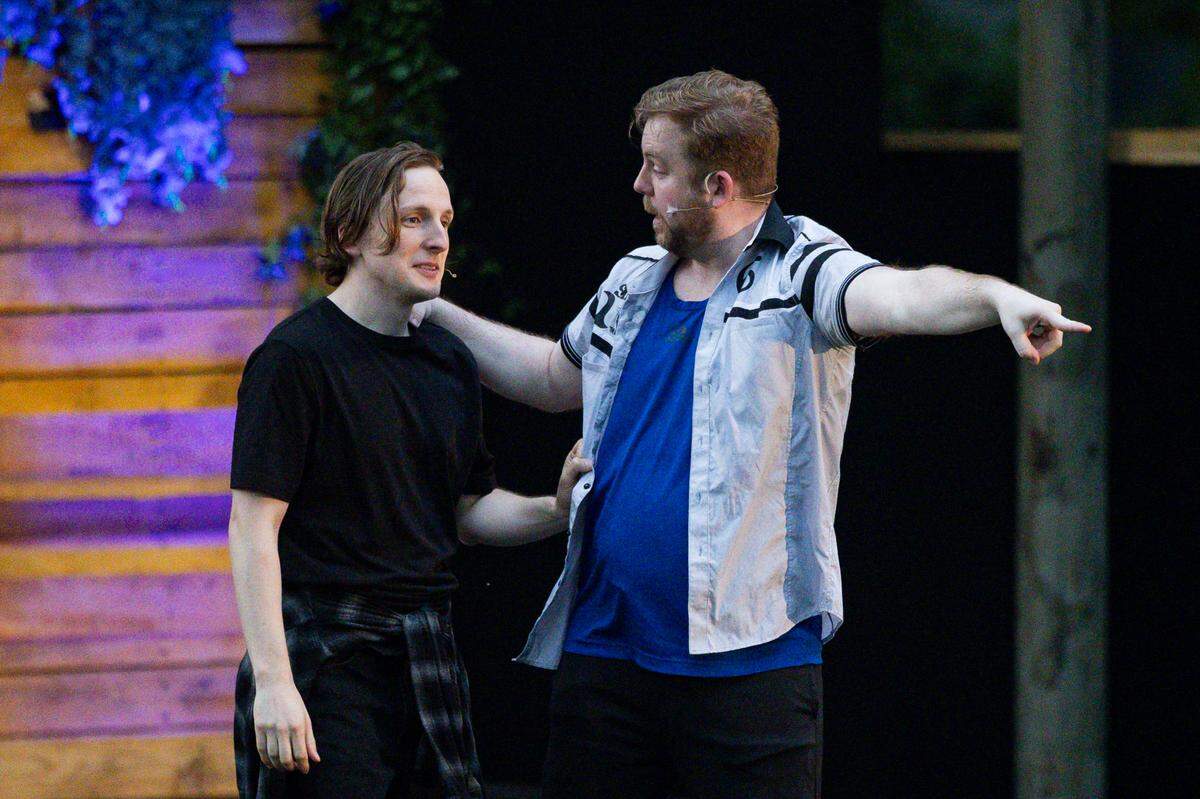
Since then, the park has become the location of the Woodland Arts Fair and Ballet Under the Stars, and features a pool, walking paths, playground equipment, tennis courts and an athletic field. A skateboard park joined the recreational opportunities at the park in 1999.
Have a question or story idea related to Lexington’s 250-year history? Let us know at 250LexKy@gmail.com.