Kentucky drug overdose deaths dropped 10% last year, outpacing the national rate
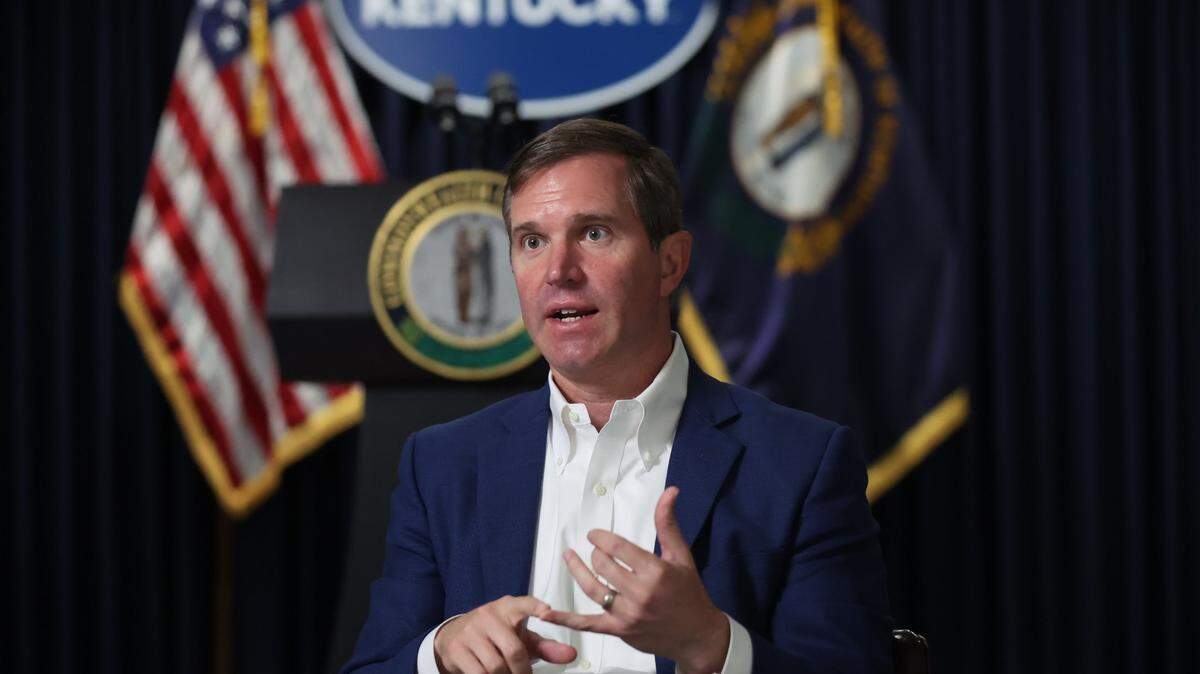
Kentucky’s rate of drug overdose deaths dropped by nearly 10% in 2023 compared to the year before, outpacing the national rate, according to the state’s Office of Drug Control Policy’s annual report released Thursday.
The report, which relies on data compiled by the Kentucky Injury and Prevention and Research Center, showed 1,984 Kentucky residents died of a drug-related overdose last year, compared to 2,135 deaths in 2022.
Records show 2022 was the first time the state’s rate of drug-related deaths declined — by 5% — year over year since 2018. The near-double digit reduction from 2022 to 2023 was the most significant drop since the state started tracking those deaths.
Gov. Andy Beshear on Thursday touted the state’s multi-pronged treatment and prevention approach as the reason for the decline. The report found that Kentucky has more than double the number of treatment beds compared to border states, at 70.34 per 100,000 people.
An East Tennessee State University study released in March found that Kentucky had the most treatment beds per capita of any state in the country.
“It is everything from better treatment and ability to pay no longer being a barrier to treatment. It’s more Narcan, it’s law enforcement, it’s second-chance employment coming out of a treatment facility and jail or prison, it’s more mental health services.
“I think it’s all those things working together,” Beshear said in a Thursday morning interview with the Herald-Leader.
In recent years, in addition to ramping up its number of treatment beds, the state has worked to make Narcan, or nalaxone, more available. The nasal spray, when administered to someone in the throes of an opioid overdose, immediately reverses the drug’s impact.
The state recently launched the website, findnalaxone.ky.gov, to inform people where they can find Narcan near them and how to administer it.
The state also oversees the KY HELP Call Center with help from Operation UNITE to support people struggling with substance use disorder and connect them to treatment. In 2023, nearly 4,000 calls were made to this hotline, said Van Ingram, executive director for the Office of Drug Control Policy.
Last year in Kentucky 160,000 doses of Narcan were distributed, and 35,918 people used at least one of the state’s 84 needle exchange program sites, Ingram said.
“While all of this is cause for celebration, we must take a moment to grieve those lost and, in their names, keep working harder and being diligent in our approach, so we save more Kentuckians and their families,” he said.
Though overall drug deaths dropped, the rate of Black Kentuckians who died from drugs continues to increase, albeit at a slower pace.
Deaths in that population increased by 5% (264 people), compared with 259 deaths in 2022. Per population, 52% more Black Kentuckians died of a drug overdose than White Kentuckians.
The proliferation of fentanyl, a fully-synthetic opioid lethal in small quantities, continues to kill the most people. Last year, it was prevalent in more than 79% of overdose deaths. Most of the people who died of an overdose were between the ages of 35 and 44.
Kentucky’s rate of decline outpaced even the national average.
Last month, preliminary figures from the Centers for Disease Control and Prevention showed 3% fewer people died from drugs between 2022 to 2023. Both the state and federal data signal a continued trend: the rate overdose deaths continues to decline after COVID-19, and fentanyl is still to blame for driving those deaths.
In May, Beshear said Kentucky’s Counterdrug Program seized 265,170 fentanyl pills and 208 pounds of fentanyl from October 2022 to September 2023.
Second to fentanyl, methamphetamine was present in 55% of drug-related deaths last year, and cocaine was present in roughly 22% of deaths.
This story will be updated.