
Lexington is stinky. The city set aside $8 million to fix it. But what’s been done?
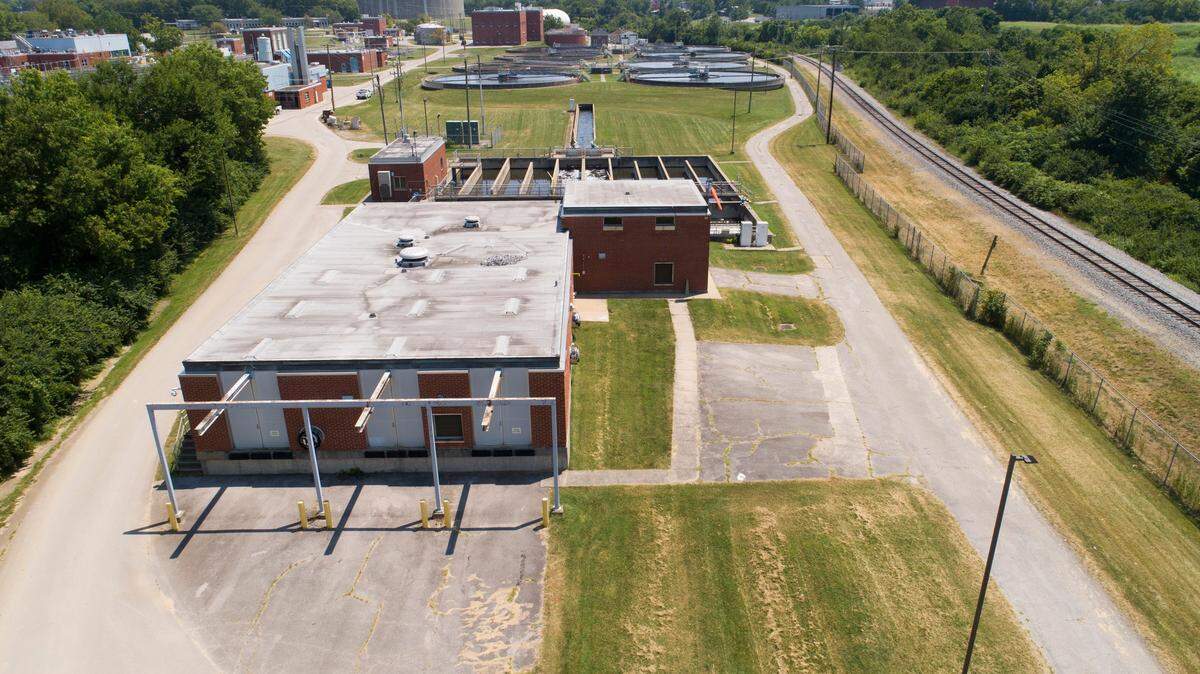
Parts of Lexington stink, literally.
Citizens who live near the city’s two waste water treatment plants, which treat Lexington’s sewage, have been complaining of a “rotten-egg” odor since late 2022. In response, the city created an “odor control plan” and set aside $8.1 million to make improvements, but it will still be months before mitigation is done.
“It is a difficult thing to try to be able to make sewage not smell bad,” said Charlie Martin, director of water quality.
Mayor Linda Gorton signed a $75,000 emergency contract in November 2023 with Webster Environmental Associates to identify where the odor came from. Webster recommended the city update its odor control equipment, and found that most of the odor problem could be traced back to four steps in the process across the two treatment sites.
Town Branch Waste Water Treatment Plant
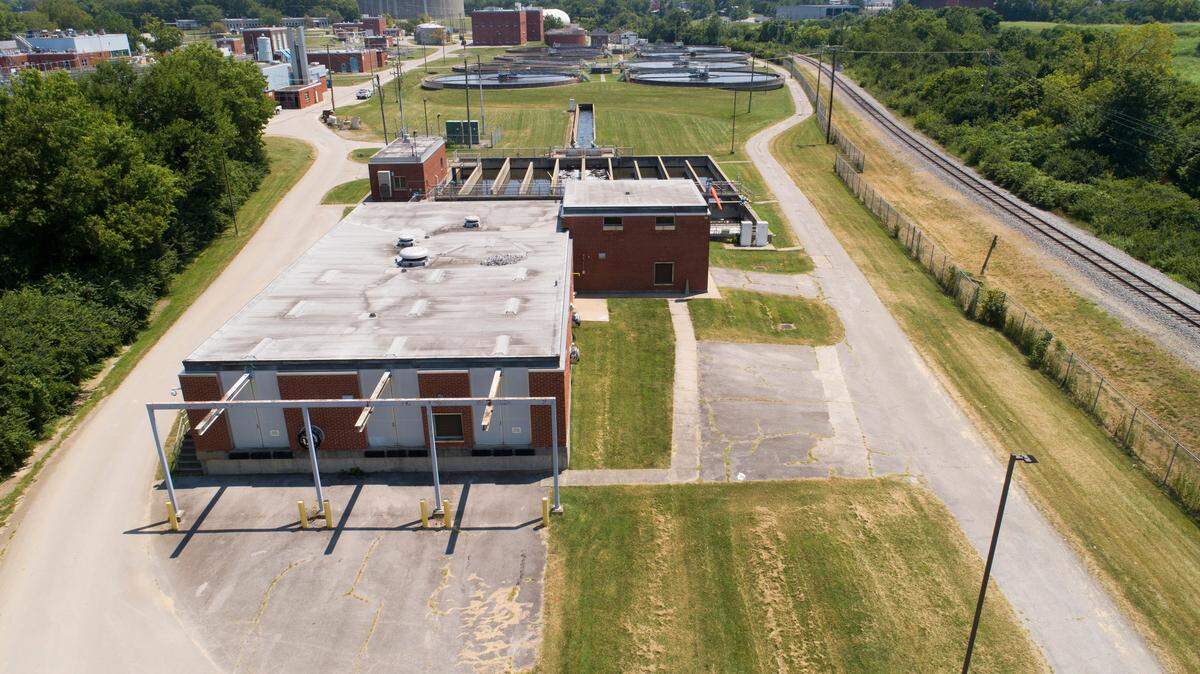
The odor from Town Branch Water Water Treatment Plant, in district 11, mainly comes from the primary clarifier banks, which separates solids and liquids through sedimentation, and the head works, which is the first step in the process of treatment that removes large debris from the water.
The city has used activated carbon in the headworks and clarifier banks to reduce odor, but Webster said that process needs to change.
“Webster sampling found that the concentration of odor causing pollutants are so great that activated carbon won’t last very long. Basically, it will extinguish its capacity and need to be replaced over and over again,” he said.
Rather than relying on activated charcoal to treat the air, the city will install a biological scrubber, which uses microorganisms to change odor compounds into odorless off-puts, to treat the air in the headworks and clarifier banks. After the air is treated with the scrubber, it will be passed through activated carbon as an extra precaution.
The city awarded a $1.6 million bid to W Principles, LLC, based in Winchester, in Dec. 2024 to install the new machines. Martin said he expects the work to be done by November.
West Hickman Waste Water Treatment Plant
The West Hickman Waste Water Treatment Plant is located just south of Lexington’s fourth district, in Jessamine County. Webster traced the odor issues there back to the aerated sludge holding tank, which stores biowaste, and the scrubber complex, which removes pollutants from the exhaust fumes to help with odor control.
New management at the West Hickman plant has already changed things up in the sludge holding tank, by adding air before loading them with waste.
“That air is providing oxygen and prevents the formation of odors more so than anything we’re doing chemically wise.” Martin said.
The plant also upgraded the chemical scrubber in the sludge holding tanks, which hadn’t been performing at peak efficiency because the chemicals used were not compatible with the scrubber. Martin said the maintenance at the water treatment plants has to be better.
He said people who live near the West Hickman plant have already said the odor issue is better – but not 100% fixed.
The city awarded Herrick Company a $1 million bid to install the updated carbon filters.
General system improvements
While Lexington only has two treatment plants, there are seven watersheds in Fayette County. The department uses pumps to move wastewater to the treatment facilities, but that means the sewage is traveling a large distance.
Martin said some sewage travels four miles to be treated.
“Those long distances create a lot of problems for us because the sewage is in those pipes and there’s no oxygen. When they come out, sometimes they smell really, really bad,” he said.
“What we’ve been looking at is chemically, how can we alter that outcome and provide some type of oxygen or something that prevents the formation of odor causing compounds like hydrogen sulfide?”
Martin said the city is fleshing out ideas on how to best stop the smell before the waste gets to the treatment plant by adding chemicals along the sewage transportation line to stop the creation of sulfides, which causes the rotten-egg smell.
Right now, the city is averaging about 183 parts per million of hydrogen sulfide in the water at any given time. Martin said the goal is 10 parts per million.
“The chemicals we’re feeding right now, it’s not working for us. This is a really, really important emphasis for me in 2025 is trying to figure out how to be able to utilize different chemicals,” he said.