Chevy Chase neighbors appeal Duke Road Clinic, want approval overturned
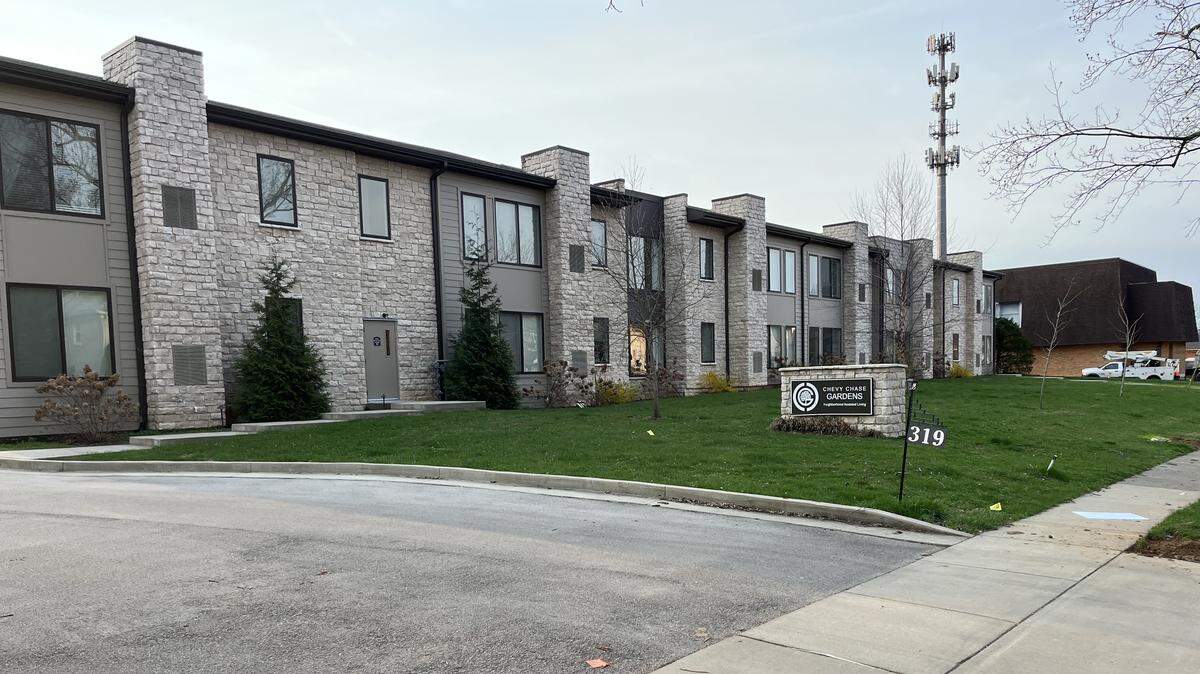
A month after Lexington’s Board of Adjustment voted 4-2 to approve a mental health clinic in Chevy Chase, two sets of neighbors have filed their own appeals with the Fayette County Circuit Court to overturn the decision.
Eight nearby property owners — Jacquelyn and Benton Campbell, Erin Cornett, Karl Gustafson, Whitney Lawson, Abigail McKay, Deborah Orr, Jonathan Pliszka, Robin Russell — and B&F Realty Company, which owns multiple properties on Duke Road, filed an appeal of the decision.
Separately, attorney Nathan Billings — who has been a central figure in the opposition to the clinic — and Bonnie and Roy Bachmeyer filed their own appeal. Both appeals were filed on May 12. The Bachmeyers own an apartment building immediately adjacent to the proposed clinic.
Judge Julie Goodman, who faced a controversial impeachment trial during this year’s legislative session, will preside over both cases.
Real estate company ZLD Partners and Roaring Brook, a mental health and substance abuse treatment provider, sought approval for a conditional use permit from the Board of Adjustment to operate an in-patient mental health clinic at 319 Duke Road. The clinic would treat patients suffering from a mental health crisis, with several beds reserved specifically for patients with eating disorders.
The proposal was an immediate controversy. A website, now taken down, and an online ad declared “Chevy Chase Deserves Better.” Hundreds of residents showed up to the contentious April 13 board meeting to voice their opposition to the proposal, citing fears that patients at the clinic would pose a safety threat to the neighborhood’s residences and nearby schools.
Board of Adjustment member Ross Boggess told the Herald-Leader he was consistently harassed in person and online after voting to support the project.
Representatives from ZLD Partners and Roaring Brook have assured neighbors that patients treated at the clinic will be psychologically stable and will be under regular supervision, posing no harm to the surrounding area.
The plaintiffs in the first appeal featuring B&F Realty allege, in addition to safety concerns, the board’s approval of the clinic violated local zoning laws.
The plaintiffs argue Lexington’s zoning code does not allow rehabilitation homes — the classification of treatment center the Duke Road clinic falls under — to be operated within 500 feet of any other type of building in an R-3 zone. The Duke Road clinic, and much of the Chevy Chase neighborhood, are zoned R-3.
However, staff with the city’s division of planning rebutted that argument in the April 13 meeting. Staff said the 500-feet buffer only applies to other rehabilitation homes zoned R-3 rather than applying to all other R-3 uses, including standard homes.
Both appeals also cite several failures of the board with regard to how they conducted the April 13 meeting, including granting more speaking time to Roaring Brook’s attorneys than Chevy Chase’s attorneys and not having a public deliberation amongst board members before voting on the permit.
Matthew Douglas of ZLD Partners told the Herald-Leader, “We respect the public process and the right of any party to pursue the procedural options available to them.”
“Our position has not changed,” he said. “We remain committed to moving forward responsibly and in accordance with the conditions placed on the project in response to community comments and concerns raised before and during the hearing. Those conditions include continued community engagement, operational safeguards, and accountability through applicable local, state, and federal requirements.”
ZLD Partners and Roaring Brook voluntarily proposed 33 conditions to the Board of Adjustment the companies would be required to folow. Many of those center on security measures and admission criteria for patients.
Most of those conditions are not zoning related, and therefore are not enforceable by the board or city planning staff, both appeals argue.
The board also did not specifically cite those conditions in its motion to approve the permit, meaning it’s unclear what conditions, if any, apply to the property, the appeals further state.
This story was originally published May 13, 2026 at 5:46 PM.