
TB case confirmed in Northern Kentucky. Here’s who’s at risk, how to stay safe
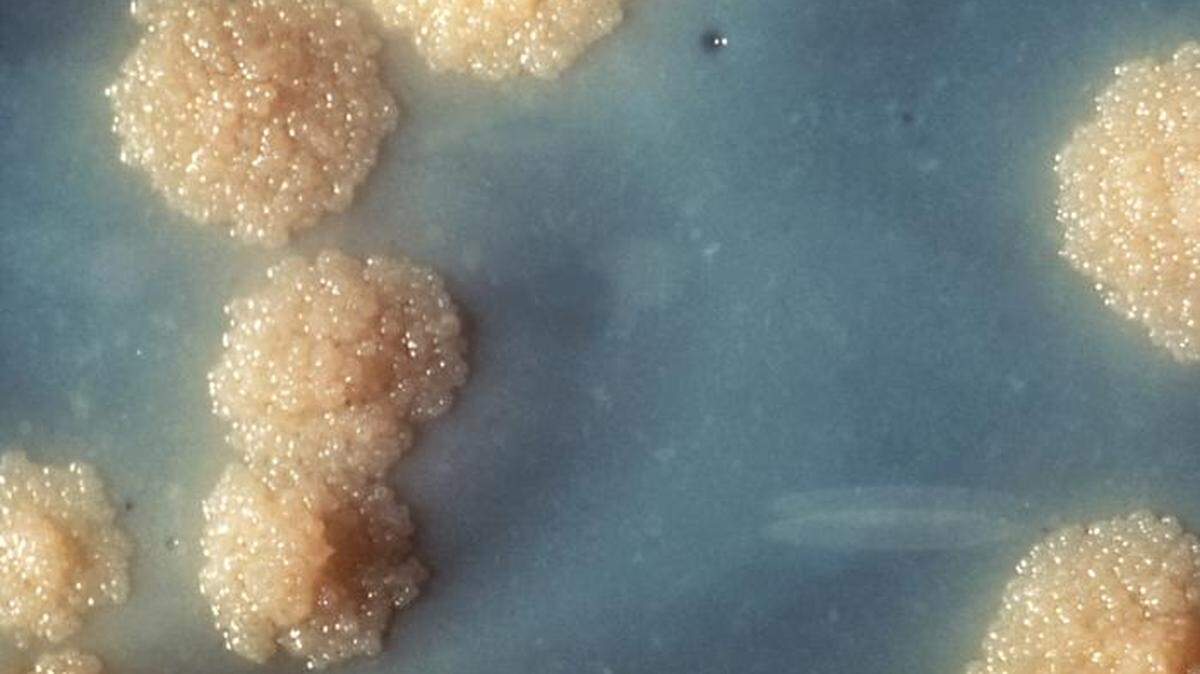
A case of tuberculosis confirmed in Erlanger, about 75 miles north of Lexington, on June 2 was traced to Lloyd Memorial High School.
The Northern Kentucky Health Department said they are in the process of contacting people who could have been exposed to the infected person. It cannot be confirmed whether the infected person is a student or staff member at the school.
Free testing for those deemed to be in close contact with the infected person will be held on June 13, 15 and 16.
Kentucky confirmed 93 TB cases in 2024, according to Dr. Lori Caloia, deputy commissioner for clinical affairs at the Kentucky Department for Public Health. Data has not been finalized for 2025.
Who is at risk?
In the event of a TB case, Caloia said the goal of the local health department is to identify those in close contact with the infected person. She said this typically includes family members living in enclosed spaces with the patient and individuals that may be in frequent, prolonged contact with the patient.
“I would say, in general, the risk to the general public relating to tuberculosis is typically very low,” Caloia said. “It’s one of those things that you hear and you’re like, ‘Oh my gosh, TB, it sounds really scary,’ but it’s not something where you walk by someone, they sneeze and you’re going to catch TB.”
What is tuberculosis?
TB is an infectious disease caused by Mycobacterium tuberculosis (MT). An airborne disease, TB is spread when an infected person coughs or speaks, the TB germs are released into the air, and other people inhale those germs.
The bacteria has survived over 70,000 years, according to the National Institute of Health, and has been a “permanent challenge” throughout human history.
There are two types of tuberculosis: active and inactive.
- Active tuberculous, referred to as TB, is what causes people to feel sick, because their body cannot keep the TB germs from multiplying. TB is highly contagious, and while it can be fatal, it can be treated and cured.
- Inactive TB does not make infected people feel sick, nor is it contagious. Patients with inactive TB typically draw positive blood or skin tests for the infection. TB germs can live in the body for years with no symptoms, but without treatment, inactive TB can develop into active TB at any time.
Symptoms and treatment of TB
TB germs can grow in numerous parts of the body, but typically grow in the lungs, according to the CDC. TB in the lungs can cause chest pain, a bad cough for 3 weeks or longer, or coughing up blood or phlegm from deep in the lungs.
More broad symptoms include chills, fever, night sweats, weight loss, fatigue or loss of appetite. TB can grow in part of the body other than lungs causing more poignant symptoms depending on the infected area.
Symptoms of TB in other parts of the body:
- Lymph nodes: firm red or purple swelling under the skin
- Kidney: blood in urine
- Brain: headache or confusion
- Spine: back pain
- Larynx: hoarseness
TB is treated by isolating the infected individual and taking four different antibiotics, Caloia said. On average, it takes approximately two weeks of treatment to no longer be contagious, but treatment timelines vary case by case.
Taking proper precautions
Certain individuals are at a higher risk for contracting TB than others, including young children, Caloia said. Individuals with compromised immune conditions are deemed as high risk.
Some immune compromising conditions include:
- Diabetes
- HIV or AIDS
- Taking medications that weaken the immune system
- Severe kidney disease
- Substance use
If an individual thinks they may have symptoms of TB or you have been in contact with someone who tested positive for TB, it is advised to contact a primary care doctor to set up testing as soon as possible.
“Let them (a primary care provider) know what is going on, because it may be TB, probably not, but it could also be something else that they should not be ignoring,” Caloia said. “Primary care is able to do TB screening and have that conversation, and assess the risk as well.”