Lexington has seen 40% drop in short-term rentals since regulations kicked in
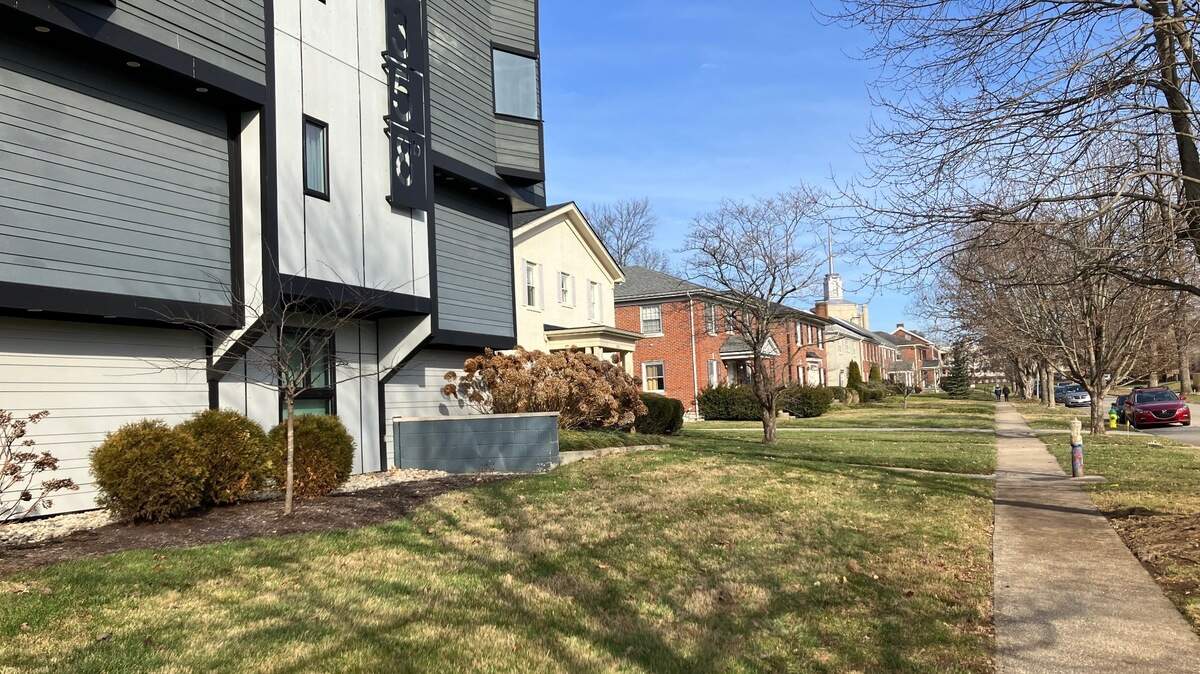
Since 2023, the Lexington Urban County Council has adopted and revised regulations for short-term rentals such as Airbnb and Vrbo to prevent them from oversaturating neighborhoods — especially downtown- and campus-area neighborhoods tourists prefer to visit.
When the city began tracking short-term rentals in January 2024, there were 1,290 rentals listed online, based on figures presented to the council’s general government and planning committee on July 1. There are now 787 units, a decrease of roughly 40%.
The council first adopted looser regulations in 2023, requiring operators to pay a license fee for each short-term rental they list. Failure to pay the license renewal fee means the license is terminated, and the owner must reapply for a new license.
In 2024, those regulations were tightened to prevent unhosted rentals — those where the unit owner does not live on the property — from taking over neighborhoods whose residents voiced widespread anger at the short-term rentals next door.
But operators, and even Airbnb itself, have long been critical of the regulations. Several bills have even been brought up in the state legislature in recent years that would overrule many of Lexington’s stricter regulations, although none has ever been fully passed.
Owners have to seek conditional use permit from the Board of Adjustment to run an unhosted short-term rental. Unhosted units in residential zones are not allowed within 600 feet of another unhosted unit, and if 2% of houses within 1,000 feet of a proposed unhosted rental are currently unhosted units, the new application will be denied. Exceptions are provided for units adjacent to commercially zoned properties.
Since January 2024, the city has issued $78,125 worth of fines to 61 noncompliant rental operators. Of those, 52 citations are for owners who did not acquire a license and the others are for owners who have received nuisance complaints.
But the city has collected only $19,000 in fines from the total issued.
When asked how the city is planning to collect the outstanding $59,125 in unpaid fines, the city’s director of revenue, Wes Holbrook, said those properties face punishments for their unpaid bills.
Properties with outstanding citations are unable to renew or obtain a license for units until they pay the fines. In some cases, the city is able to put liens on noncompliant properties. Four properties currently have liens on them, with one lien totaling $22,000, Holbrook said.
Lexington has both a webpage and 24/7 hotline for neighbors to file complaints against operators. Since July 2025, the city has received 17 valid complaints and 51 invalid complaints. Most valid complaints were labeled as “general inquires,” while others centered on noise or parking violations and reporting unlicensed rentals.